

 English
 China
China Thailand
 Malaysia
 Vietnam
 Laos
Laos Cambodia
 Pilipinas
 Indonesia
 Russian
 Portuguese
 Arabic
 Japanese
 Spanish
 Italian
 French
 German
News
- Home
- News
- Company News
Gabions, a term derived from the Italian word 'gabbione' meaning 'big cage', have been used for centuries as an effective solution for soil erosion control and in the construction of retaining walls. This ancient technique, which involves filling wire mesh cages with stones or other materials, has evolved over time to meet modern engineering standards while maintaining its simplicity and effectiveness. In this report, we will explore how gabions play a crucial role in creating both durable and aesthetically pleasing retaining walls, highlighting their versatility, sustainability, and cost-effectiveness.
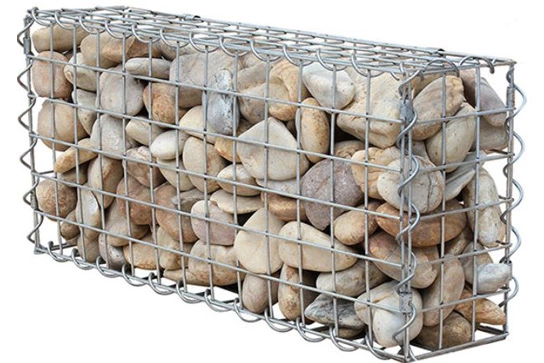
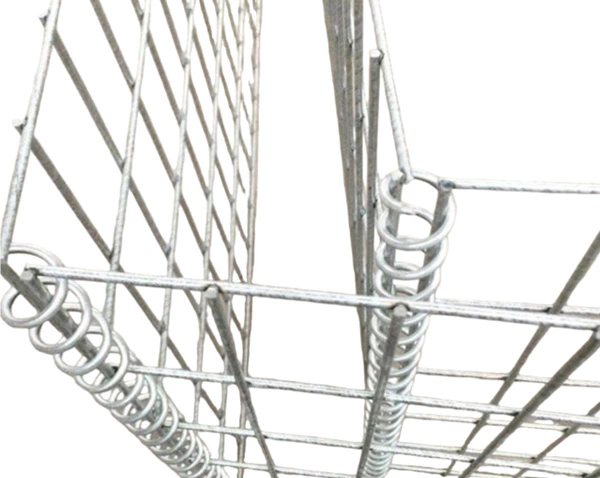
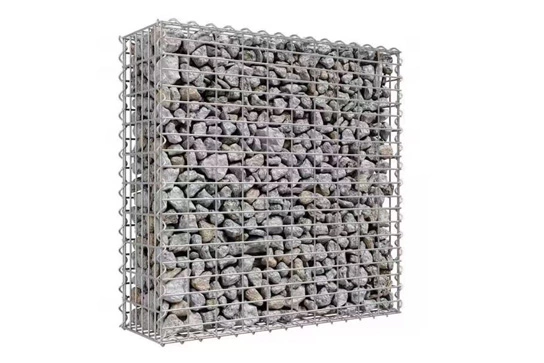
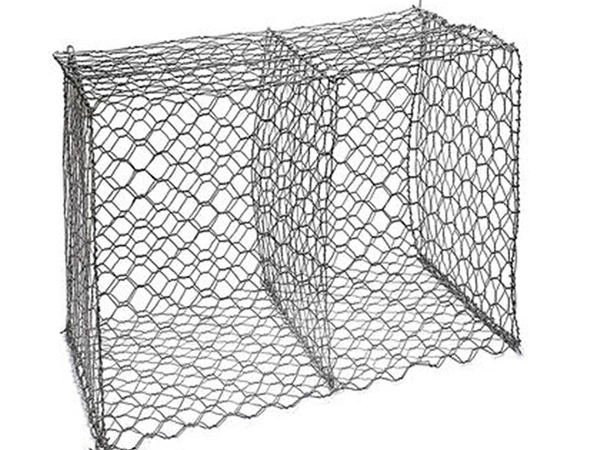
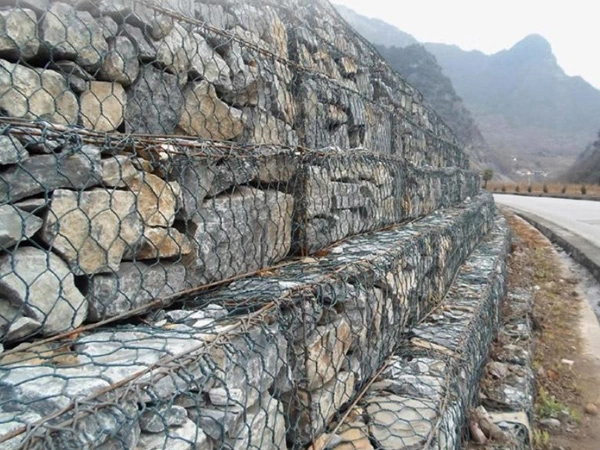
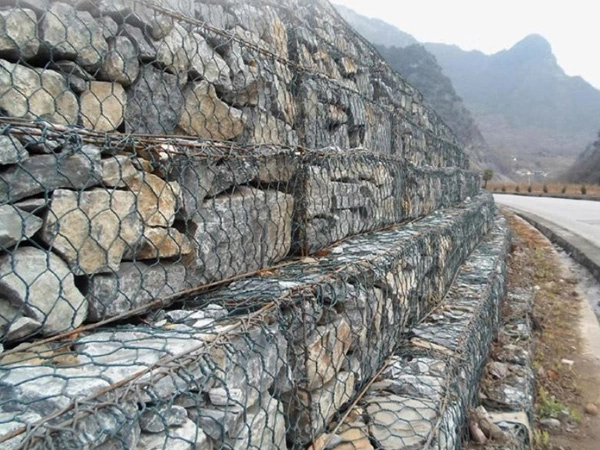
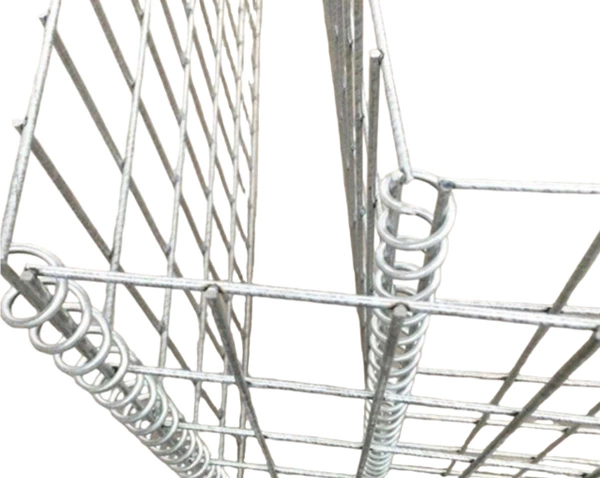
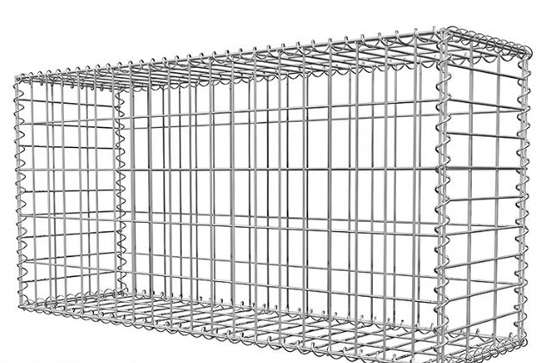
The fundamental concept behind Gabion Structures is straightforward: they consist of wire baskets filled with rock, rubble, or other suitable material. These baskets are then stacked together to form a wall. The wire used in constructing these baskets is typically galvanized steel, coated with PVC, or made from stainless steel, depending on the environmental conditions and expected lifespan of the project. One key advantage of using gabions for retaining walls is their ability to adapt to ground movements without compromising structural integrity, making them ideal for areas prone to seismic activity or where soil conditions are unstable.
Another critical aspect of gabion design is the choice of filler material. While rocks are the most common, recycled concrete, bricks, and even glass can be utilized, offering a sustainable way to repurpose waste materials. The size and shape of the filler should be carefully selected to ensure proper interlocking within the basket, enhancing the overall stability of the structure. Proper drainage is also essential; therefore, gaps between the stones allow water to pass through, reducing pressure on the wall and preventing potential damage due to water buildup.
One of the standout features of gabions is their inherent flexibility, which contributes significantly to their durability. Unlike rigid concrete or masonry walls, gabions can deform slightly under load without failing, allowing them to absorb and distribute forces more evenly. This characteristic makes them particularly well-suited for applications where the foundation may shift or settle over time, such as along riverbanks, coastal areas, or in regions with expansive soils. By accommodating small movements, gabions help prevent cracks and failures that might occur in more rigid structures, thereby extending the service life of the retaining wall.
Moreover, the use of high-quality, corrosion-resistant wire ensures that gabion structures remain robust against environmental factors like saltwater exposure, acidic soils, or extreme weather conditions. Regular maintenance, although minimal compared to traditional walls, involves checking for any signs of wear or damage to the wire mesh and replacing broken sections if necessary. This proactive approach further enhances the longevity of gabion retaining walls, making them a reliable choice for long-term projects.
Beyond their functional benefits, gabions offer a unique aesthetic appeal that can complement various architectural styles and natural settings. The visible stone or rock fill creates a rustic, natural look that blends seamlessly with the surrounding environment, whether it's a residential garden, public park, or commercial development. Additionally, the color and texture of the stones can be customized to match specific design requirements, allowing for creative expression and personalization. For instance, using locally sourced materials not only reduces transportation costs but also strengthens the connection between the built environment and its context.
Incorporating vegetation into gabion designs further enhances their visual impact and ecological value. Plants can be grown directly through the gaps in the wire mesh, softening the appearance of the wall and providing additional habitat for wildlife. This green approach not only improves the aesthetic quality of the space but also contributes to biodiversity and helps manage stormwater by increasing permeable surfaces. Thus, gabions serve not just as functional elements but as integral components of sustainable landscape architecture.
When considering the total lifecycle cost, gabions often prove to be a cost-effective solution for retaining walls. Initial installation costs may vary depending on the project size and location; however, the low maintenance requirements and extended lifespan of gabion structures can lead to significant savings over time. Furthermore, the use of locally available or recycled materials reduces transportation expenses and minimizes the carbon footprint associated with construction. This eco-friendly approach aligns with growing trends towards sustainable building practices, making gabions an attractive option for environmentally conscious developers and homeowners alike.
From an environmental perspective, gabions contribute positively by promoting water infiltration and reducing runoff. Their permeable nature allows rainwater to percolate through the wall, replenishing groundwater supplies and mitigating the risk of flooding. Additionally, when integrated with green infrastructure, such as rain gardens or bioswales, gabion walls can become part of a larger strategy for managing urban water resources sustainably. As cities continue to face challenges related to climate change and rapid urbanization, innovative solutions like gabions play a vital role in creating resilient and livable environments.
In conclusion, gabions represent a versatile, durable, and aesthetically pleasing solution for constructing retaining walls. Their flexible design, ability to integrate with natural landscapes, and cost-effectiveness make them an excellent choice for a wide range of applications. Moreover, their contribution to environmental sustainability underscores the importance of adopting such technologies in contemporary construction practices. As the demand for resilient and sustainable infrastructure continues to grow, gabions will undoubtedly remain a valuable tool in the engineer’s toolkit, bridging the gap between functionality and beauty in the built environment.

Leave a Reply