

 English
 China
China Thailand
 Malaysia
 Vietnam
 Laos
Laos Cambodia
 Pilipinas
 Indonesia
 Russian
 Portuguese
 Arabic
 Japanese
 Spanish
 Italian
 French
 German
News
- Home
- News
- Company News
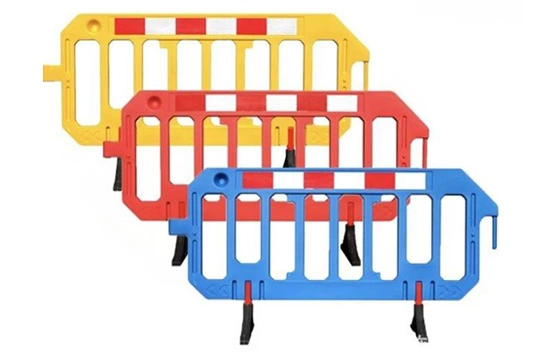
In the intricate tapestry of urban development, traffic control barriers play a pivotal role in shaping not only the flow of vehicles but also the overall efficiency and safety of city planning. This document aims to explore the multifaceted impact of traffic control barriers on city planning, focusing on how these elements contribute to creating more livable, efficient, and sustainable urban environments.
The strategic placement of traffic control barriers is fundamental to optimizing traffic flow within an urban setting. By carefully analyzing traffic patterns, planners can identify critical points where the introduction or adjustment of barriers can significantly reduce congestion. For instance, during peak hours, the use of dynamic barriers that can be adjusted based on real-time traffic data helps in distributing the load across different routes, thereby minimizing delays. Moreover, this approach supports the broader goal of improving air quality by reducing the time vehicles spend idling, which is particularly beneficial in densely populated areas prone to high levels of pollution.
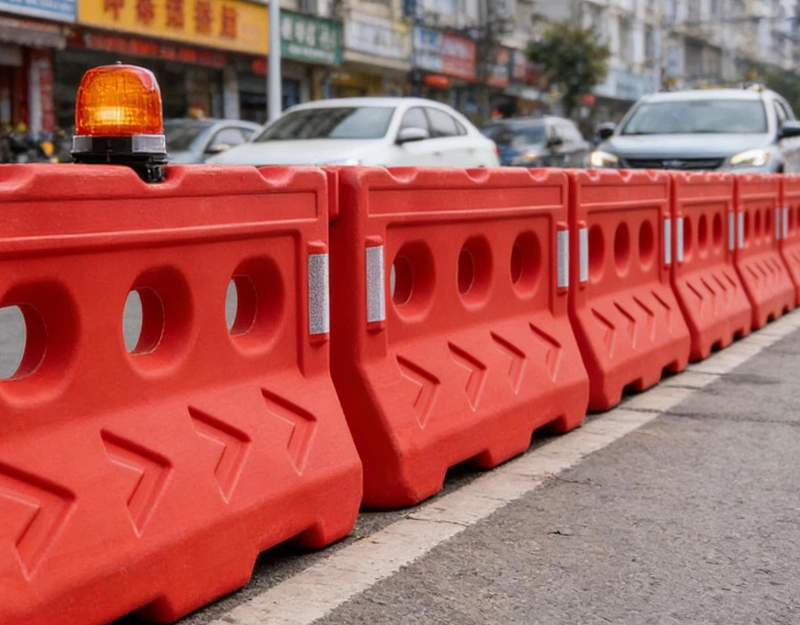
Safety is another key area where traffic control barriers make a significant contribution. The design and implementation of these barriers are tailored to prevent accidents, protect pedestrians, and create a safer environment for all road users. In particular, the installation of barriers at intersections, pedestrian crossings, and school zones has been shown to dramatically decrease the incidence of collisions. Additionally, modern barriers often incorporate advanced materials and technologies, such as reflective surfaces and sensors, which enhance visibility and responsiveness, further contributing to overall road safety.
Integrating traffic control barriers into urban planning strategies is also crucial for supporting sustainable development. These barriers can be used to promote the use of public transportation by reserving lanes for buses and other forms of mass transit, thereby encouraging a shift away from private vehicle usage. Furthermore, the creation of dedicated bicycle lanes, protected by barriers, fosters a more inclusive and environmentally friendly mode of transportation. Such initiatives not only help in reducing carbon emissions but also contribute to the physical and mental well-being of residents by promoting active modes of travel.
Effective traffic control is essential during emergencies and disaster scenarios. Traffic control barriers can be quickly deployed or reconfigured to facilitate the rapid movement of emergency vehicles, ensuring that first responders can reach affected areas without delay. In addition, these barriers can be used to manage evacuation routes, directing people to safe locations and preventing gridlock. The ability to adapt and respond swiftly to changing conditions is a critical feature of modern traffic management systems, and barriers play a vital role in achieving this flexibility.
Creating pedestrian-friendly urban spaces is increasingly recognized as a key component of successful city planning. Traffic control barriers are instrumental in achieving this goal by clearly delineating areas reserved for walking, thus protecting pedestrians from vehicular traffic. This separation enhances the overall experience of moving through the city, making it more enjoyable and accessible for everyone. Moreover, well-designed barriers can also serve as aesthetic elements, contributing to the visual appeal of the urban landscape and fostering a sense of community.
In conclusion, the impact of traffic control barriers on city planning extends far beyond mere traffic management. These elements are integral to creating safer, more efficient, and sustainable urban environments. By strategically incorporating traffic control barriers, cities can address a wide range of challenges, from reducing congestion and improving safety to promoting sustainable modes of transportation and enhancing the overall quality of life for their residents. As urban populations continue to grow, the importance of thoughtful and innovative approaches to traffic control will only increase, making these barriers an indispensable tool in the planner's toolkit.





Leave a Reply