

 English
 China
China Thailand
 Malaysia
 Vietnam
 Laos
Laos Cambodia
 Pilipinas
 Indonesia
 Russian
 Portuguese
 Arabic
 Japanese
 Spanish
 Italian
 French
 German
News
- Home
- News
- Company News
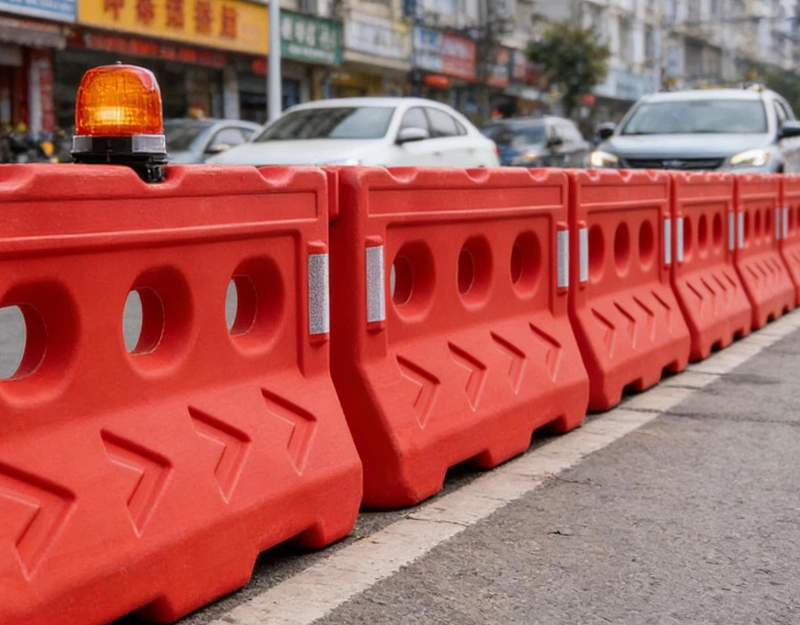
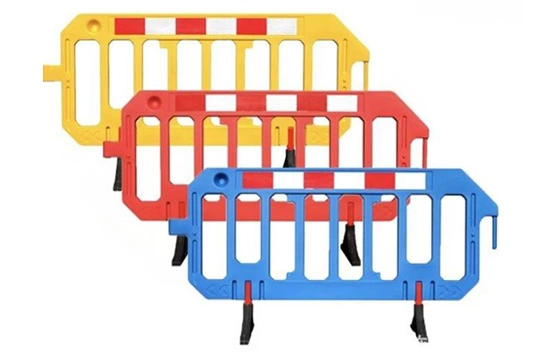
In the ever-evolving landscape of urban development, the effective management of vehicular and pedestrian traffic has become a critical concern for city planners and administrators. One of the key tools in this arsenal is the traffic control barrier, which plays an indispensable role in ensuring safety, maintaining order, and optimizing the flow of traffic. This report delves into the complexities and challenges associated with implementing traffic control barriers in busy cities, offering insights and solutions to navigate these hurdles.
Urban areas are characterized by high population densities, diverse modes of transportation, and complex road networks. In such environments, traffic control barriers serve multiple purposes. They not only help in managing the flow of vehicles but also play a crucial role in ensuring the safety of pedestrians and other road users. By delineating lanes, controlling access, and providing clear guidance, these barriers contribute significantly to the overall efficiency and safety of the urban transportation system.
Despite their benefits, the implementation of traffic control barriers in busy cities is fraught with several challenges. These include:
To overcome the challenges associated with implementing traffic control barriers, several strategies can be employed:
Several cities around the world have successfully implemented traffic control barriers to improve traffic management and safety. For example, in New York City, the installation of bollards and barriers in Times Square has significantly reduced pedestrian-vehicle conflicts and improved the overall safety of the area. Similarly, in London, the use of smart barriers integrated with traffic management systems has helped optimize traffic flow and reduce congestion.
These case studies highlight the importance of tailored solutions, stakeholder engagement, and the integration of advanced technologies in the successful implementation of traffic control barriers.
The future of traffic control barriers in urban areas is likely to be shaped by emerging trends and innovations. Some of these include:
The implementation of traffic control barriers in busy cities is a multifaceted challenge that requires careful planning, stakeholder engagement, and the adoption of innovative technologies. By addressing the key challenges and embracing best practices, city planners and administrators can effectively leverage traffic control barriers to create safer, more efficient, and more livable urban environments. As urban areas continue to grow and evolve, the role of traffic control barriers will remain vital in shaping the future of urban mobility and safety.





Leave a Reply