

 English
 China
China Thailand
 Malaysia
 Vietnam
 Laos
Laos Cambodia
 Pilipinas
 Indonesia
 Russian
 Portuguese
 Arabic
 Japanese
 Spanish
 Italian
 French
 German
News
- Home
- News
- Company News
In the realm of highway safety and traffic management, selecting an appropriate traffic control barrier is a critical decision that can significantly impact the efficiency and safety of roadways. This report aims to guide stakeholders through key considerations when choosing such barriers, emphasizing on their role in enhancing both driver and pedestrian safety.
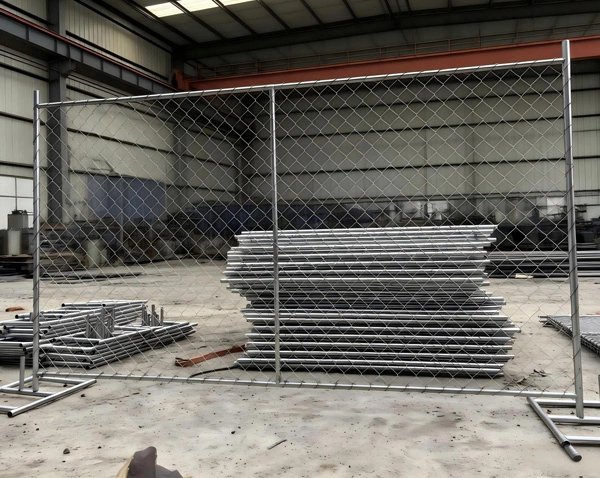
Traffic control barriers play a pivotal role in managing vehicle flow and protecting vulnerable road users. They serve multiple purposes, from delineating lanes and guiding drivers to providing physical separation between opposing traffic flows or shielding work zones. The selection process should begin with a clear understanding of these roles and how different types of barriers contribute to overall highway safety. For instance, temporary barriers are often used during construction or maintenance activities, while permanent ones are designed for long-term use in areas where consistent traffic control measures are required. Understanding this distinction is crucial for making informed decisions about which type of traffic control barrier best suits specific needs.
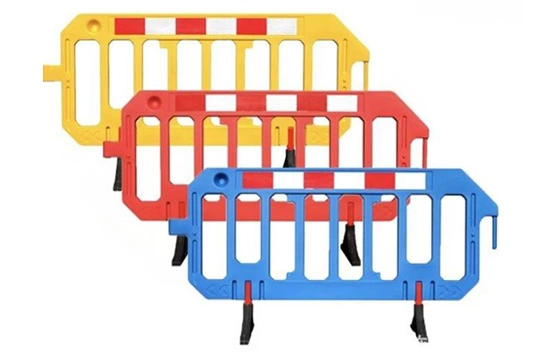
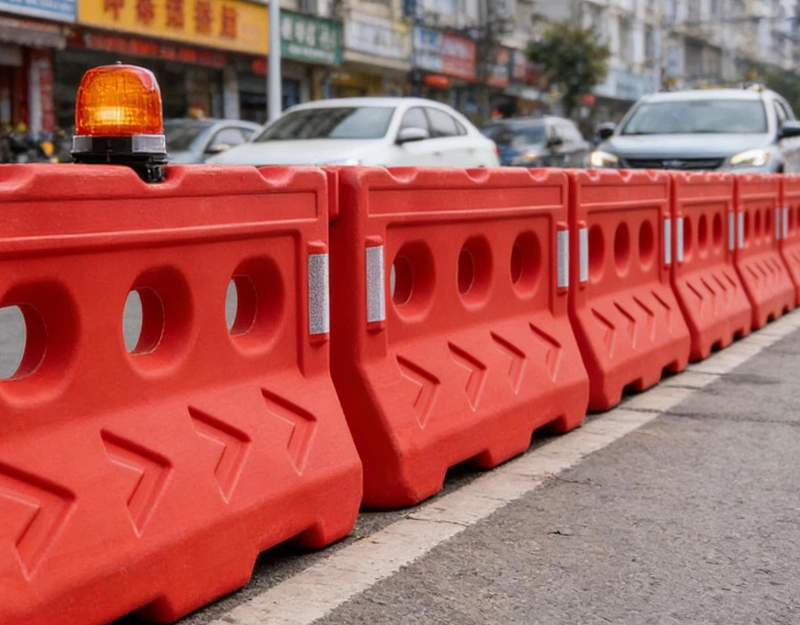
The material composition and design of a traffic control barrier directly influence its effectiveness and durability. Common materials include steel, concrete, and plastic, each offering unique advantages and drawbacks. Steel barriers, for example, are highly durable and effective at redirecting vehicles but may pose greater risks in terms of injury severity upon collision. Concrete barriers, on the other hand, provide substantial protection against vehicle penetration but can be less forgiving in crashes. Plastic (or composite) barriers offer a balance between cost, weight, and crash performance, making them suitable for certain applications. Additionally, the design must comply with relevant standards and regulations, ensuring that it meets safety criteria without compromising functionality. Evaluating these aspects requires a thorough assessment of the intended application, expected traffic conditions, and local environmental factors.
An often-overlooked aspect of selecting a traffic control barrier is the ease of installation and maintenance. Barriers that are easy to install and require minimal upkeep can save significant costs over time. Temporary barriers, particularly those made of lightweight materials, can usually be deployed quickly and removed easily, ideal for short-term projects or emergency situations. Permanent barriers, however, need to be more robust and stable, potentially requiring specialized equipment for installation and regular inspections to ensure they remain in good condition. Considering the lifecycle costs, including initial purchase, installation, and ongoing maintenance, helps in making a cost-effective choice. Furthermore, the availability of replacement parts and support services from the manufacturer also plays a role in the long-term viability of the chosen solution.
With increasing awareness of environmental issues, the sustainability of infrastructure projects has become a key consideration. When selecting a traffic control barrier, it's important to evaluate the environmental footprint of the materials used and the manufacturing processes involved. Some manufacturers now offer barriers made from recycled or recyclable materials, reducing waste and promoting resource conservation. Moreover, the energy consumption associated with production and transportation should be taken into account. Opting for locally sourced products not only reduces carbon emissions but also supports the local economy. By prioritizing sustainable options, highway authorities can contribute positively to environmental goals while still achieving high levels of safety and functionality.
Compliance with national and international standards is non-negotiable when it comes to the selection of traffic control barriers. These standards, such as those set by the American Association of State Highway and Transportation Officials (AASHTO) in the United States or the European Committee for Standardization (CEN) in Europe, outline specific requirements for safety, performance, and testing. Adhering to these guidelines ensures that the selected barriers meet the necessary criteria for protecting road users and maintaining traffic flow. It is also essential to stay updated with any changes in regulations, as new research and technological advancements may lead to updates in standards. Working closely with experienced suppliers and consultants who are knowledgeable about current standards can help ensure that all legal and safety requirements are met.
By carefully considering these key factors—understanding the role of traffic control barriers, evaluating material and design specifications, assessing installation and maintenance requirements, considering environmental impact, and ensuring compliance with standards—stakeholders can make well-informed decisions that enhance the safety and efficiency of their highways. A thoughtful approach to selecting traffic control barriers not only improves the immediate environment but also contributes to the long-term sustainability and resilience of the transportation network.




Leave a Reply