The Ultimate Guide to Selecting Galvanized Steel Welded Mesh
Galvanized Steel Welded Mesh, due to its versatility and durability, has become a popular choice for a wide range of applications from construction to agriculture. This guide aims to provide an in-depth look at the selection process for galvanized steel welded mesh, covering everything from understanding the material's properties to choosing the right specifications for your project.
Understanding the Basics of Galvanized Steel Welded Mesh
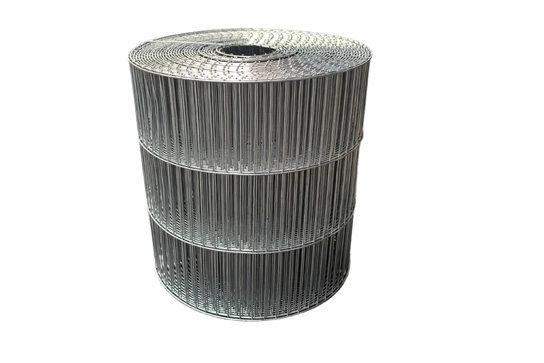
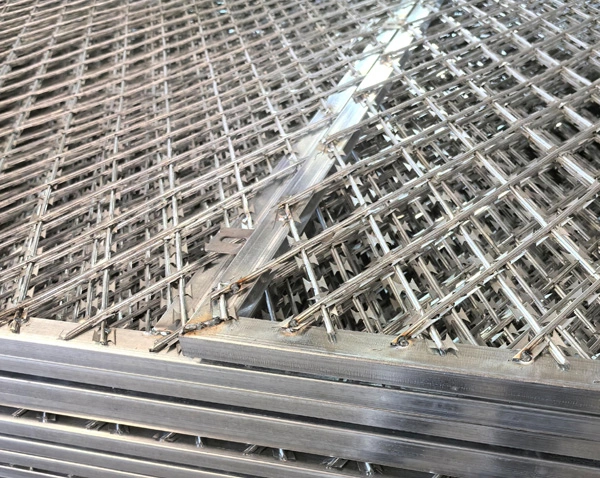
Before diving into the specifics of selecting galvanized steel welded mesh, it is essential to have a solid grasp of what this material entails. Galvanization is a process that involves coating steel with a layer of zinc to protect against corrosion. The welded mesh itself consists of wires arranged in a grid pattern, where each intersection is securely joined through welding, creating a strong, uniform structure. This combination results in a product that offers excellent strength, durability, and resistance to environmental factors, making it suitable for both indoor and outdoor use. Understanding these fundamental aspects will help you appreciate why galvanized steel welded mesh is often preferred over other types of fencing or reinforcement materials.
Evaluating Your Project Requirements
The first step in selecting the appropriate galvanized steel welded mesh for your needs is to clearly define your project requirements. Several key factors should be considered during this evaluation phase, including but not limited to:
- Application: Determine the primary use of the mesh, whether it’s for fencing, animal enclosures, concrete reinforcement, or any other purpose. Each application may require different mesh sizes, wire gauges, and overall dimensions.
- Environmental Conditions: Consider the environment in which the mesh will be used. Factors such as exposure to moisture, chemicals, or extreme temperatures can influence the type and quality of galvanized coating needed to ensure longevity.
- Load Bearing Capacity: If the mesh is intended for structural support, such as in concrete slabs or retaining walls, then its load-bearing capacity becomes a critical factor. This will determine the required wire gauge and mesh spacing.
- Aesthetic Considerations: In some cases, the visual appearance of the mesh might also play a role in the selection process, especially if it is going to be visible. Different finishes or coatings can affect the final look of the product.
By carefully assessing these elements, you can narrow down the options and make a more informed decision regarding the type of galvanized steel welded mesh best suited for your specific project.
Selecting the Right Specifications
Once you have a clear understanding of your project’s requirements, the next step is to choose the correct specifications for your galvanized steel welded mesh. Key specifications include:
- Wire Gauge (Diameter): The wire gauge directly affects the strength and flexibility of the mesh. Thicker wires are stronger but less flexible, while thinner wires offer more flexibility but lower strength. For most general-purpose applications, a wire gauge between 16 and 18 is commonly used. However, for high-strength applications, a thicker gauge like 14 or even 12 might be necessary.
- Mesh Opening Size: The size of the openings in the mesh (measured center-to-center) is another crucial specification. Smaller openings are ideal for applications requiring high security or containment, such as animal pens or security fences. Larger openings are suitable for applications where visibility and air circulation are important, like decorative fencing or architectural screens.
- Mesh Panel Dimensions: The overall dimensions of the mesh panels should match the space available for installation. Standard panel sizes vary, but custom sizes can usually be ordered to fit specific project needs. It’s important to measure the area accurately to avoid unnecessary waste or additional costs.
- Coating Type and Thickness: The type and thickness of the galvanized coating significantly impact the mesh’s resistance to corrosion. Hot-dip galvanization provides a thicker, more durable coating compared to electro-galvanization. The standard minimum coating thickness for hot-dipped galvanized mesh is typically 60-70 microns, ensuring long-term protection against rust and corrosion.
Making the right choices based on these specifications will ensure that the galvanized steel welded mesh meets the performance and durability requirements of your project.
Installation and Maintenance Tips
Proper installation and maintenance are vital to maximizing the lifespan and effectiveness of your galvanized steel welded mesh. Here are some tips to keep in mind:
- Professional Installation: While DIY installation is possible, hiring a professional installer can ensure that the mesh is installed correctly, reducing the risk of damage or improper fitting. Professional installers have the tools and experience to handle the mesh safely and efficiently.
- Regular Inspections: Regularly inspect the mesh for any signs of wear, damage, or corrosion. Early detection of issues can prevent more significant problems down the line. Pay special attention to areas that are exposed to harsh conditions, such as high humidity or chemical exposure.
- Cleaning and Maintenance: To maintain the integrity of the galvanized coating, it’s important to keep the mesh clean. Remove any debris, dirt, or organic matter that may accumulate on the surface. Avoid using abrasive cleaning agents, as they can damage the protective coating. Instead, use mild soap and water, and rinse thoroughly.
- Repairs and Replacements: If any sections of the mesh are damaged, it’s important to address them promptly. Small repairs can often be made by splicing in new sections of mesh, but larger areas may require complete replacement. Always ensure that any repairs or replacements are done using the same type and quality of mesh to maintain consistency and performance.
By following these installation and maintenance guidelines, you can extend the life of your galvanized steel welded mesh and ensure it continues to perform effectively for years to come.
Conclusion
Selecting the right galvanized steel welded mesh for your project involves a thorough understanding of the material, careful evaluation of your project requirements, and the selection of appropriate specifications. By considering factors such as wire gauge, mesh opening size, panel dimensions, and coating type, you can ensure that the mesh meets the necessary performance and durability standards. Additionally, proper installation and regular maintenance are essential to maximize the lifespan and effectiveness of the mesh. With the right approach, galvanized steel welded mesh can provide a reliable and long-lasting solution for a wide range of applications.


 English
 China
China Thailand
 Malaysia
 Vietnam
 Laos
Laos Cambodia
 Pilipinas
 Indonesia
 Russian
 Portuguese
 Arabic
 Japanese
 Spanish
 Italian
 French
 German
Leave a Reply