

 English
 China
China Thailand
 Malaysia
 Vietnam
 Laos
Laos Cambodia
 Pilipinas
 Indonesia
 Russian
 Portuguese
 Arabic
 Japanese
 Spanish
 Italian
 French
 German
News
- Home
- News
- Company News
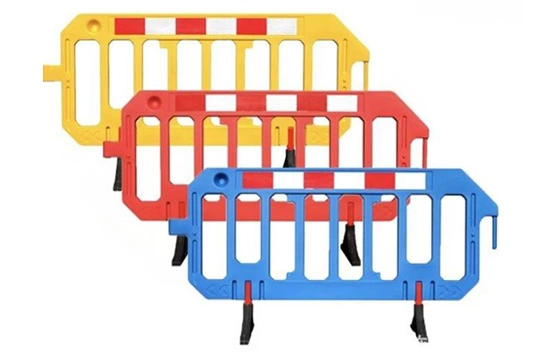
With the increasing complexity of urban environments, the role of traffic safety products in enhancing community safety has become a critical area of focus. Among these products, Public Order Barriers play an essential part in maintaining order and protecting lives. This report aims to explore the multifaceted roles that public order barriers play in enhancing community safety, with a particular emphasis on their design, implementation, and impact.
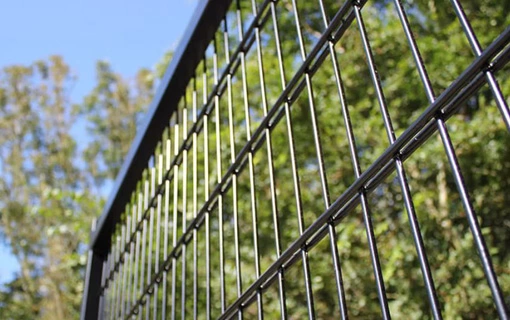
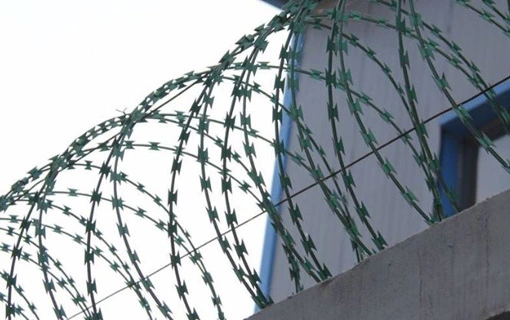
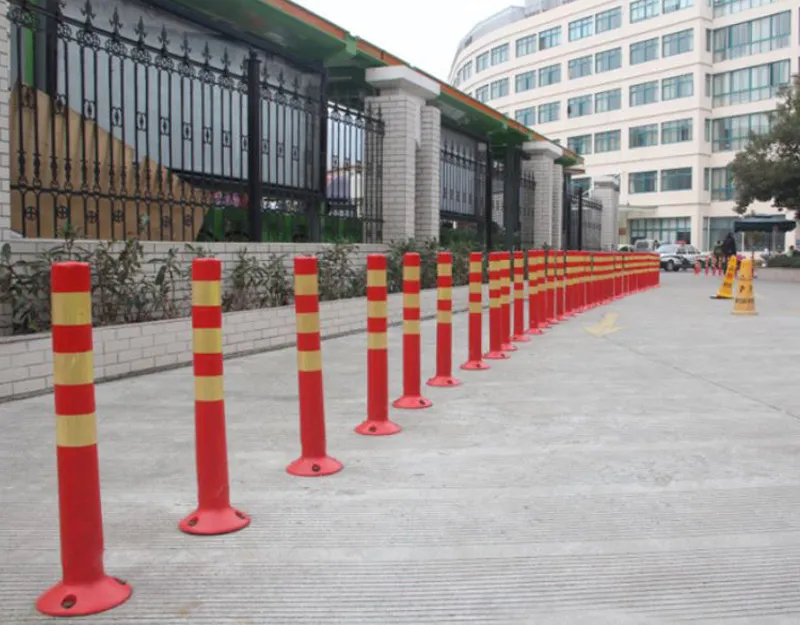
The design of public order barriers is a crucial factor in their effectiveness. These barriers must be both functional and visually unobtrusive, ensuring that they do not disrupt the aesthetic appeal of the community while still serving their primary purpose. The materials used in construction are also of paramount importance. High-quality, durable materials such as steel and reinforced concrete are often preferred due to their ability to withstand significant impacts and environmental wear. Additionally, the design must consider the ease of installation and maintenance, as well as the potential for customization to fit specific needs. For instance, some barriers can be equipped with reflective surfaces or lights to increase visibility during low-light conditions, thereby reducing the risk of accidents.
The strategic placement of public order barriers is another key aspect of their effectiveness. These barriers should be installed in high-risk areas where there is a significant amount of pedestrian and vehicular traffic, such as near schools, hospitals, and busy intersections. The goal is to create a physical barrier that can prevent unauthorized access and protect vulnerable areas from potential threats. Furthermore, the integration of public order barriers with other traffic safety products, such as speed bumps and traffic signs, can create a comprehensive safety system. This holistic approach ensures that the barriers are not only effective in their immediate vicinity but also contribute to the overall safety of the community. For example, the use of barriers in conjunction with speed reduction measures can significantly decrease the likelihood of high-speed collisions, thereby enhancing the safety of all road users.
The impact of public order barriers on community safety and well-being is profound. By providing a physical deterrent against unauthorized access and potential threats, these barriers help to create a sense of security and stability within the community. This, in turn, can lead to a reduction in crime rates and an increase in the overall quality of life for residents. Moreover, the presence of well-designed and strategically placed public order barriers can also have a positive psychological effect on the community. Knowing that measures are in place to protect them can instill a sense of confidence and trust in local authorities, fostering a more cohesive and supportive community environment. In addition, the use of public order barriers can also contribute to the economic well-being of the community by reducing the costs associated with accidents and property damage. This can result in lower insurance premiums and reduced healthcare expenses, ultimately benefiting the entire community.
Advancements in technology have led to the development of more sophisticated and effective public order barriers. Modern barriers can be equipped with sensors and monitoring systems that provide real-time data on their status and performance. This allows for proactive maintenance and rapid response to any issues that may arise. Additionally, some barriers can be integrated with smart city infrastructure, enabling them to communicate with other traffic management systems and respond dynamically to changing conditions. For example, in the event of an emergency, these barriers can be remotely controlled to open or close, facilitating the movement of emergency vehicles and personnel. The integration of such technologies not only enhances the functionality of the barriers but also improves the overall efficiency of the community's traffic safety system.
While public order barriers offer numerous benefits, there are also challenges that need to be addressed. One of the main challenges is the cost of installation and maintenance. High-quality, durable barriers can be expensive, and the ongoing maintenance required to ensure their effectiveness can add to the financial burden. Additionally, the design and placement of barriers must be carefully considered to avoid creating unintended consequences, such as increased congestion or reduced accessibility for certain groups. To address these challenges, it is essential to involve the community in the planning and decision-making process. Public consultations and feedback mechanisms can help to ensure that the barriers meet the needs and expectations of the community. Looking to the future, the continued development of innovative and cost-effective solutions will be crucial in maximizing the benefits of public order barriers. This includes exploring new materials and designs, as well as leveraging emerging technologies to enhance their functionality and efficiency.
In conclusion, public order barriers play a vital role in enhancing community safety by providing a physical and psychological deterrent against potential threats. Their design, strategic implementation, and technological advancements are key factors in their effectiveness. While there are challenges to be addressed, the overall impact of these barriers on community safety and well-being is significant. As urban environments continue to evolve, the importance of traffic safety products, including public order barriers, will only grow, making them an indispensable component of any comprehensive community safety strategy.



Leave a Reply