

 English
 China
China Thailand
 Malaysia
 Vietnam
 Laos
Laos Cambodia
 Pilipinas
 Indonesia
 Russian
 Portuguese
 Arabic
 Japanese
 Spanish
 Italian
 French
 German
News
- Home
- News
- Company News
With the rapid development of infrastructure and an increasing number of construction sites, ensuring traffic safety has become a critical concern. traffic safety products play a vital role in maintaining order and preventing accidents on roads, highways, and construction zones. This technical report aims to provide a comprehensive overview of essential traffic safety products that every site should consider for optimal safety.
One of the most fundamental aspects of traffic safety is visibility. Poor visibility can lead to accidents, especially in low-light conditions or during inclement weather. Reflective materials and high-visibility clothing are indispensable for enhancing the visibility of workers and vehicles. Reflective vests, jackets, and helmets ensure that workers are easily seen by drivers, reducing the risk of collisions. Additionally, reflective signs and markers can be used to delineate work zones and guide traffic safely around them. These products are designed to reflect light back to its source, making them highly effective in both day and night conditions.
Another key visibility enhancement is the use of LED lights. Portable LED warning lights and strobe lights can be placed at strategic points to alert drivers of potential hazards. These lights are particularly useful in areas with poor lighting, such as tunnels or underpasses. By providing a clear visual signal, these lights help to prevent accidents and ensure that drivers are aware of the presence of workers and equipment.
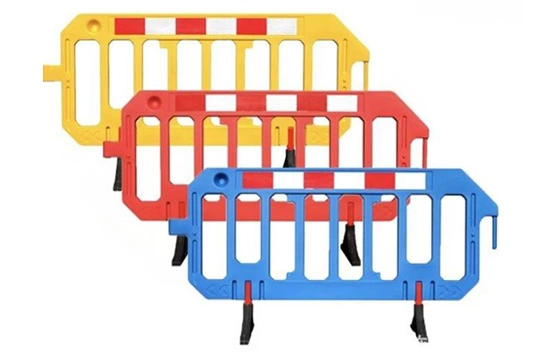
Physical barriers and delineation devices are crucial for managing traffic flow and protecting workers from oncoming vehicles. Traffic cones, barricades, and barriers are commonly used to create a safe working environment. Cones are lightweight and easy to deploy, making them ideal for temporary lane closures and detours. Barricades, on the other hand, are more robust and can be used to block off larger areas. They are often equipped with reflective strips to enhance visibility and can be connected to form a continuous barrier.
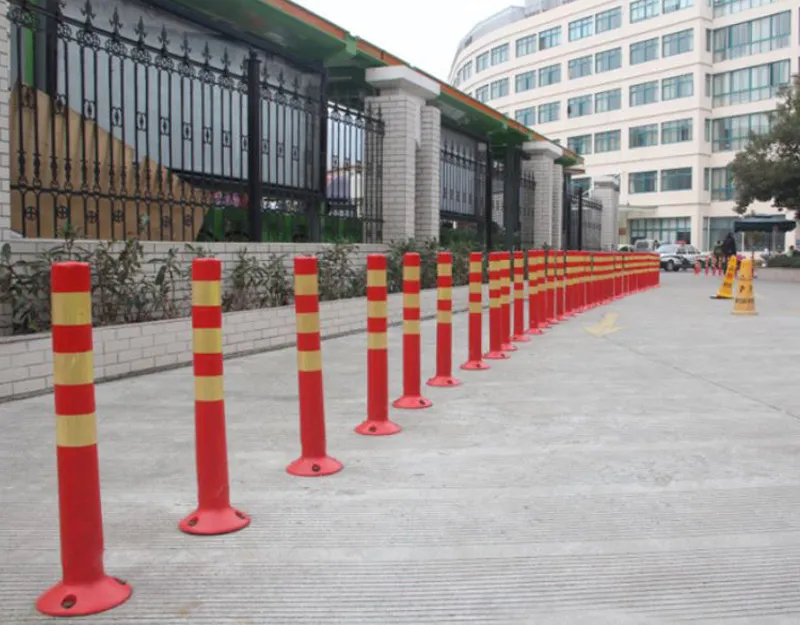
Delineators and channelizers are also important tools for directing traffic. These devices are typically made of durable plastic and are designed to withstand the impact of vehicles. They can be used to mark the boundaries of a work zone, guide traffic through a specific path, or indicate where drivers should slow down. The use of delineators and channelizers helps to maintain a smooth flow of traffic and reduces the likelihood of confusion and accidents.
Effective communication is essential for ensuring the safety of both workers and the public. Signage plays a critical role in conveying important information to drivers. Warning signs, speed limit signs, and directional signs are all necessary for guiding traffic and alerting drivers to potential hazards. These signs should be clearly visible and placed at appropriate intervals to ensure that they are noticed in time.
Variable message signs (VMS) are another valuable tool for communicating real-time information. VMS can display messages about road conditions, upcoming work zones, and other relevant information. They can be updated remotely, allowing for quick and efficient communication. In addition to signage, two-way radios and other communication devices are essential for coordinating activities within a work zone. These tools enable workers to stay in constant contact with each other and with traffic control personnel, ensuring that everyone is aware of the current situation and any potential risks.
Personal protective equipment (PPE) is a critical component of traffic safety. Workers in construction zones and on roadways are exposed to a variety of hazards, and proper PPE can significantly reduce the risk of injury. Hard hats, safety glasses, and steel-toed boots are standard PPE items that protect against head injuries, eye injuries, and foot injuries, respectively. Additionally, hearing protection is essential in noisy environments, such as near heavy machinery or in areas with high levels of traffic.
Respiratory protection is also important, especially in areas with dust, fumes, or other airborne contaminants. Dust masks and respirators can help to prevent respiratory issues and ensure that workers can breathe safely. Finally, gloves and other hand protection are necessary for handling materials and operating equipment. Cut-resistant gloves, for example, can protect against lacerations and punctures, while chemical-resistant gloves can protect against exposure to hazardous substances.
Ensuring traffic safety requires a multi-faceted approach that includes visibility enhancements, physical barriers, signage, and personal protective equipment. Each of these elements plays a critical role in creating a safe environment for workers and the public. By investing in high-quality Traffic Safety Products, construction sites and roadways can minimize the risk of accidents and promote a culture of safety. It is essential for site managers and safety officers to regularly assess their needs and update their safety protocols to ensure that they are using the most effective and up-to-date products available.




Leave a Reply