

 English
 China
China Thailand
 Malaysia
 Vietnam
 Laos
Laos Cambodia
 Pilipinas
 Indonesia
 Russian
 Portuguese
 Arabic
 Japanese
 Spanish
 Italian
 French
 German
News
- Home
- News
- Company News
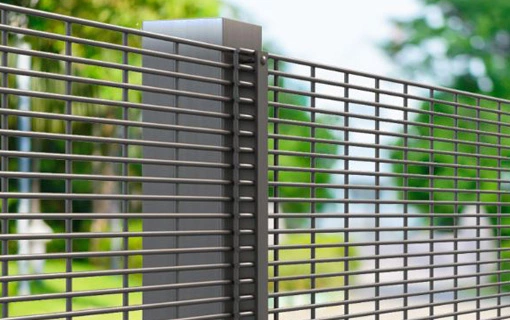
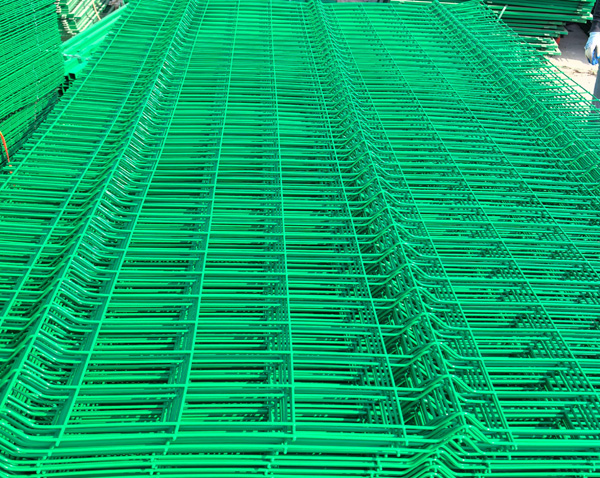
In the realm of traffic safety, ensuring the proper installation and maintenance of panel fences is critical for maximizing security. This technical report delves into the specifics of Panel Fence installation, focusing on best practices that enhance both the durability and effectiveness of these structures in safeguarding areas from unauthorized access. By adhering to the guidelines outlined, stakeholders can significantly improve the overall performance of their security measures, thereby contributing positively to traffic safety products and community well-being.
The foundation of any successful panel fence installation begins with thorough site preparation. This step is often overlooked but plays a pivotal role in determining the longevity and stability of the fence. It involves several key processes: clearing the area of debris, marking out the fence line, and ensuring the ground is level. Adequate site preparation not only facilitates smoother installation but also helps in preventing issues such as uneven settling or structural weaknesses, which could compromise the fence's integrity over time.
To achieve maximum security, it is essential to conduct a comprehensive survey of the installation site. This includes identifying potential obstacles, such as underground utilities, and planning how to work around them. The use of geotechnical surveys can be particularly beneficial in understanding soil conditions, which directly affect the choice of materials and construction techniques. For instance, in areas with soft or unstable soil, additional support mechanisms like concrete footings may be necessary to ensure the fence remains secure and upright.
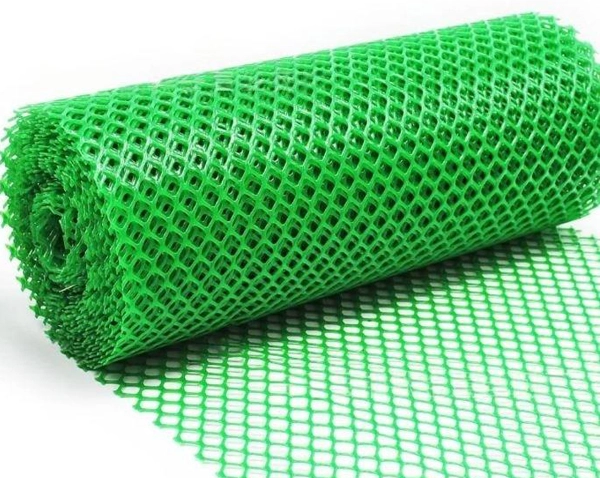
Material selection is another crucial aspect of installing a panel fence for optimal security. The type of material chosen will influence the fence’s resistance to environmental factors, such as corrosion, weathering, and physical damage. Common materials used in panel fences include galvanized steel, aluminum, and high-density polyethylene (HDPE). Each has its advantages and limitations, making it important to choose based on the specific needs and conditions of the installation site.
Galvanized steel, for example, offers excellent strength and durability, making it suitable for high-security applications. However, it requires regular maintenance to prevent rust and corrosion. On the other hand, aluminum is lightweight and highly resistant to corrosion, but it may not provide the same level of strength as steel. HDPE panels are known for their flexibility and impact resistance, making them ideal for environments where extreme weather conditions are common. They are also low-maintenance, which can be a significant advantage in terms of long-term cost-effectiveness.
It is also advisable to consider the aesthetic aspects of the fence, as this can impact the overall appearance of the secured area. Some materials, such as vinyl-coated steel, offer a balance between security and aesthetics, providing a more visually appealing option without compromising on functionality.
The actual installation process is where all the preparatory work comes together. Proper techniques are essential to ensure that the fence is installed correctly and securely. Key steps include setting the posts, aligning the panels, and securing the connections. Post-setting is particularly critical, as the posts serve as the primary support for the entire structure. Concrete is commonly used to anchor the posts, providing a stable base that can withstand external forces such as wind and attempted breaches.
When aligning the panels, it is important to maintain consistent spacing and alignment to ensure a uniform and professional appearance. Any gaps or misalignments can weaken the fence and create vulnerabilities. Additionally, the use of high-quality fasteners and connectors is crucial. These components should be chosen based on the material of the fence and the expected load, ensuring that they can withstand the stress and strain of daily use and potential impacts.
Regular inspections and maintenance are also part of the installation process. Once the fence is in place, it is important to establish a routine inspection schedule to identify and address any issues early. This can include checking for loose connections, signs of wear, and any damage that may have occurred. Prompt repairs and maintenance will help extend the life of the fence and ensure it continues to provide the intended level of security.
Compliance with local regulations and standards is a non-negotiable aspect of panel fence installation. Different regions may have specific requirements regarding the height, materials, and design of security fences. It is essential to consult local building codes and obtain the necessary permits before beginning the installation. Failure to comply with these regulations can result in fines, legal issues, and even the need to remove or modify the fence, which can be costly and time-consuming.
Additionally, it is important to consider the impact of the fence on the surrounding environment. In some cases, certain types of fences may be prohibited in protected areas or near wildlife habitats. Engaging with local authorities and environmental experts can help ensure that the installation meets all regulatory and ecological requirements, thus avoiding any potential conflicts.
Furthermore, involving a certified professional in the planning and installation process can be beneficial. Professionals can provide valuable insights and guidance, helping to ensure that the fence is installed in accordance with all applicable standards and best practices. This not only ensures compliance but also enhances the overall quality and effectiveness of the security measure.
Panel fence installation is a multifaceted process that requires careful planning, proper material selection, and adherence to best practices. By focusing on site preparation, choosing the right materials, implementing effective installation techniques, and ensuring compliance with local regulations, stakeholders can maximize the security and longevity of their panel fences. These efforts contribute to the broader goal of enhancing traffic safety products and creating safer, more secure communities.
Leave a Reply