

 English
 China
China Thailand
 Malaysia
 Vietnam
 Laos
Laos Cambodia
 Pilipinas
 Indonesia
 Russian
 Portuguese
 Arabic
 Japanese
 Spanish
 Italian
 French
 German
News
- Home
- News
- Company News
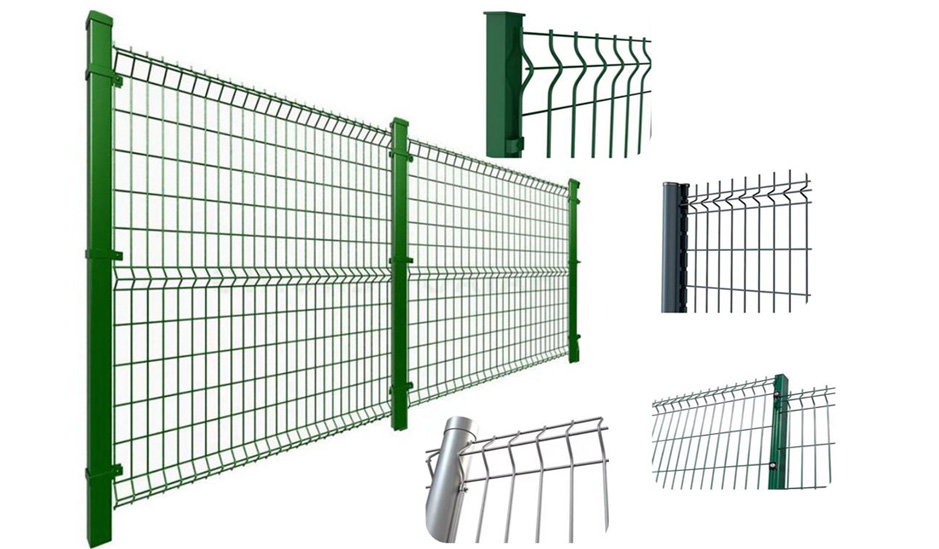
When it comes to the manufacturing of security solutions, especially anti-climb fences, quality is not just a preference but an absolute necessity. This technical report aims to explore the significance of maintaining high standards in the production process of anti climb fence manufacturers, highlighting several key areas that contribute to the overall effectiveness and reliability of these safety barriers.
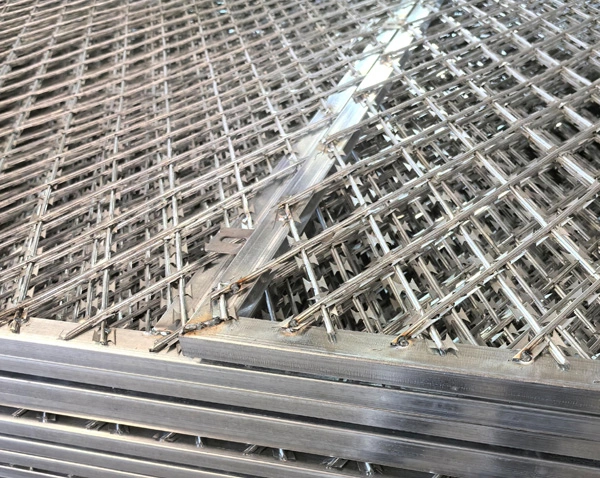
One of the most critical aspects of producing high-quality anti-climb fences is the selection of materials. The durability of an anti-climb fence is directly influenced by the type of material used in its construction. Typically, manufacturers opt for materials such as galvanized steel or aluminum, which are known for their strength, resistance to corrosion, and longevity. These choices ensure that the fence can withstand harsh environmental conditions, including extreme temperatures, heavy rainfall, and strong winds, without compromising its structural integrity. Moreover, using top-grade materials also enhances the aesthetic appeal of the fence, making it a suitable option for both residential and commercial applications. It's important for an Anti climb fence manufacturer to continuously assess and update their material selection based on the latest advancements in metallurgy and engineering, ensuring that their products remain at the forefront of industry standards.
Beyond the physical robustness provided by superior materials, innovative design plays a crucial role in elevating the security capabilities of anti-climb fences. A well-designed fence should incorporate features that make it difficult for intruders to scale or penetrate. Some common design elements include:
By integrating these and other advanced design principles, manufacturers can create fences that not only look imposing but also provide tangible benefits in terms of security. Continuous innovation in this area is essential for staying ahead of potential threats and meeting the evolving demands of clients.
Ensuring consistent quality throughout the entire lifecycle of an anti-climb fence - from initial design through final installation - requires stringent quality control measures. For an anti climb fence manufacturer, this involves multiple stages:
Adopting a comprehensive approach to quality management not only improves the end product but also builds trust with customers, reinforcing the reputation of the anti climb fence manufacturer as a reliable provider of security solutions.
As awareness about environmental issues grows, there is increasing pressure on industries, including those involved in security fencing, to adopt more sustainable practices. For an anti climb fence manufacturer, this means looking beyond just the immediate functionality of their products to consider their broader impact. Strategies might include sourcing raw materials from eco-friendly suppliers, optimizing energy use during manufacturing, and designing fences that can be recycled or repurposed at the end of their useful life. By embracing sustainability, manufacturers can differentiate themselves in a competitive market while contributing positively to global efforts towards reducing carbon footprints and promoting responsible consumption.
The importance of quality in anti-climb fence manufacturing cannot be overstated. From choosing the right materials to implementing cutting-edge designs and maintaining rigorous quality controls, every step in the production process plays a vital role in delivering a product that meets the highest standards of security and durability. As the industry continues to evolve, so too must the practices of anti climb fence manufacturers, adapting to new challenges and opportunities to provide the best possible protection for homes, businesses, and communities worldwide.
Leave a Reply