

 English
 China
China Thailand
 Malaysia
 Vietnam
 Laos
Laos Cambodia
 Pilipinas
 Indonesia
 Russian
 Portuguese
 Arabic
 Japanese
 Spanish
 Italian
 French
 German
News
- Home
- News
- Company News
Choosing the right anti-climb fence for your property is a critical decision, one that balances security, aesthetics, and budget. As an essential component in safeguarding both residential and commercial properties, understanding the various options available from different anti climb fence manufacturers can significantly impact the effectiveness of your perimeter security. This report delves into key considerations, types of materials, and technological advancements to guide you through making an informed choice.
The foundation of any effective security strategy begins with a robust perimeter. An anti-climb fence serves as the first line of defense, deterring unauthorized access and providing a physical barrier against potential intruders. It's crucial to recognize that not all fences are created equal; the design, material, and installation quality can greatly influence its effectiveness. For instance, a well-constructed anti-climb fence made from high-grade materials can withstand attempts at scaling or cutting, thereby enhancing overall security.
Moreover, the psychological deterrent provided by a visibly secure fence cannot be underestimated. Potential intruders are more likely to be dissuaded from attempting to breach a property if they perceive it as difficult or risky. Therefore, investing in a high-quality anti-climb fence is a proactive step towards creating a secure environment.
When selecting an anti-climb fence, the choice of material is paramount. Common materials include steel, aluminum, and composite materials, each offering distinct advantages and drawbacks. Steel, for example, is renowned for its strength and durability, making it a popular choice among Anti climb fence manufacturers. However, it is also susceptible to corrosion, which can be mitigated with proper treatment and maintenance. Aluminum, on the other hand, is lighter and naturally resistant to rust, but may not offer the same level of strength as steel. Composite materials, such as those incorporating fiberglass, provide a balance between strength and resistance to environmental factors, but may come at a higher cost.
It's important to consider the specific needs of your property when choosing the material. Factors such as the local climate, the level of security required, and the aesthetic preferences of the property owner should all be taken into account. Additionally, the long-term maintenance requirements and the expected lifespan of the fence should be evaluated to ensure a cost-effective solution.
Advancements in technology have led to the development of innovative features in anti-climb fencing, enhancing both functionality and security. One such advancement is the integration of electronic surveillance systems, such as cameras and motion sensors, directly into the fence structure. These systems can provide real-time monitoring and alert property owners or security personnel to any suspicious activity, allowing for a rapid response.
Another significant development is the use of smart materials and coatings that can detect and respond to physical breaches. For example, some anti climb fence manufacturers now offer fences with embedded sensors that can trigger alarms or send notifications when the fence is tampered with. These smart fences can also be integrated with other security systems, such as access control and intrusion detection, to create a comprehensive security network.
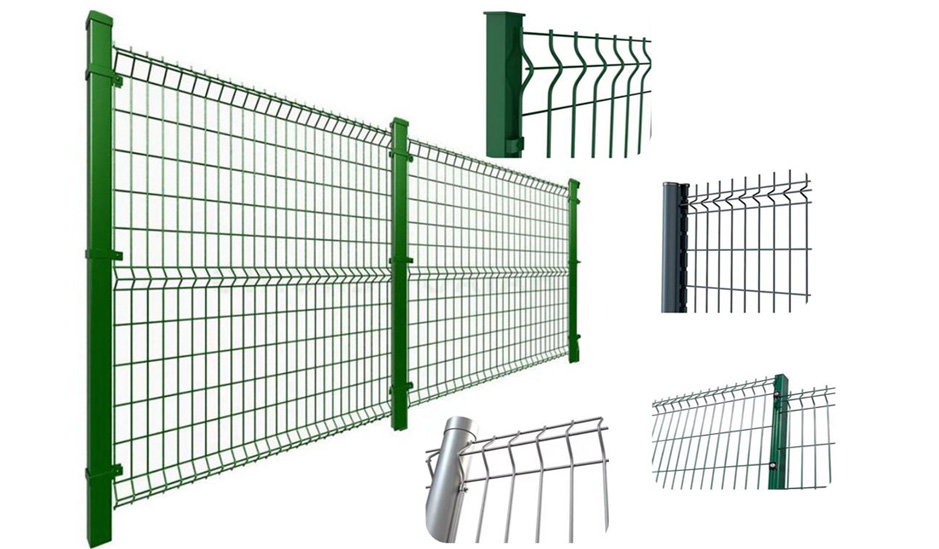
Furthermore, the design of anti-climb fences has evolved to include features that make them more difficult to scale or cut. Some manufacturers now offer fences with curved or angled tops, razor wire, and other deterrents that make it nearly impossible for intruders to climb over. These design elements, combined with advanced materials and technologies, contribute to a highly effective and secure perimeter solution.
While the initial cost of an anti-climb fence is an important consideration, it is equally crucial to evaluate the long-term value and return on investment. A high-quality fence, although more expensive upfront, can save money in the long run by reducing the need for frequent repairs and replacements. Additionally, the enhanced security provided by a well-constructed fence can lead to lower insurance premiums and reduced risk of property damage or theft, ultimately offsetting the initial investment.
When budgeting for an anti-climb fence, it's essential to factor in not only the purchase price but also the costs associated with installation, maintenance, and potential upgrades. Working with a reputable anti climb fence manufacturer can help ensure that you receive a product that meets your security needs and provides long-term value. They can also offer guidance on the best materials and designs for your specific property, helping you make a well-informed decision.
Selecting the right anti-climb fence for your property involves a careful evaluation of several factors, including the importance of perimeter security, the choice of materials, and the integration of advanced technologies. By considering these aspects, you can ensure that your fence not only provides a strong physical barrier but also enhances the overall security of your property. Working with a reliable anti climb fence manufacturer and taking a holistic approach to your security needs will help you make the best possible choice, ensuring both short-term and long-term benefits.

Leave a Reply