

 English
 China
China Thailand
 Malaysia
 Vietnam
 Laos
Laos Cambodia
 Pilipinas
 Indonesia
 Russian
 Portuguese
 Arabic
 Japanese
 Spanish
 Italian
 French
 German
News
- Home
- News
- Company News
In recent years, the demand for advanced security measures has significantly increased, leading to a surge in innovations within the anti climb fence manufacturer sector. This report delves into the latest developments and technological advancements that are shaping the future of anti-climb fencing solutions. By examining key areas such as material science, design, and integration with smart technologies, this document aims to provide a comprehensive overview of how these innovations are enhancing security while also addressing aesthetic and environmental concerns.
The core of any effective anti-climb fence lies in its construction materials. Traditional materials like steel and aluminum have long been favored for their strength and durability. However, modern anti climb fence manufacturers are now exploring more innovative options. For instance, the use of composite materials, which combine the strength of metals with the lightweight properties of polymers, is gaining traction. These composites not only offer superior resistance against cutting and climbing but also exhibit enhanced corrosion resistance, making them ideal for outdoor applications where exposure to the elements is inevitable. Additionally, there's a growing trend towards using recycled or sustainably sourced materials, aligning with global efforts to reduce carbon footprints and promote eco-friendly practices. This shift not only supports environmental sustainability but also appeals to consumers who are increasingly conscious about the ecological impact of their purchases.
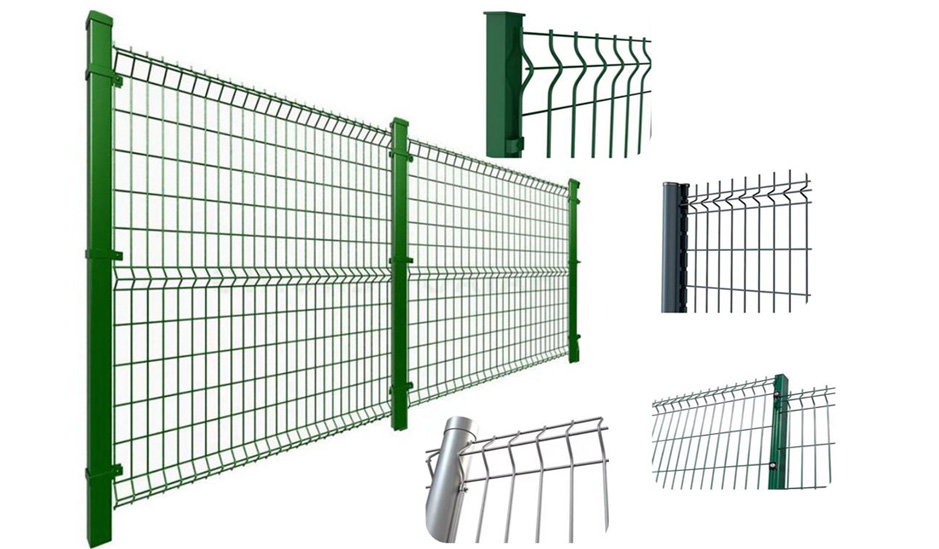
While functionality remains paramount, there is an increasing recognition among Anti climb fence manufacturers of the importance of aesthetics. Contemporary designs are moving away from the traditional, imposing look of high-security fences, instead incorporating sleek, unobtrusive styles that blend seamlessly with their surroundings. One notable innovation involves the use of modular components, allowing for greater flexibility in design and installation. This approach enables property owners to customize their fencing solutions according to specific needs, whether it’s for residential, commercial, or industrial settings. Moreover, some manufacturers are integrating features such as curved tops, which not only deter would-be intruders by making it difficult to gain a foothold but also add a touch of elegance to the overall appearance. The combination of form and function in these new designs ensures that security does not come at the expense of visual appeal, thereby broadening the appeal of anti-climb fencing across various market segments.
The advent of the Internet of Things (IoT) and artificial intelligence (AI) has opened up exciting possibilities for the anti climb fence manufacturer industry. Smart fencing systems, equipped with sensors and cameras, can now detect and respond to potential threats in real-time. For example, motion sensors embedded within the fence can trigger alerts when unusual activity is detected, enabling immediate action to be taken. Furthermore, AI-powered analytics can analyze patterns of movement around the perimeter, helping to identify vulnerabilities and improve overall security protocols. Some advanced systems even incorporate biometric authentication methods, such as facial recognition, to control access points, ensuring that only authorized individuals can enter the premises. These technological integrations not only enhance the effectiveness of anti-climb fences but also contribute to a more proactive and responsive security management strategy, reducing the likelihood of breaches and improving response times in case of emergencies.
As the world becomes more environmentally conscious, anti climb fence manufacturers are increasingly focusing on sustainable practices. This includes the use of renewable energy sources, such as solar power, to operate electronic components of the fence, thereby reducing reliance on non-renewable resources. Additionally, there is a growing emphasis on the recyclability of materials used in the construction of anti-climb fences. Many manufacturers are now offering products made from recycled materials, which can be repurposed at the end of their lifecycle, thus minimizing waste. Furthermore, some companies are implementing green manufacturing processes, such as water-based painting techniques and the use of low-VOC (Volatile Organic Compounds) coatings, to minimize the environmental impact of their operations. These initiatives not only help in protecting the environment but also resonate with consumers who prioritize sustainability, thereby enhancing the market competitiveness of anti-climb fencing solutions.
Ensuring compliance with local and international regulations is a critical aspect of the anti climb fence manufacturer business. As security standards continue to evolve, manufacturers must stay abreast of the latest requirements and certifications. For instance, many countries have stringent guidelines regarding the height, strength, and visibility of anti-climb fences, particularly in sensitive areas such as airports, military installations, and critical infrastructure. Adhering to these standards not only ensures the legal operation of the business but also builds trust and credibility with customers. Additionally, standardization plays a vital role in facilitating the adoption of new technologies and best practices across the industry. Organizations such as the International Organization for Standardization (ISO) and the American Society for Testing and Materials (ASTM) provide frameworks and guidelines that help manufacturers maintain consistency and quality in their products. By aligning with these standards, anti-climb fence manufacturers can ensure that their solutions meet the highest levels of performance and reliability, ultimately contributing to safer and more secure environments.
In conclusion, the anti climb fence manufacturer industry is witnessing a transformative phase, driven by advancements in material science, design, and technology. These innovations not only enhance the security and functionality of anti-climb fences but also address important considerations such as aesthetics, sustainability, and regulatory compliance. As the demand for robust and versatile security solutions continues to grow, it is clear that the future of anti-climb fencing will be shaped by a combination of cutting-edge technology and a commitment to environmental and social responsibility.

Leave a Reply