

 English
 China
China Thailand
 Malaysia
 Vietnam
 Laos
Laos Cambodia
 Pilipinas
 Indonesia
 Russian
 Portuguese
 Arabic
 Japanese
 Spanish
 Italian
 French
 German
News
- Home
- News
- Company News
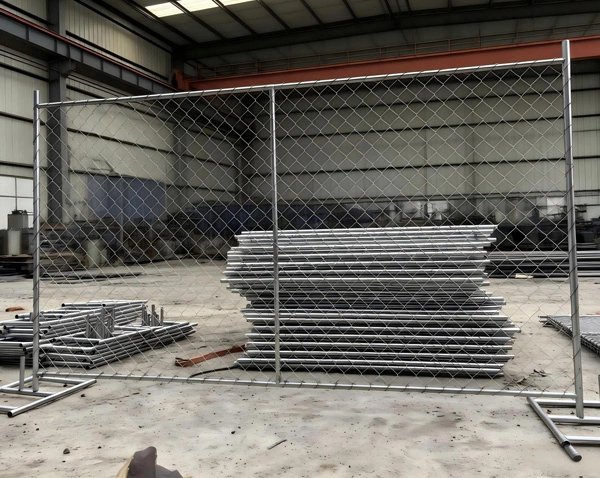
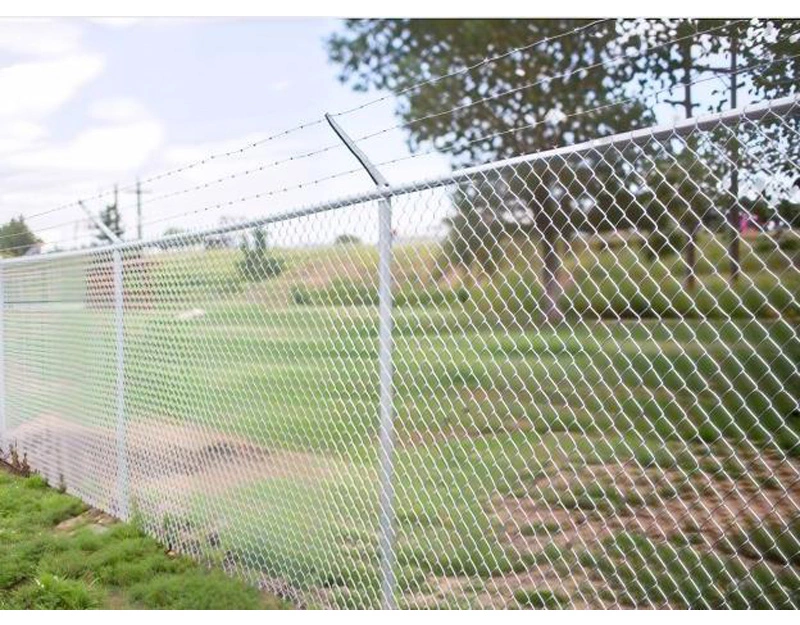
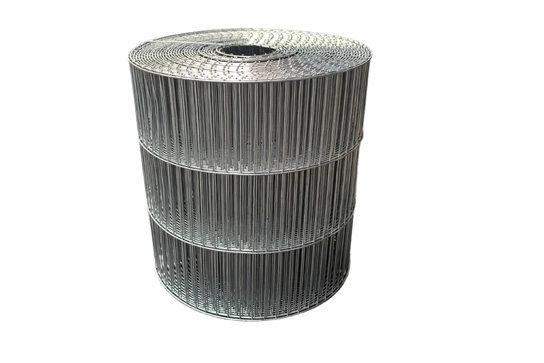
Welded wire fence panels have become a popular choice for both residential and commercial properties due to their robustness, cost-effectiveness, and aesthetic appeal. This technical report aims to explore the durability and maintenance requirements of welded wire fence panels over time, providing insights into their long-term performance and upkeep.
The primary material used in the construction of welded wire Fence panels is steel, which is known for its strength and resistance to deformation. The quality of the steel, including its grade and thickness, significantly influences the overall durability of the fence. High-grade steel, such as galvanized or stainless steel, offers enhanced corrosion resistance, making it ideal for outdoor applications. Galvanization, a process where the steel is coated with a layer of zinc, provides an additional barrier against rust and environmental factors. Stainless steel, on the other hand, contains chromium, which forms a protective oxide layer, further enhancing its resistance to corrosion.
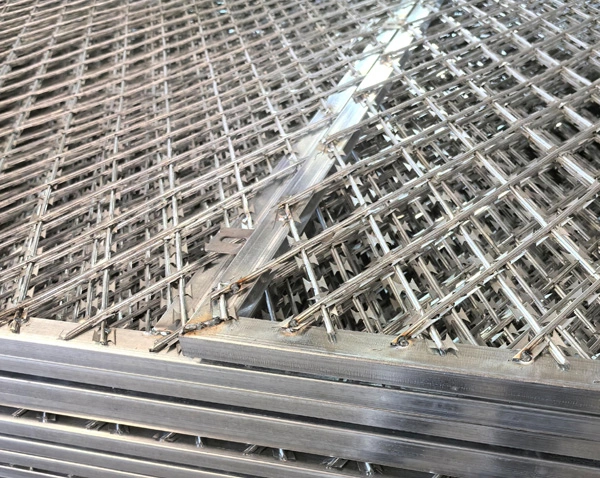
Moreover, the welding process itself plays a crucial role in the structural integrity of the fence. Properly welded joints ensure that the fence can withstand physical stress, such as impacts from debris or attempts at intrusion. The uniformity and consistency of the welds are essential, as any weak points can lead to premature failure. Manufacturers often use advanced welding techniques, such as resistance spot welding, to ensure strong and reliable connections between the wires.
Environmental conditions, such as climate, exposure to UV radiation, and chemical pollutants, can significantly affect the lifespan of welded wire fence panels. In regions with high humidity and frequent rainfall, the risk of corrosion is higher, even with galvanized or stainless steel. Regular inspection and maintenance, such as cleaning and reapplying protective coatings, can help mitigate these effects. Additionally, areas with high levels of salt in the air, such as coastal regions, require special attention, as salt can accelerate the corrosion process. Applying a marine-grade coating or using stainless steel can provide better protection in such environments.
UV radiation from sunlight can also cause the degradation of protective coatings and paint, leading to discoloration and reduced effectiveness. To address this, manufacturers often use UV-resistant paints and coatings that can withstand prolonged exposure to sunlight. Regular reapplication of these coatings every few years can help maintain the fence's appearance and protect the underlying metal.
Chemical pollutants, such as those found in industrial areas, can also pose a threat to the fence's longevity. These pollutants can react with the metal, causing pitting and corrosion. In such environments, it is advisable to use specialized coatings and to perform regular inspections to detect and address any signs of damage early on.
To ensure the longevity and optimal performance of welded wire fence panels, regular maintenance is essential. A well-maintained fence not only looks good but also provides reliable security and safety. The following practices can help extend the life of the fence:
By following these maintenance practices, property owners can ensure that their welded wire fence panels remain in excellent condition, providing reliable security and aesthetic appeal for many years.
While the initial investment in welded wire fence panels may vary depending on the quality of materials and the size of the project, they generally offer a high return on investment (ROI) over time. The durability and low maintenance requirements of these fences mean that they can last for decades with proper care, reducing the need for frequent replacements or major repairs. Additionally, the cost savings from lower maintenance and longer lifespan can offset the initial installation costs, making them a cost-effective solution for both residential and commercial applications.
Furthermore, the aesthetic versatility of welded wire fence panels allows them to complement a wide range of architectural styles, enhancing the overall appearance of the property. This can contribute to increased property value, particularly in residential settings. The combination of functionality, durability, and aesthetic appeal makes welded wire fence panels a wise investment for those seeking a long-lasting and visually appealing fencing solution.
In summary, welded wire fence panels are a durable and cost-effective option for securing and defining property boundaries. The choice of high-quality materials, such as galvanized or stainless steel, coupled with advanced welding techniques, ensures that these fences can withstand various environmental challenges. Regular maintenance, including cleaning, inspection, and reapplication of protective coatings, is key to extending their lifespan and maintaining their performance. By understanding the factors that influence durability and implementing effective maintenance practices, property owners can enjoy the benefits of a reliable and attractive welded wire fence for many years to come.
Leave a Reply