

 English
 China
China Thailand
 Malaysia
 Vietnam
 Laos
Laos Cambodia
 Pilipinas
 Indonesia
 Russian
 Portuguese
 Arabic
 Japanese
 Spanish
 Italian
 French
 German
News
- Home
- News
- Company News
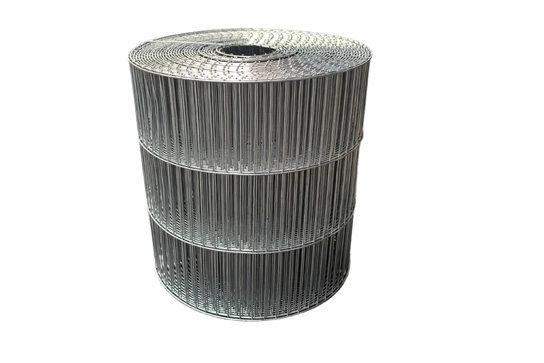
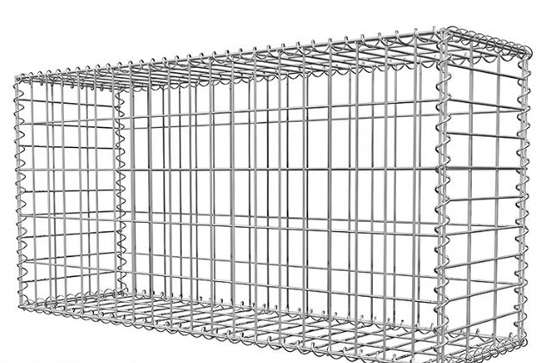
When it comes to selecting the ideal fencing solution for a property, whether residential or commercial, understanding the benefits and drawbacks of each option is crucial. Among the various types available, welded wire fence panels stand out due to their unique characteristics. This report aims to provide an in-depth comparison between welded wire fence panels and other popular fencing materials, such as wood, chain link, and vinyl, to help stakeholders make informed decisions.
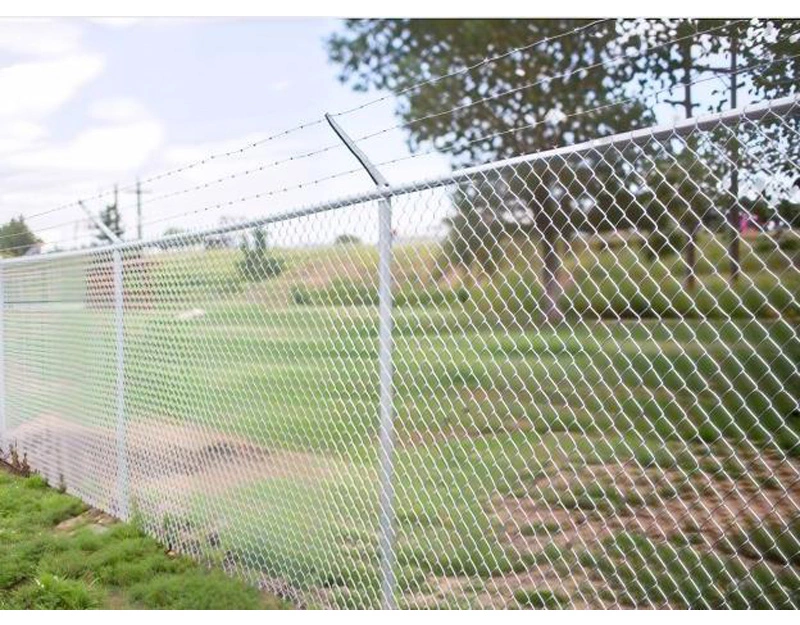
One of the most critical factors in choosing a fencing material is its durability. Welded wire Fence panels are typically made from galvanized steel, which provides excellent resistance against corrosion and rust. This makes them a durable choice, capable of withstanding harsh weather conditions and physical impacts. In contrast, wooden fences, while aesthetically pleasing, are more susceptible to rot, insect damage, and decay, requiring regular maintenance and treatment to prolong their lifespan. chain link fences, another common alternative, offer good durability but may not match the aesthetic appeal of welded wire fence panels. Vinyl fences, on the other hand, are known for their low maintenance and long-lasting properties, but they can be more expensive and less rigid compared to metal options.
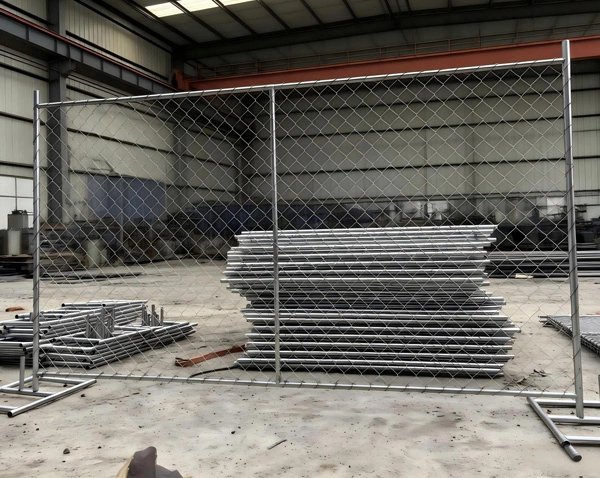
The cost of installing and maintaining a fence is a significant consideration for many property owners. Welded wire fence panels generally offer a balance between affordability and quality. They are often less expensive than high-end materials like wrought iron or premium vinyl, yet they provide a robust and secure barrier. The installation process for these panels is relatively straightforward, which can reduce labor costs. In terms of maintenance, welded wire fence panels require minimal upkeep. Periodic inspections and occasional touch-ups with paint or anti-rust treatments can keep them in good condition. Wood fences, however, need regular staining or painting, and they may require repairs due to warping, splintering, or pest infestation. Chain link fences also have low maintenance requirements but may not offer the same level of security and privacy as other options. Vinyl fences, while requiring very little maintenance, can be costly to install and repair if damaged.
Security and privacy are paramount concerns for many homeowners and business owners. Welded wire fence panels provide a secure barrier that is difficult to breach. The closely spaced wires create a strong, rigid structure that deters intruders and animals. Additionally, the visibility through the fence can be adjusted by choosing different wire gauges and mesh sizes, allowing for a balance between security and aesthetics. Wooden fences, especially those with solid boards, offer a high degree of privacy but may not be as secure as metal options. Intruders can potentially scale or break through wooden fences more easily. Chain link fences, while providing good security, do not offer much privacy and can be climbed with relative ease. Vinyl fences, with their solid panels, provide both privacy and security, but they can be more expensive and may not be as visually appealing as other options.
The appearance of a fence can significantly impact the overall look and feel of a property. Welded wire fence panels come in a variety of styles and finishes, allowing for customization to match the architectural style of the property. They can be powder-coated in different colors, and the wire patterns can be designed to add visual interest. This flexibility makes them suitable for both modern and traditional settings. Wooden fences, with their natural beauty and warm tones, are often preferred for their rustic and classic appearance. However, they can be limited in design options and may not suit all architectural styles. Chain link fences, while functional, are often seen as utilitarian and may not enhance the aesthetic value of a property. Vinyl fences, available in a range of styles and colors, offer a clean and uniform look but can sometimes appear artificial and lack the natural charm of wood or the industrial strength of metal.
Sustainability is becoming an increasingly important factor in construction and home improvement decisions. Welded wire fence panels, being made from steel, are recyclable and can be reused, making them an environmentally friendly option. The production process for steel has a lower carbon footprint compared to some other materials, such as vinyl, which is derived from non-renewable resources and is not biodegradable. Wooden fences, while renewable, require the harvesting of trees, and the use of chemical treatments for preservation can have negative environmental impacts. Chain link fences, similar to welded wire, are also recyclable and have a relatively low environmental impact. Vinyl fences, although durable, are not biodegradable and can contribute to waste if not properly recycled.
In conclusion, when comparing welded wire fence panels with other fencing options, it is clear that they offer a balanced combination of durability, cost-effectiveness, security, and aesthetic appeal. While each type of fence has its own advantages and disadvantages, welded wire fence panels stand out as a versatile and practical choice for a wide range of applications. By considering the specific needs and preferences of the property, stakeholders can make an informed decision that meets their requirements and enhances the value and functionality of their space.
Leave a Reply