

 English
 China
China Thailand
 Malaysia
 Vietnam
 Laos
Laos Cambodia
 Pilipinas
 Indonesia
 Russian
 Portuguese
 Arabic
 Japanese
 Spanish
 Italian
 French
 German
News
- Home
- News
- Company News
Anti-climb fences have become a popular security solution for both residential and commercial properties, offering an effective barrier against intruders. These specialized fences are designed with features that make it extremely difficult, if not impossible, for individuals to scale them. By incorporating anti-climb protection, property owners can significantly enhance the security of their premises. This report will explore how anti-climb fences deter intruders effectively, focusing on their design, installation, and the psychological impact they have on potential intruders. Additionally, we will discuss the maintenance and cost-effectiveness of these security solutions, as well as their integration with other security measures.
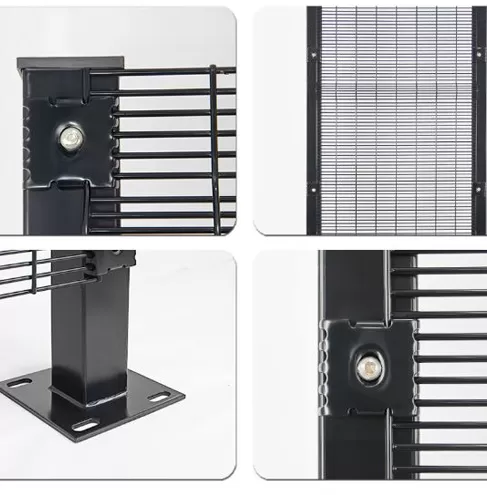
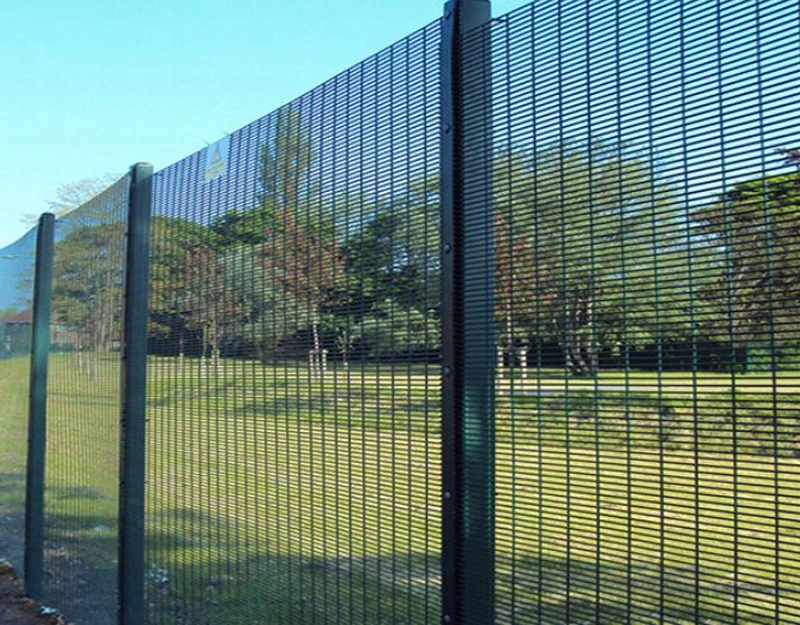
The materials used in the construction of anti-climb fences play a crucial role in their effectiveness. Typically, these fences are made from high-strength steel or aluminum, which provides durability and resistance to tampering. The fence panels are often reinforced with additional support structures, such as horizontal and vertical bars, to prevent bending or breaking. The top of the fence may also feature sharp points or spikes, making it even more challenging for intruders to climb over.
Anti-climb fences are designed with specific features that deter scaling. For example, the spacing between the bars is typically narrow, preventing individuals from finding footholds or handholds. Some designs incorporate a curved or angled top, which makes it difficult for intruders to gain a stable grip. Additionally, the height of the fence is another critical factor; taller fences are generally more effective at deterring intruders. The combination of these design elements creates a formidable barrier that is highly resistant to climbing attempts.
Proper installation is essential for the effectiveness of anti-climb fences. The fence should be securely anchored into the ground using concrete or deep-set posts to prevent it from being easily uprooted. It is also important to ensure that the fence is installed at a consistent height and that there are no gaps or weak points that could be exploited by intruders. Professional installation is recommended to ensure that the fence meets all safety and security standards.
The placement of the anti-climb fence is just as important as its design and installation. Fences should be positioned in areas where they can provide maximum coverage and visibility. For example, placing the fence around the perimeter of a property ensures that all entry points are secured. Additionally, the fence should be placed in well-lit areas to further deter intruders. Strategic placement can also include integrating the fence with natural barriers, such as hedges or trees, to create a layered defense system.
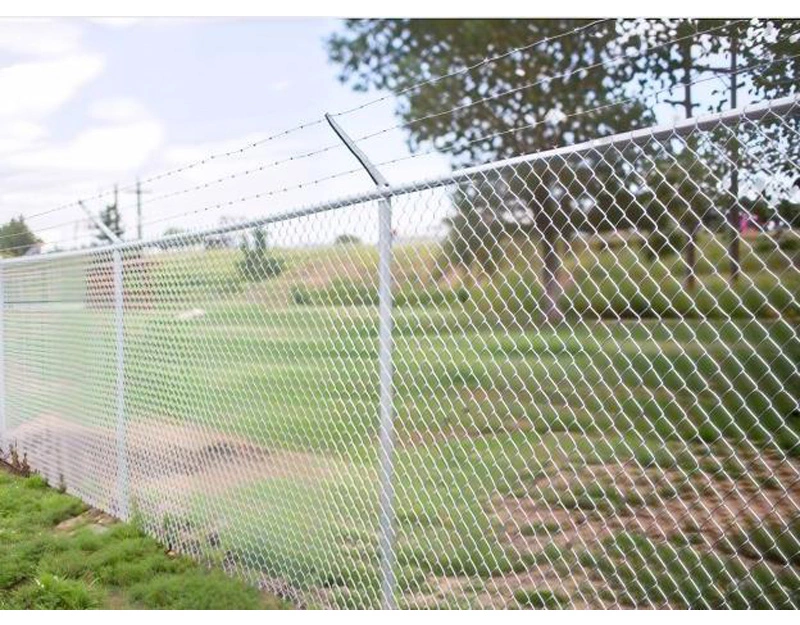
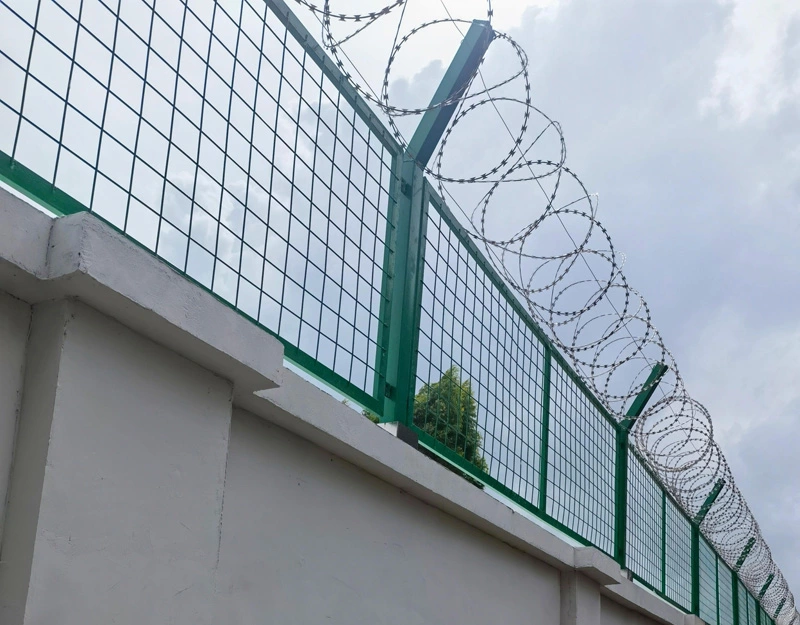
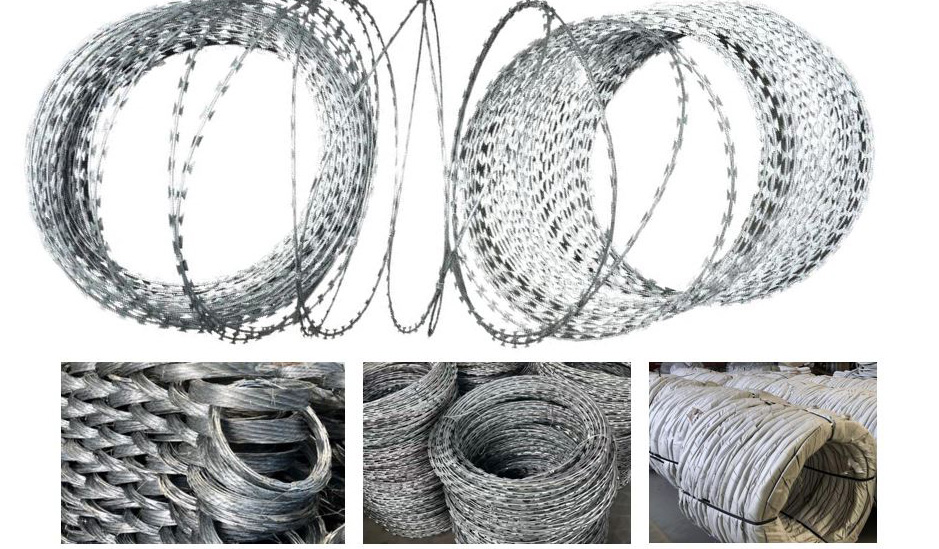
The visual presence of an anti-climb fence can have a significant psychological impact on potential intruders. A tall, imposing fence with visible security features, such as spikes or barbed wire, can create a strong deterrent effect. Intruders are less likely to attempt to breach a property that appears well-protected, as the risk of being caught or injured is higher. The mere sight of an anti-climb fence can discourage many would-be intruders from even attempting to enter the property.
In addition to the visual deterrence, the perceived difficulty of scaling an anti-climb fence also plays a role in deterring intruders. When potential intruders assess the fence and recognize that it is nearly impossible to climb, they are more likely to abandon their plans. The combination of the fence's height, design, and additional security features, such as spikes or barbed wire, contributes to this perception. The psychological impact of an anti-climb fence can be just as effective as its physical barriers in preventing unauthorized access.
To ensure the long-term effectiveness of anti-climb fences, regular inspection and maintenance are necessary. This includes checking for any signs of wear and tear, such as rust, corrosion, or damage to the Fence panels. Any issues should be addressed promptly to prevent further deterioration. Regular cleaning and painting can also help to extend the life of the fence and maintain its appearance. Additionally, it is important to inspect the fence's anchors and supports to ensure they remain secure and stable.
While the initial cost of installing an anti-climb fence may be higher than traditional fencing options, the long-term benefits often outweigh the initial investment. Anti-climb fences are designed to last for many years with proper maintenance, providing a cost-effective security solution. The reduction in the risk of break-ins and the associated costs, such as property damage and insurance claims, can lead to significant savings over time. Additionally, the peace of mind and increased security provided by an anti-climb fence can be invaluable to property owners.
For optimal security, anti-climb fences can be integrated with other security measures, such as surveillance systems. Installing cameras along the fence line can provide real-time monitoring and recording of any suspicious activity. This not only acts as a deterrent but also provides evidence in the event of a security breach. The combination of a physical barrier and electronic surveillance creates a comprehensive security system that is highly effective in deterring intruders.
Another way to enhance the security provided by an anti-climb fence is to integrate it with access control systems and lighting. Access control systems, such as gates and keycard readers, can restrict entry to authorized personnel only, adding an additional layer of security. Proper lighting, especially in areas where the fence is located, can also deter intruders by increasing visibility and the likelihood of detection. The integration of these security measures with an anti-climb fence creates a multi-layered defense system that is highly effective in protecting the property.
In conclusion, anti-climb fences are a highly effective security solution for deterring intruders. Their design, including the use of durable materials and specific features, makes them nearly impossible to scale. Proper installation and strategic placement are crucial for maximizing their effectiveness. The psychological impact of these fences, both visually and in terms of perceived difficulty, serves as a strong deterrent. Regular maintenance and the integration with other security measures, such as surveillance systems and access control, further enhance their effectiveness. Overall, anti-climb fences provide a robust and cost-effective security solution for both residential and commercial properties.
As technology continues to advance, the design and functionality of anti-climb fences are likely to evolve. Future innovations may include the integration of smart sensors and alarms, which can detect and alert property owners to any attempts to breach the fence. Additionally, new materials and construction techniques may be developed to further enhance the durability and effectiveness of these fences. The ongoing development of anti-climb fences will continue to provide property owners with advanced and reliable security solutions.


Leave a Reply