

 English
 China
China Thailand
 Malaysia
 Vietnam
 Laos
Laos Cambodia
 Pilipinas
 Indonesia
 Russian
 Portuguese
 Arabic
 Japanese
 Spanish
 Italian
 French
 German
News
- Home
- News
- Company News
Anti-climb fences play a crucial role in enhancing the security of various premises, from industrial sites to residential areas. This report delves into the significance of anti-climb fences as a key element for secure boundaries. It explores the materials and designs that make these fences effective, the benefits they offer over traditional fencing, their installation considerations, and how they contribute to overall perimeter security. The discussion is supported by technical insights and practical examples, providing a comprehensive understanding of why anti-climb fences are indispensable in today's security landscape.
The effectiveness of an anti-climb fence largely depends on the quality and durability of the materials used. Modern anti-climb fences often utilize high-strength steel or aluminum, which not only provide robustness but also resist corrosion and weathering. These materials are engineered to withstand significant physical force, making it difficult for intruders to breach the fence. Additionally, some advanced models incorporate composite materials, such as fiberglass, which offer a balance between strength and flexibility, further enhancing the fence's resistance to climbing and cutting.
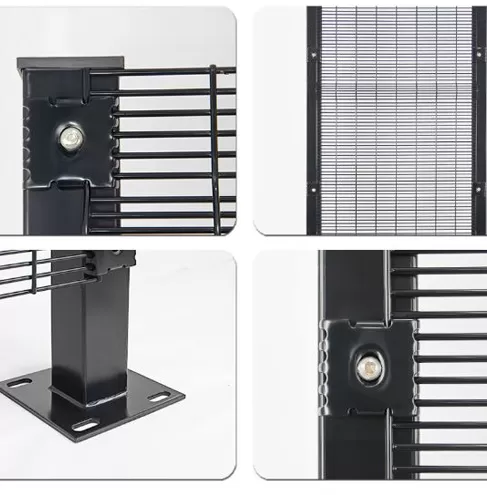
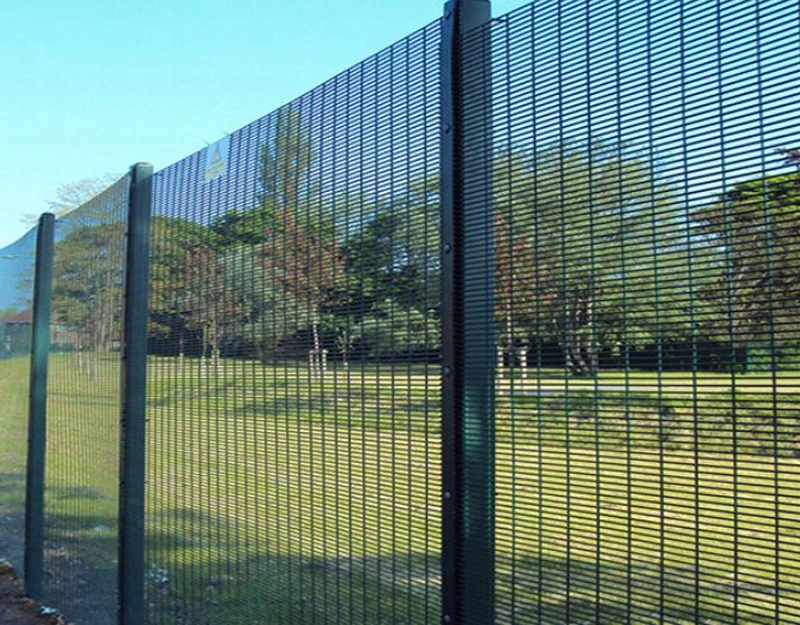
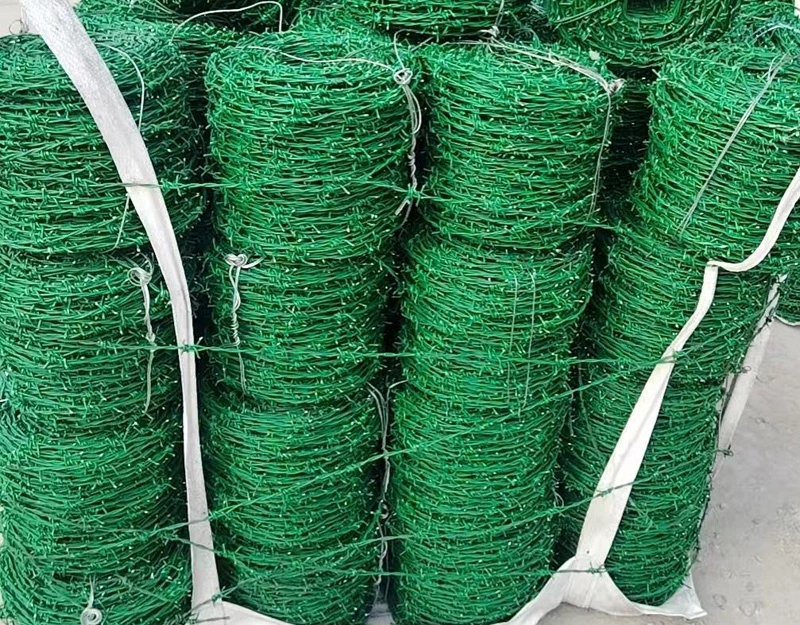
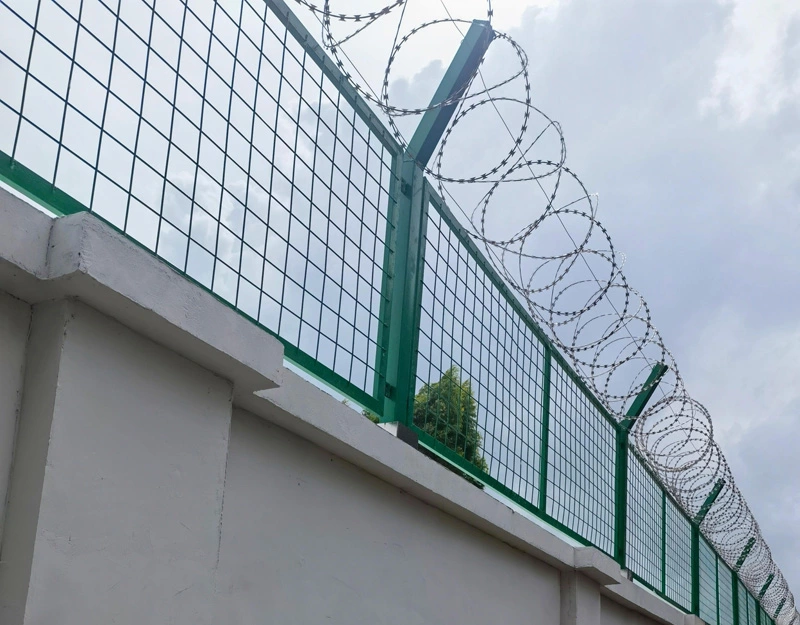
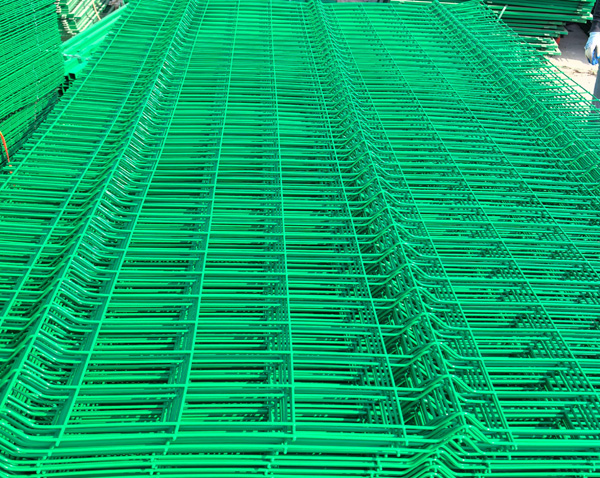
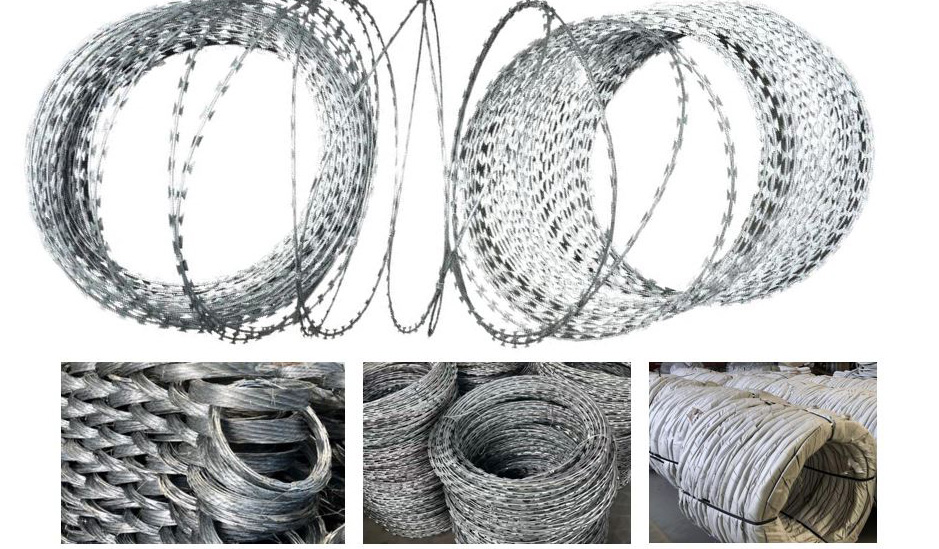
Beyond material selection, the design of an anti-climb fence is critical for its functionality. One of the most common designs is the 358 mesh, named after its wire diameter (3mm) and mesh size (50mm x 50mm). This design creates a small, tight-knit grid that makes it extremely difficult for individuals to gain a foothold or handhold. Another popular design is the palisade fence, characterized by its spear-topped pales, which serve as a visual deterrent and physical barrier. These designs, combined with features like anti-climb strips and barbed wire toppings, significantly reduce the risk of unauthorized access.
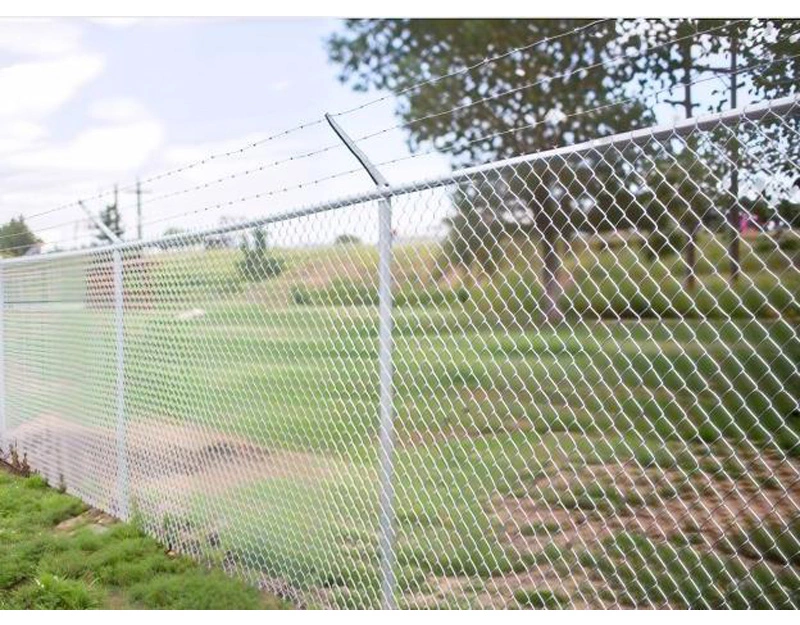
Compared to traditional fences, anti-climb fences offer superior deterrence and security. Traditional fences, such as chain-link or wooden fences, can be easily scaled or cut, making them vulnerable to breaches. In contrast, anti-climb fences are designed with specific features that make them nearly impossible to climb or cut. For example, the 358 mesh and palisade designs mentioned earlier create a formidable barrier that deters potential intruders. The combination of these design elements and high-quality materials ensures that anti-climb fences provide a higher level of security, making them ideal for high-risk areas.
While the initial cost of installing an anti-climb fence may be higher than that of a traditional fence, the long-term benefits often outweigh the upfront investment. Anti-climb fences are built to last, with materials that resist wear and tear, corrosion, and weathering. This durability translates to lower maintenance and replacement costs over time. Additionally, the enhanced security provided by anti-climb fences can prevent incidents of theft, vandalism, and other security breaches, which can result in significant financial losses. Therefore, the long-term cost-effectiveness of anti-climb fences makes them a worthwhile investment for any property owner concerned about security.
Proper installation of an anti-climb fence begins with a thorough site assessment and planning. The first step is to evaluate the specific security needs of the property, including the type of threats it faces and the level of protection required. This assessment should consider factors such as the location, the surrounding environment, and the potential for future expansion. Once the requirements are clear, the next step is to plan the layout of the fence, taking into account the terrain, existing structures, and any local regulations or zoning laws. A well-planned installation ensures that the fence provides optimal security and complies with all relevant standards.
Given the complexity and importance of anti-climb fences, professional installation is highly recommended. Professional installers have the expertise and tools necessary to ensure that the fence is installed correctly and securely. They can also provide valuable advice on the best practices for maintaining the fence, such as regular inspections, cleaning, and minor repairs. Proper maintenance is essential to keep the fence in good condition and to extend its lifespan. Regular inspections can help identify and address any issues before they become major problems, ensuring that the fence continues to provide the desired level of security.
An anti-climb fence is just one component of a comprehensive perimeter security system. To maximize its effectiveness, it should be integrated with other security measures, such as surveillance cameras, intrusion detection systems, and access control points. Surveillance cameras can provide real-time monitoring and recording of the perimeter, while intrusion detection systems can alert security personnel to any attempts to breach the fence. Access control points, such as gates and turnstiles, can regulate entry and exit, ensuring that only authorized individuals can enter the premises. By combining these measures, property owners can create a multi-layered security system that provides robust protection against a wide range of threats.
Ensuring that an anti-climb fence meets regulatory compliance and industry standards is crucial for maintaining its effectiveness and legality. Many countries and regions have specific regulations and guidelines for the installation and use of security fences. These regulations may cover aspects such as the height of the fence, the type of materials used, and the design specifications. Adhering to these standards not only ensures that the fence provides the required level of security but also helps to avoid legal issues and potential fines. Additionally, industry standards, such as those set by organizations like the American Society for Testing and Materials (ASTM), provide a benchmark for the quality and performance of anti-climb fences, helping to ensure that they meet the highest standards of safety and security.

Leave a Reply