

 English
 China
China Thailand
 Malaysia
 Vietnam
 Laos
Laos Cambodia
 Pilipinas
 Indonesia
 Russian
 Portuguese
 Arabic
 Japanese
 Spanish
 Italian
 French
 German
News
- Home
- News
- Company News
coated metal fencing materials have become a popular choice for both residential and commercial applications due to their superior strength, durability, and aesthetic appeal. These materials are designed to withstand harsh environmental conditions, including corrosion, UV exposure, and physical impacts. In this technical report, we will explore the benefits of coated metal fencing, focusing on its structural integrity, longevity, and the specific application of anti-climb fence designs. We will also discuss the manufacturing processes that enhance these properties, making coated metal fences a reliable and long-lasting solution for various security and boundary needs.
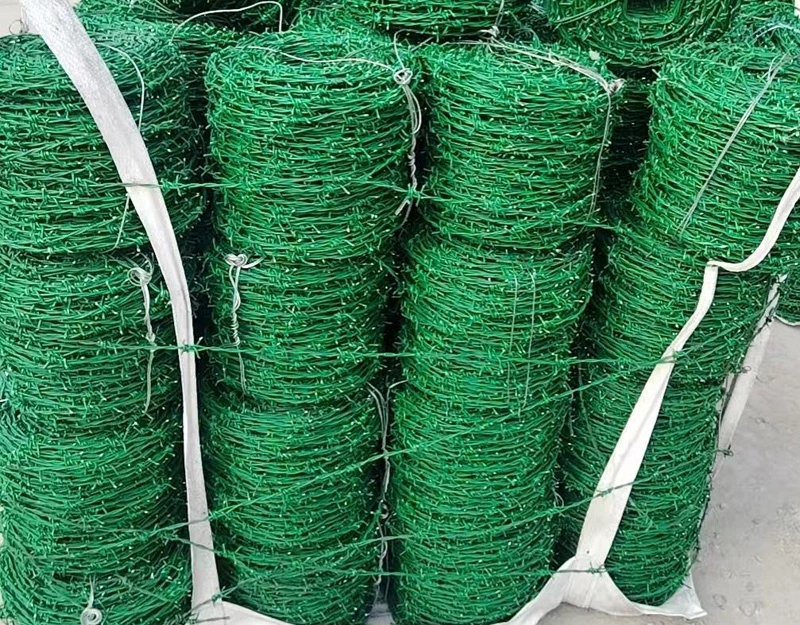
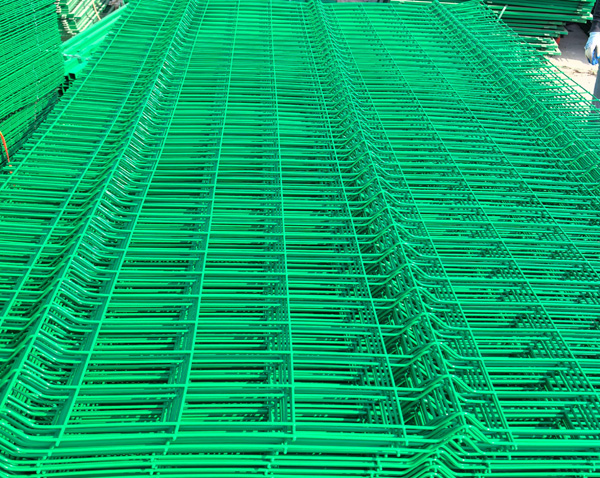
Coated metal fencing is engineered to provide robust protection against a wide range of environmental factors. The coating, typically made from materials such as polyester, plastisol, or powder, forms a protective layer that shields the underlying metal from moisture, rust, and other corrosive elements. This not only extends the lifespan of the fence but also ensures that it remains visually appealing over time. Additionally, the coating provides resistance to UV radiation, which can cause fading and degradation of non-coated metal surfaces.
One of the key advantages of coated metal fencing is its exceptional strength and structural integrity. The combination of high-quality metal and a durable coating creates a barrier that is highly resistant to physical damage. This makes it an ideal choice for areas where security is a top priority, such as industrial sites, government facilities, and private residences. The strength of the fence also contributes to its ability to deter unauthorized access, making it a preferred option for anti-climb fence designs.
The quality of the final product is heavily dependent on the selection of raw materials and the preparation process. High-grade steel or aluminum is typically used as the base material due to their inherent strength and malleability. Before coating, the metal is thoroughly cleaned and treated to remove any impurities, ensuring a smooth and even surface. This step is crucial for achieving a uniform and long-lasting coating, which is essential for the overall performance of the fence.
Several coating techniques are employed in the manufacturing of coated metal fencing, each with its own set of advantages. Powder coating, for example, involves applying a dry powder to the metal surface, which is then cured under heat to form a hard, protective layer. This method offers excellent adhesion, durability, and resistance to chipping and scratching. Another common technique is plastisol coating, which uses a liquid PVC-based material that is applied and then heated to create a thick, flexible layer. Plastisol coatings are known for their superior impact resistance and weatherproofing properties, making them suitable for high-traffic and high-exposure environments.
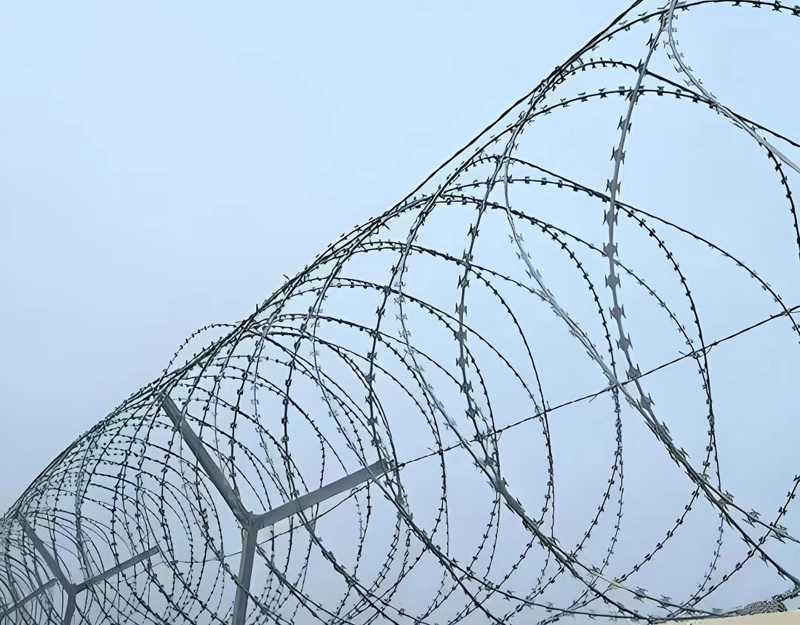
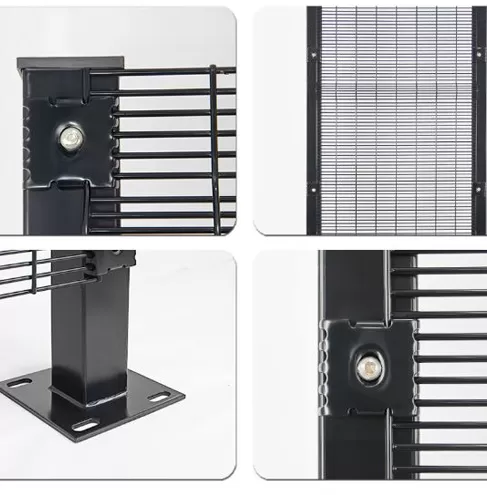
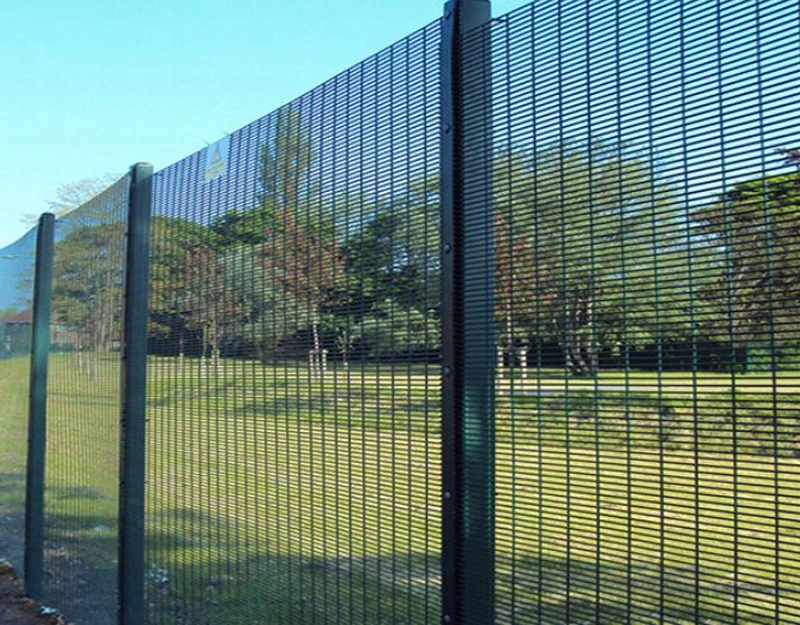
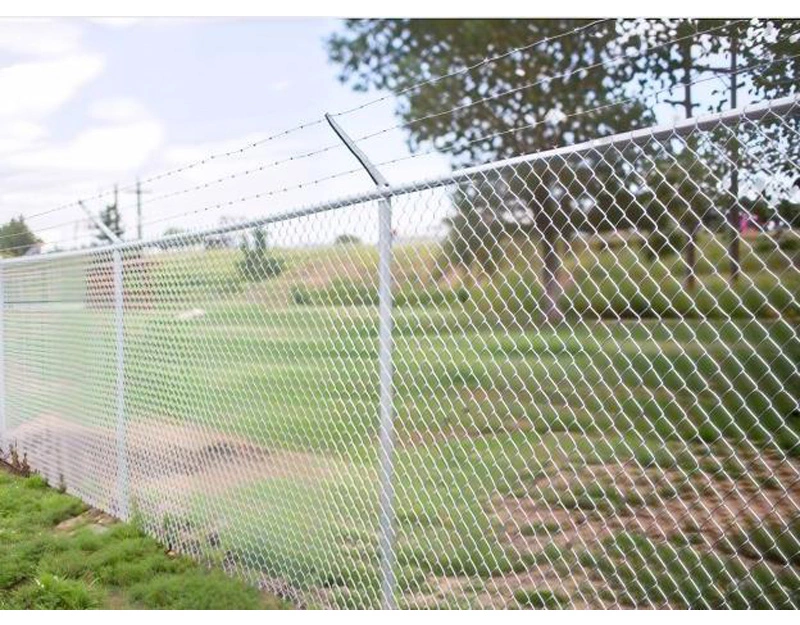
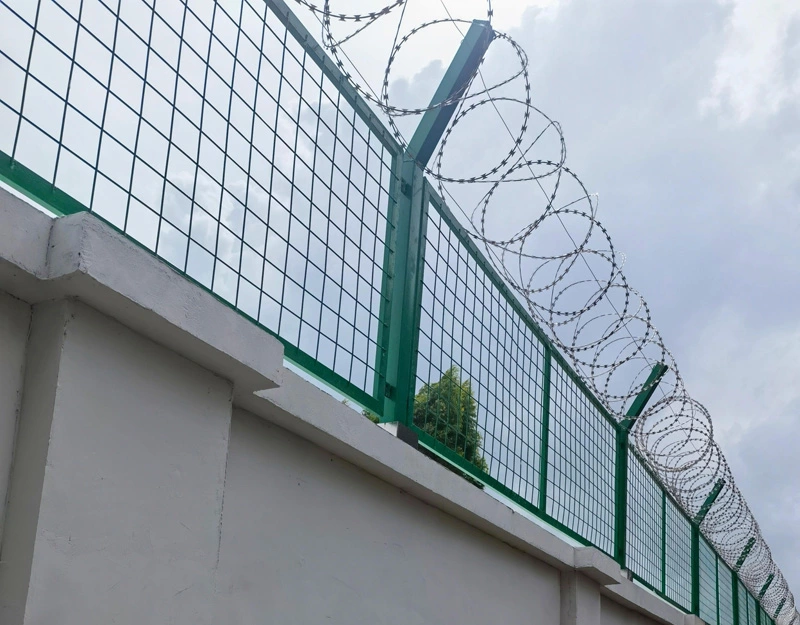
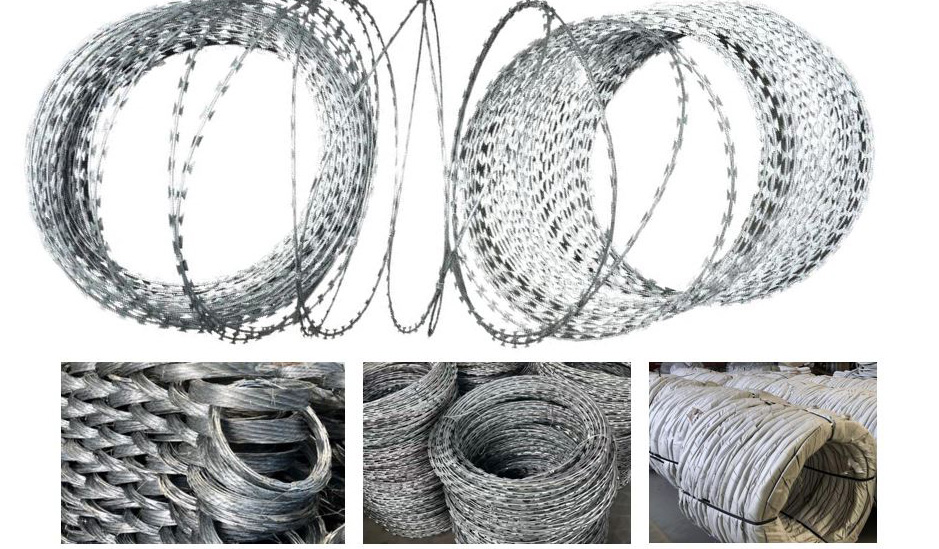
Anti-climb fences are specifically designed to prevent unauthorized access by creating a physical barrier that is difficult to scale. These fences often feature additional deterrents such as spikes, barbs, or angled tops, which make it nearly impossible for intruders to climb over. The use of coated metal in anti-climb fences is particularly advantageous because it provides a strong, durable, and low-maintenance solution. The coating not only protects the fence from environmental damage but also enhances its aesthetic appeal, making it a practical and attractive security measure.
Effective security often requires a multi-layered approach, and anti-climb fences can be seamlessly integrated with other security measures to create a comprehensive system. For example, the fence can be combined with surveillance cameras, motion sensors, and alarm systems to provide real-time monitoring and alerts. The coated metal fence serves as the first line of defense, while the additional security measures offer an extra layer of protection. This integrated approach ensures that the property is well-protected from both physical and technological threats, providing peace of mind to property owners and managers.
To ensure the longevity and continued effectiveness of coated metal fences, regular maintenance is essential. This includes periodic inspections to check for any signs of wear, damage, or corrosion. Any issues should be addressed promptly to prevent further deterioration. Additionally, cleaning the fence regularly with mild soap and water can help maintain its appearance and remove any dirt or debris that may accumulate over time. Avoid using abrasive materials or harsh chemicals, as these can damage the coating and reduce the fence's lifespan.
While the initial cost of installing a coated metal fence may be higher compared to other types of fencing, the long-term cost efficiency is a significant advantage. The durability and low maintenance requirements of coated metal fences mean that they require fewer repairs and replacements over time, resulting in lower overall costs. Furthermore, the extended lifespan of these fences means that they provide a more sustainable and cost-effective solution in the long run. This makes coated metal fences a wise investment for both residential and commercial properties, offering a balance of security, durability, and value.
Leave a Reply