

 English
 China
China Thailand
 Malaysia
 Vietnam
 Laos
Laos Cambodia
 Pilipinas
 Indonesia
 Russian
 Portuguese
 Arabic
 Japanese
 Spanish
 Italian
 French
 German
News
- Home
- News
- Company News
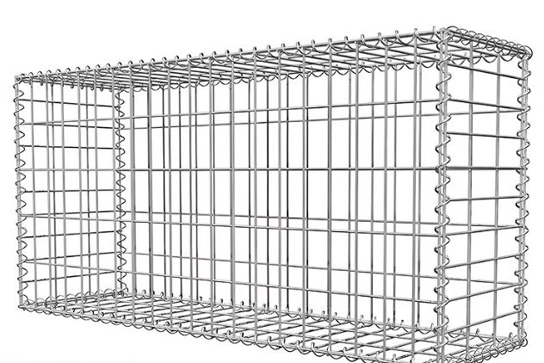
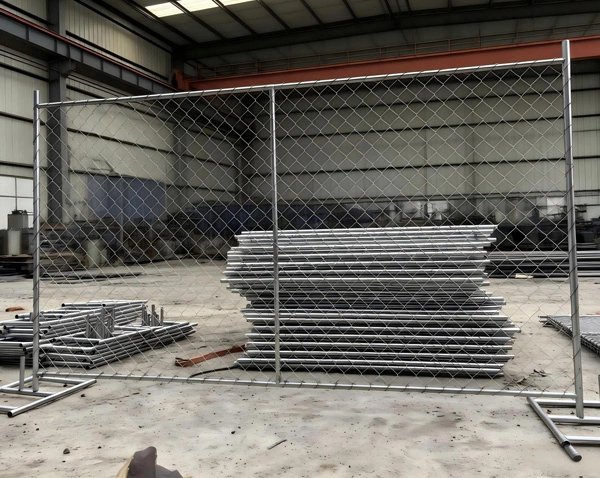
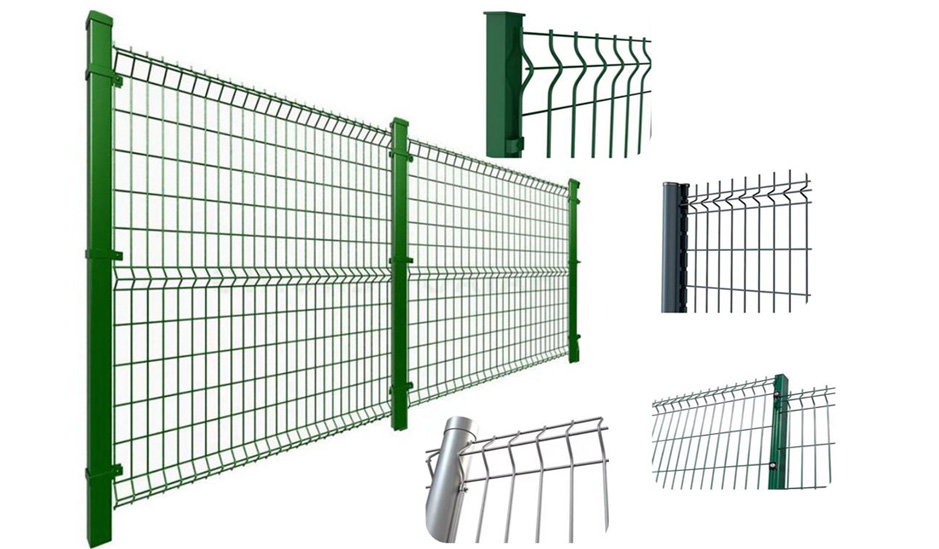
In the realm of industrial safety and operational efficiency, the implementation of effective barriers is paramount. One such solution that has gained significant traction in recent years is the use of industrial wire mesh barriers. These barriers not only provide a robust physical barrier but also offer flexibility, visibility, and durability. This report will explore key design considerations for implementing these barriers, ensuring they meet both safety and functional requirements.
The choice of material for an industrial wire mesh barrier is critical as it directly impacts the longevity and performance of the barrier. Common materials include galvanized steel, stainless steel, and aluminum. Galvanized steel offers excellent corrosion resistance, making it ideal for outdoor or humid environments. Stainless steel, on the other hand, provides superior strength and resistance to rust, suitable for high-traffic areas. Aluminum, while lighter, is less durable but can be a good option for applications where weight is a concern. The selection should be based on the specific environmental conditions and the expected load the barrier will bear. For instance, in a chemical processing plant, a stainless steel industrial wire mesh barrier would be more appropriate due to its resistance to corrosive substances.
One of the key advantages of industrial wire mesh barriers is their transparency, which allows for clear visibility. This is particularly important in industrial settings where maintaining line-of-sight is crucial for safety and operational oversight. However, the level of visibility can be adjusted by varying the mesh size. Smaller mesh sizes provide greater security and are better suited for areas where small objects need to be contained, such as in warehouses or manufacturing floors. Larger mesh sizes, while offering less security, provide better visibility and are often used in areas where visual monitoring is essential. Additionally, the aesthetic aspect should not be overlooked. The barrier should blend well with the overall industrial environment, and options for powder coating or painting can enhance both the appearance and the protective properties of the barrier.
The structural integrity of an industrial wire mesh barrier is paramount to its effectiveness. The design must ensure that the barrier can withstand the forces it may encounter, such as impacts from machinery or vehicles. Key factors to consider include the thickness of the wire, the spacing of the mesh, and the method of attachment. Thicker wires and smaller mesh spacings generally result in stronger barriers. The method of attachment, whether through welding, bolting, or clamping, should be chosen based on the specific application and the desired level of security. Proper installation is equally important. The barrier should be securely anchored to the ground or fixed structures to prevent any movement or collapse. In some cases, additional supports such as posts or frames may be necessary to ensure stability. Regular inspections and maintenance should also be part of the plan to address any wear and tear and to ensure the barrier remains in optimal condition.
Industrial environments often have unique requirements, and one-size-fits-all solutions may not always be suitable. Customization of industrial wire mesh barriers allows for tailored solutions that meet specific needs. This can include custom dimensions, specialized coatings, or even integrated features such as gates, doors, or access points. The adaptability of these barriers also means they can be easily modified or reconfigured as the layout of the industrial space changes. For example, if a new piece of equipment is introduced, the barrier can be adjusted to accommodate the new setup without compromising safety. Flexibility in design and installation is a key advantage, allowing for seamless integration into existing industrial processes.
Ensuring that industrial wire mesh barriers comply with relevant safety standards and regulations is crucial. Different industries have specific guidelines and requirements, and it is essential to consult these standards during the design and implementation phases. For example, in the United States, OSHA (Occupational Safety and Health Administration) provides guidelines for workplace safety, including the use of barriers. In Europe, EN (European Norm) standards apply. Compliance with these standards not only ensures legal adherence but also enhances the overall safety and reliability of the barrier. Regular audits and inspections should be conducted to verify that the barriers continue to meet the required standards. Training for employees on the proper use and maintenance of the barriers is also an important aspect of regulatory compliance.
In conclusion, the design and implementation of effective industrial wire mesh barriers require careful consideration of several factors, including material selection, visibility, structural integrity, customization, and regulatory compliance. By addressing these key aspects, industrial facilities can ensure that their barriers provide the necessary protection, functionality, and safety, contributing to a more secure and efficient working environment.


Leave a Reply