

 English
 China
China Thailand
 Malaysia
 Vietnam
 Laos
Laos Cambodia
 Pilipinas
 Indonesia
 Russian
 Portuguese
 Arabic
 Japanese
 Spanish
 Italian
 French
 German
News
- Home
- News
- Company News
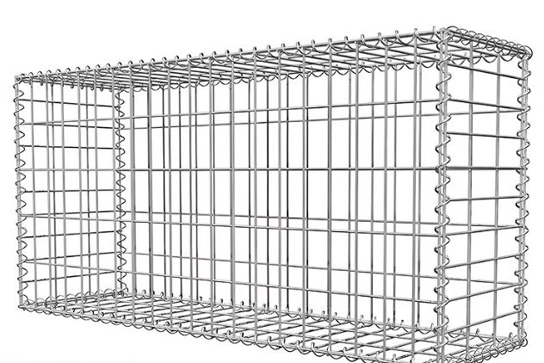
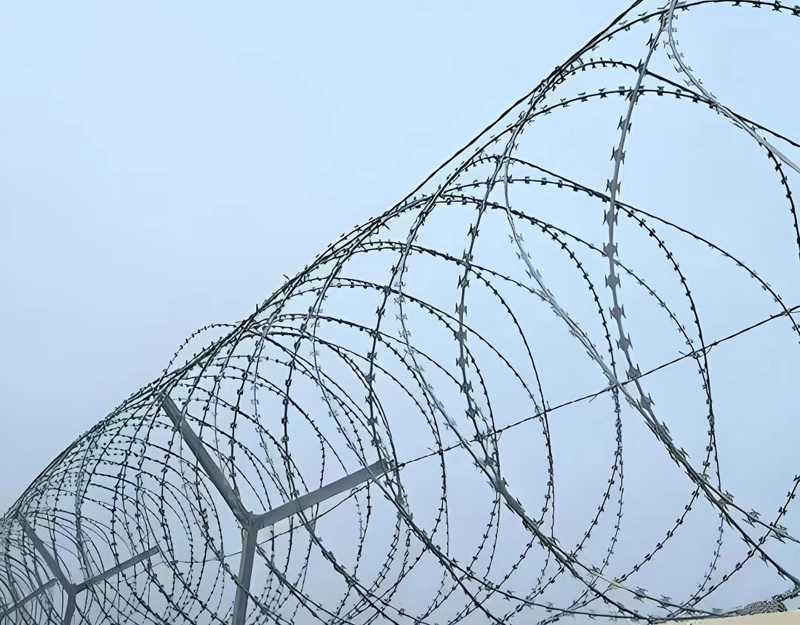
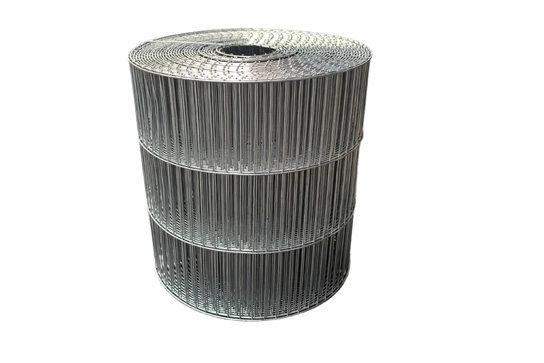
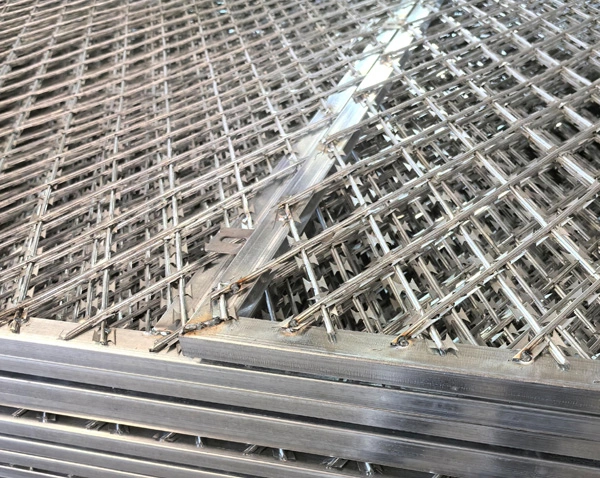
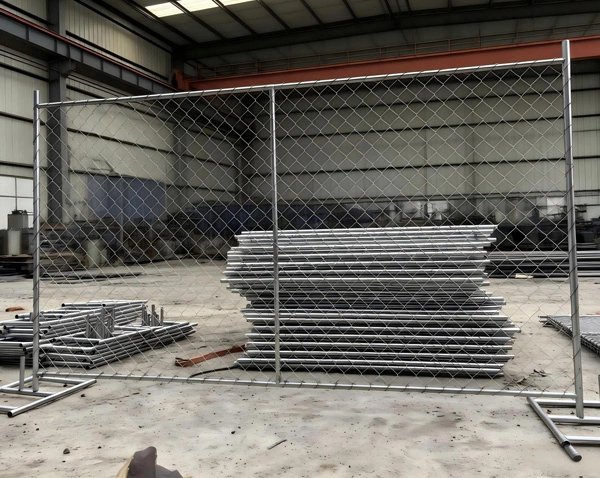
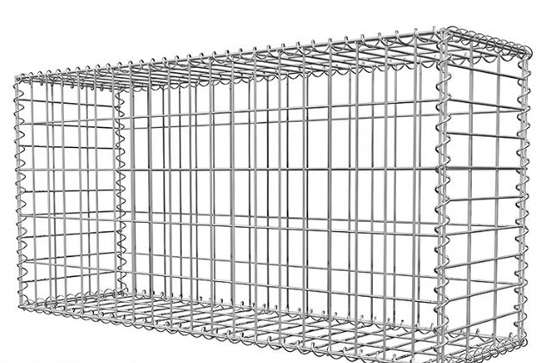
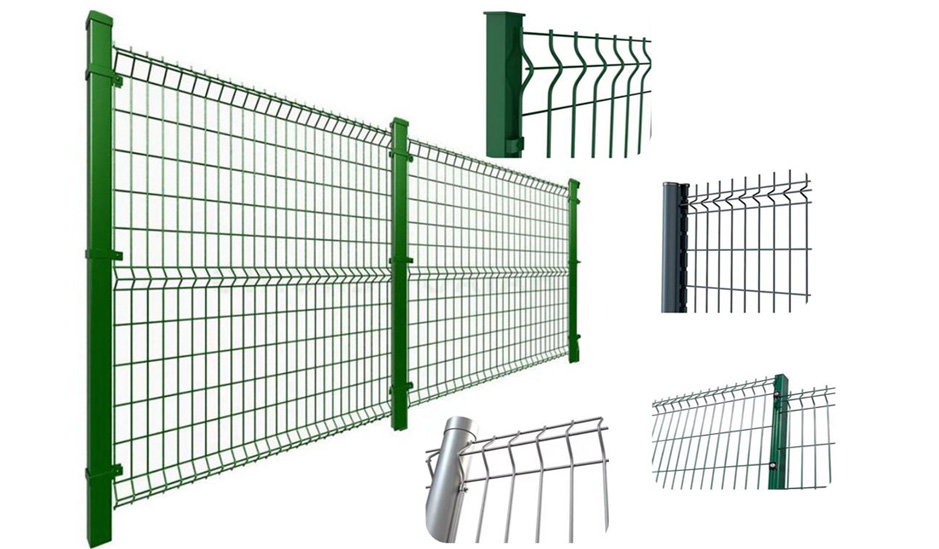
industrial wire mesh barrier, a versatile and robust solution, has found its way into numerous applications across modern construction. This material, known for its strength, durability, and flexibility, not only enhances safety but also contributes to the aesthetic appeal of various structures. In this report, we will explore several key aspects of industrial wire mesh barriers, highlighting their importance in today's architectural and engineering projects.
Over the years, the design and application of industrial wire mesh barriers have undergone significant transformations. Initially, these barriers were primarily used for security purposes, such as fencing around industrial sites or military installations. However, with advancements in manufacturing techniques and materials, their use has expanded beyond traditional boundaries. Today, they are employed in a wide range of settings, from urban infrastructure projects to residential areas, thanks to improvements in aesthetics and functionality. The evolution of industrial wire mesh barriers demonstrates how a simple concept can be adapted to meet diverse needs, making it an indispensable component in modern construction practices.
One of the most compelling reasons behind the widespread adoption of industrial wire mesh barriers is their exceptional material properties. Typically made from high-strength steel or other durable metals, these barriers offer outstanding resistance against corrosion, wear, and tear. This characteristic makes them ideal for outdoor applications where exposure to harsh environmental conditions is inevitable. Moreover, the open-weave structure of the mesh allows for excellent visibility while still providing a strong physical barrier. Such a combination of transparency and sturdiness opens up possibilities for creative uses, such as integrating greenery or artistic elements within the mesh, thereby enhancing both the functionality and visual appeal of spaces.
As sustainability becomes increasingly important in the construction industry, industrial wire mesh barriers present themselves as a viable option for eco-friendly designs. Their lightweight nature reduces transportation costs and carbon footprint compared to heavier alternatives like concrete walls. Additionally, when combined with living plants, these barriers can serve as vertical gardens, promoting biodiversity and improving air quality in urban environments. Furthermore, the recyclable nature of the materials used in their production aligns well with circular economy principles, making industrial wire mesh barriers a sustainable choice for forward-thinking architects and engineers.
Recent innovations in the design and installation of industrial wire mesh barriers have further expanded their utility. Modular systems, for instance, allow for easy assembly and disassembly, facilitating quick deployment in temporary setups or emergency situations. Advanced coating technologies provide enhanced protection against UV radiation and chemical damage, extending the lifespan of the barriers significantly. These technological advancements not only improve the performance of the barriers but also reduce maintenance requirements, offering long-term cost savings for project owners. By embracing these innovations, the construction sector can leverage industrial wire mesh barriers more effectively, driving efficiency and sustainability in building projects.
In conclusion, industrial wire mesh barriers stand out as a testament to the continuous evolution and adaptation of construction materials. From their origins as basic security measures to becoming integral parts of contemporary architectural visions, these barriers exemplify versatility and resilience. As the demand for sustainable, efficient, and aesthetically pleasing solutions grows, the role of industrial wire mesh in modern construction is set to expand even further, shaping the future of our built environment.


Leave a Reply