

 English
 China
China Thailand
 Malaysia
 Vietnam
 Laos
Laos Cambodia
 Pilipinas
 Indonesia
 Russian
 Portuguese
 Arabic
 Japanese
 Spanish
 Italian
 French
 German
News
- Home
- News
- Company News
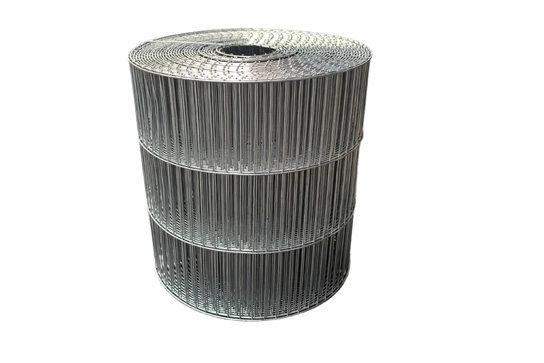
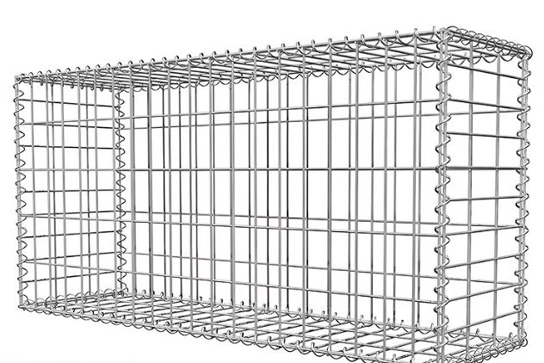
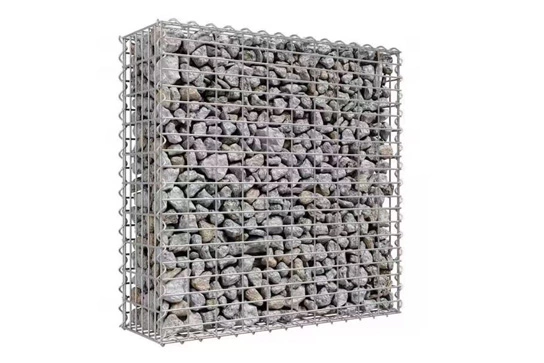
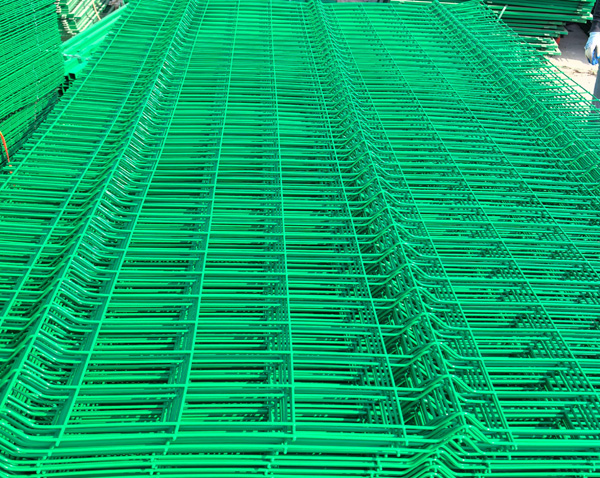
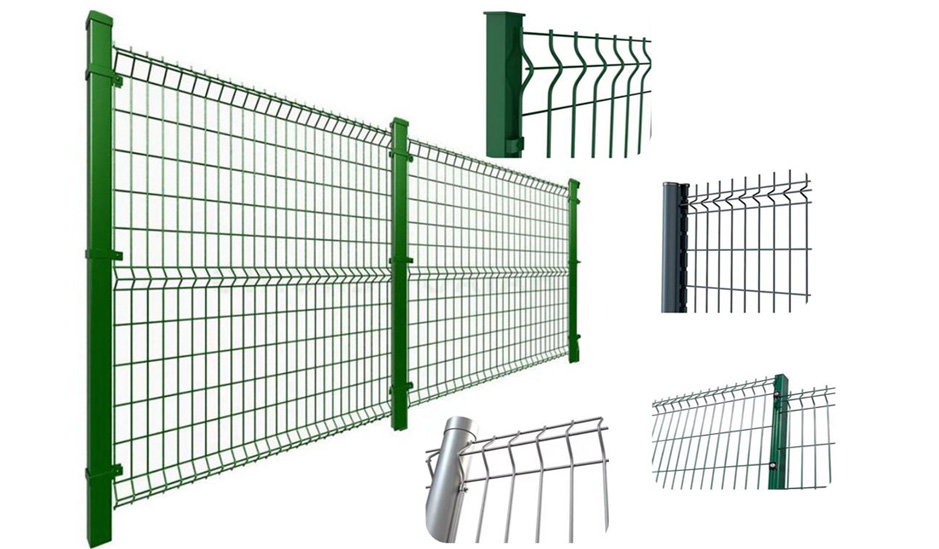
wire grid barriers are widely utilized in a variety of applications, from securing perimeters to protecting critical infrastructure. Ensuring the long-term durability and security of these barriers is essential for maintaining their effectiveness. This technical report aims to provide comprehensive guidance on how to secure wire grid barriers, focusing on materials, installation techniques, and maintenance practices.
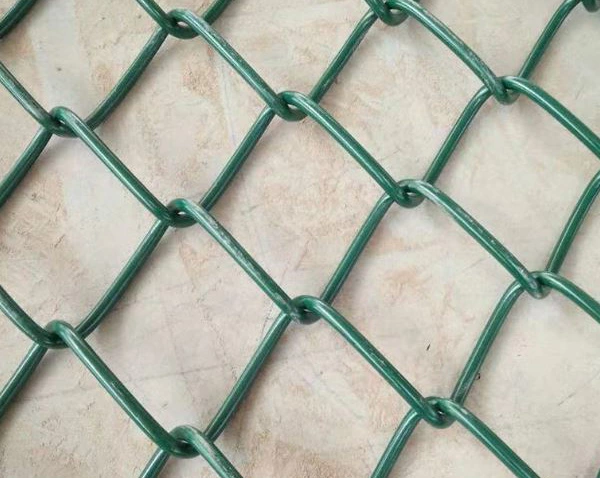
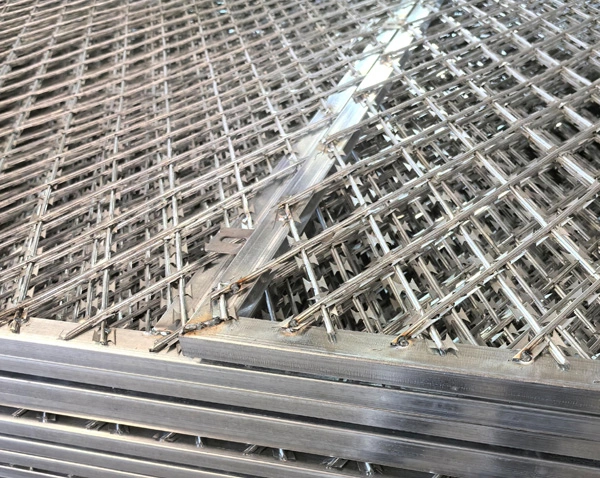
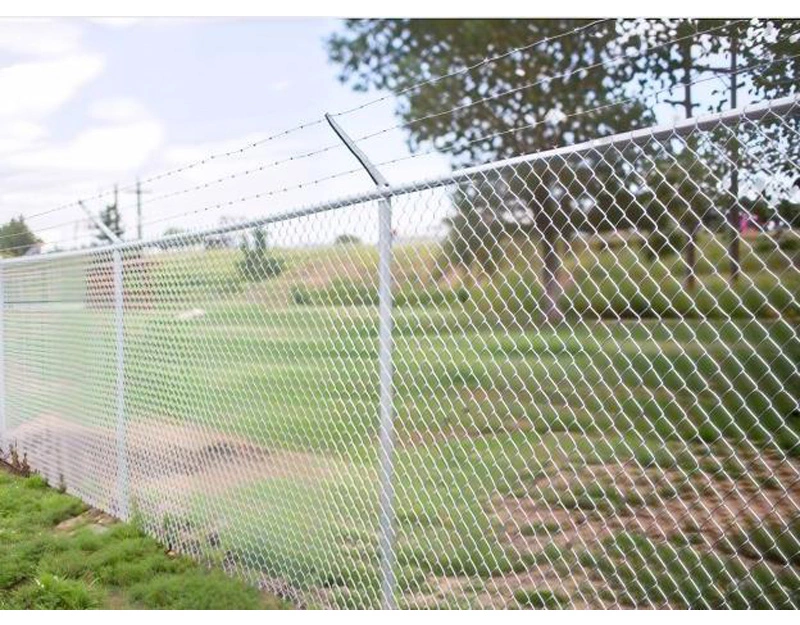
The foundation of any durable wire grid barrier begins with the selection of appropriate materials. High-quality steel or galvanized metal should be the primary choice due to their resistance to corrosion and physical damage. Additionally, it is crucial to consider the thickness and tensile strength of the wires. Thicker wires and higher tensile strength will enhance the overall structural integrity of the barrier, making it more resistant to cutting and bending. Furthermore, the use of anti-climb features, such as barbed wire or Razor wire, can significantly deter unauthorized access. It is also advisable to incorporate a protective coating, such as a powder coat or zinc plating, to further protect the barrier from environmental elements.
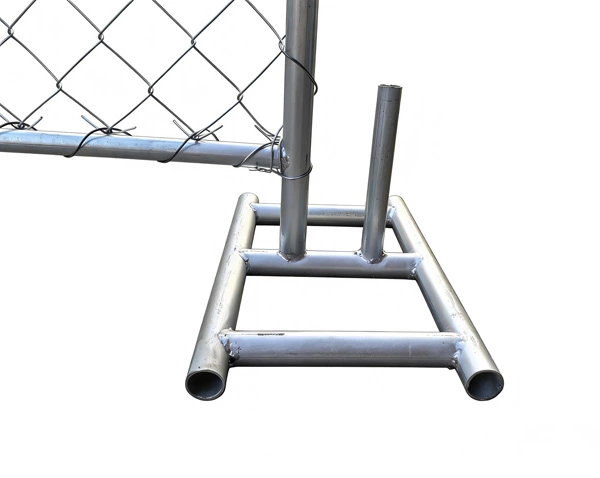
Installation is a critical phase in ensuring the security and longevity of wire grid barriers. The first step is to conduct a thorough site assessment to identify any potential vulnerabilities. This includes evaluating the terrain, soil type, and the presence of any obstacles. Proper ground preparation is essential; the area should be leveled, and any loose debris removed. Concrete footings or anchor points should be used to secure the posts, providing a stable base for the barrier. The spacing between posts should be consistent and adequate to prevent sagging or weakening of the wire grid. Additionally, the use of tensioning tools, such as ratchets or turnbuckles, ensures that the wire grid is taut and free from slack. Properly installed wire grid barriers should be inspected regularly to ensure that all connections and fastenings are secure.
Regular maintenance is key to extending the lifespan of wire grid barriers. Routine inspections should be conducted to check for signs of wear and tear, such as rust, corrosion, or damage from external forces. Any damaged sections should be repaired or replaced promptly to maintain the barrier's integrity. Cleaning the barrier periodically with a mild detergent and water can help remove dirt, grime, and other contaminants that may contribute to corrosion. Applying a fresh coat of protective paint or sealant every few years can also help preserve the barrier. In areas with high exposure to saltwater or corrosive environments, more frequent inspections and maintenance may be necessary. Additionally, keeping vegetation and debris away from the barrier can prevent moisture accumulation and reduce the risk of damage.
To further enhance the security of wire grid barriers, integrating them with advanced security systems is highly recommended. This can include the installation of perimeter intrusion detection systems (PIDS), which use sensors to detect and alert on any attempts to breach the barrier. Surveillance cameras can provide real-time monitoring and evidence in case of an incident. Motion-activated lighting can also serve as a deterrent, as it makes it difficult for intruders to operate undetected. Additionally, incorporating access control systems, such as electronic gates or biometric scanners, can restrict entry to authorized personnel only. These integrated security measures work in tandem with the physical barrier to create a multi-layered defense system, significantly enhancing the overall security of the protected area.
Ensuring that wire grid barriers meet relevant regulations and standards is crucial for both legal compliance and safety. Different regions may have specific requirements for fence height, visibility, and material specifications. It is important to consult local building codes and industry standards, such as those set by the American Society for Testing and Materials (ASTM) or the International Code Council (ICC). Compliance with these standards not only ensures that the barrier is safe and effective but also helps in avoiding potential legal issues. Regular audits and inspections by certified professionals can help verify that the barrier meets all necessary requirements. Additionally, maintaining documentation of the barrier's design, installation, and maintenance can be useful for future reference and compliance verification.
In conclusion, securing wire grid barriers for long-term durability and security involves a combination of selecting the right materials, employing proper installation techniques, implementing regular maintenance practices, integrating with advanced security systems, and ensuring compliance with regulations and standards. By following these guidelines, organizations can ensure that their wire grid barriers remain robust, reliable, and effective in protecting their assets and properties.

Leave a Reply