

 English
 China
China Thailand
 Malaysia
 Vietnam
 Laos
Laos Cambodia
 Pilipinas
 Indonesia
 Russian
 Portuguese
 Arabic
 Japanese
 Spanish
 Italian
 French
 German
News
- Home
- News
- Company News
When it comes to securing a construction site, event space, or any temporary area, choosing the right welded temporary fence panel is crucial. This type of fencing offers a robust solution for creating barriers that can be easily installed and removed as needed. In this technical report, we will explore key considerations when selecting welded temporary fence panels, emphasizing their material quality, security features, and installation flexibility. By understanding these aspects, you can make an informed decision that best meets your project’s requirements.
The longevity and reliability of a welded temporary Fence panel are heavily dependent on its material composition. High-quality materials not only ensure the fence withstands harsh environmental conditions but also resists vandalism and unauthorized access. Common materials used in the manufacturing of these panels include galvanized steel, aluminum, and sometimes even stainless steel. Each material has its own set of advantages and limitations, making it essential to choose one that aligns with your specific needs.
Galvanized steel, for instance, is known for its exceptional strength and resistance to corrosion, making it ideal for long-term outdoor use. Aluminum, on the other hand, offers a lightweight yet durable option, which is particularly useful for projects requiring frequent relocation of the fence. Stainless steel, while more expensive, provides unparalleled durability and aesthetic appeal, often preferred for high-end or highly visible applications. Assessing the expected lifespan of your project, along with the environmental factors, will guide you in selecting the most suitable material.
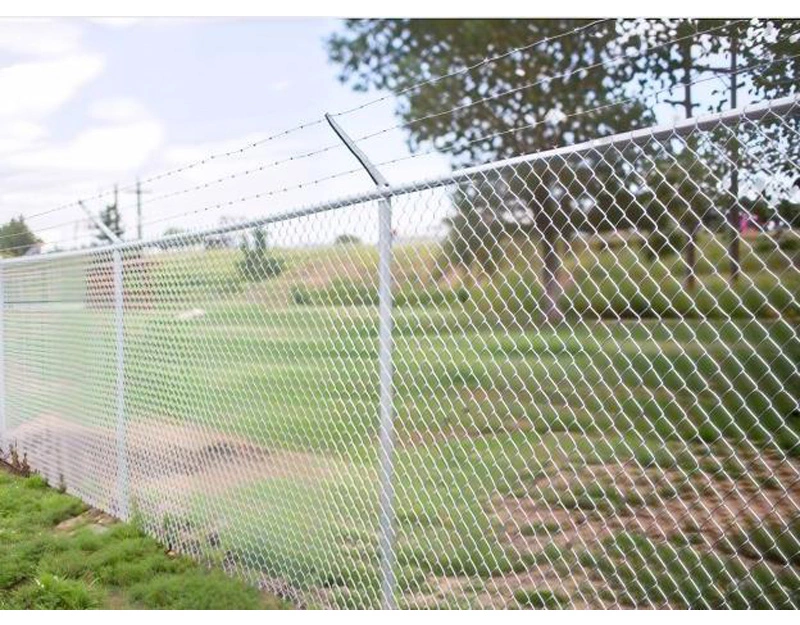
One of the primary functions of a Welded temporary fence panel is to provide a secure perimeter around the designated area. Therefore, evaluating the security features of the fence is paramount. Key elements to consider include the height of the panels, the presence of anti-climb features, and the overall design integrity. Panels typically range from 4 to 8 feet in height, with taller options offering better deterrence against intruders. Anti-climb designs, such as top spikes or barbed wire, further enhance the security by making it difficult for individuals to scale the fence.
Additionally, the welds and connections between the panels should be thoroughly inspected. A well-constructed welded temporary fence panel will have strong, consistent welds that prevent tampering and maintain structural integrity. Some manufacturers also offer additional security measures, like reinforced frames or integrated locking mechanisms, which can significantly boost the overall security of the fence. Ensuring that the fence is designed with these features in mind will help protect your assets and maintain a safe environment.
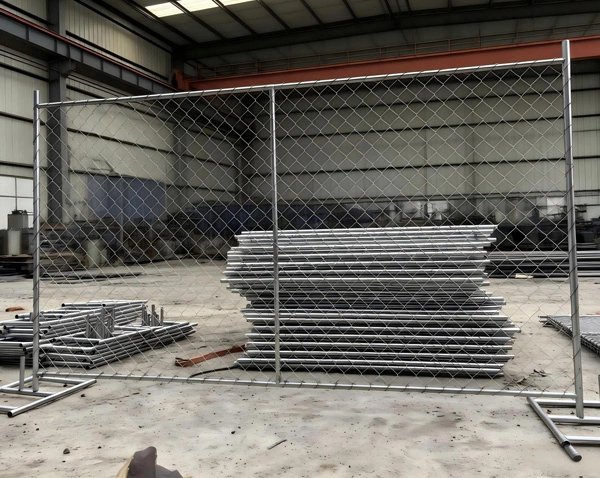
The ease of installation and adaptability of a welded temporary fence panel are critical factors, especially for projects with evolving requirements. Temporary fences are designed to be portable and easy to set up, allowing for quick deployment and removal. However, the actual ease of installation can vary depending on the design and the accessories provided. Panels that come with pre-drilled holes, adjustable feet, and modular components are generally easier to install and can be adapted to various terrains and configurations.
Moreover, the availability of different mounting options, such as ground stakes, concrete blocks, or base plates, can greatly influence the flexibility of the fence. Ground stakes are ideal for soft surfaces like grass or soil, while concrete blocks or base plates are better suited for hard surfaces like asphalt or concrete. Some systems also offer wheeled bases for added mobility, which can be particularly useful for events or construction sites that require frequent repositioning of the fence. Considering the specific conditions and requirements of your project will help you select a welded temporary fence panel that is both functional and adaptable.
While the initial cost of a welded temporary fence panel is an important consideration, it is equally crucial to evaluate the long-term cost-effectiveness of the product. Factors such as maintenance, replacement, and the potential for reuse should be taken into account. High-quality materials, although initially more expensive, often result in lower maintenance costs and a longer lifespan, ultimately providing better value for money. Additionally, some manufacturers offer rental or leasing options, which can be a cost-effective solution for short-term projects.
It is also worth considering the potential savings in labor and time associated with the installation and dismantling of the fence. Panels that are designed for quick and easy assembly can significantly reduce the need for specialized labor, thereby lowering overall project costs. Furthermore, the ability to reuse the fence in future projects can provide substantial cost savings over time. By carefully assessing the total cost of ownership, you can ensure that the welded temporary fence panel you choose is both budget-friendly and high-performing.
Ensuring that your welded temporary fence panel complies with relevant safety and regulatory standards is essential for maintaining a safe and legally compliant environment. Different regions and industries may have specific requirements for Temporary Fencing, such as height, visibility, and stability. It is important to familiarize yourself with these regulations and choose a fence that meets or exceeds them. Many manufacturers provide certifications and compliance documentation, which can be invaluable in demonstrating adherence to local and industry-specific standards.
Additionally, the fence should be designed to minimize the risk of accidents and injuries. This includes features such as rounded edges, non-slip surfaces, and clear signage. Regular inspections and maintenance are also crucial to ensure the fence remains in good condition and continues to meet safety standards throughout its use. By prioritizing compliance and safety, you can create a secure and legally sound environment for your project.
In conclusion, selecting the right welded temporary fence panel involves a comprehensive evaluation of material quality, security features, installation flexibility, cost-effectiveness, and compliance with safety standards. By carefully considering these factors, you can choose a fence that not only meets the immediate needs of your project but also provides long-term value and peace of mind. Whether you are securing a construction site, managing an event, or creating a temporary barrier, the right welded temporary fence panel is a critical component in ensuring the success and safety of your endeavor.

Leave a Reply