

 English
 China
China Thailand
 Malaysia
 Vietnam
 Laos
Laos Cambodia
 Pilipinas
 Indonesia
 Russian
 Portuguese
 Arabic
 Japanese
 Spanish
 Italian
 French
 German
News
- Home
- News
- Company News
Steel mesh, an often overlooked yet crucial component in the construction industry, plays a vital role in enhancing the strength, durability, and safety of various structures. This report delves into the benefits of using steel mesh in Construction Barriers, exploring its applications, advantages, and the impact it has on modern construction practices. By understanding these aspects, stakeholders can make informed decisions that not only improve the quality of their projects but also contribute to safer and more sustainable construction environments.
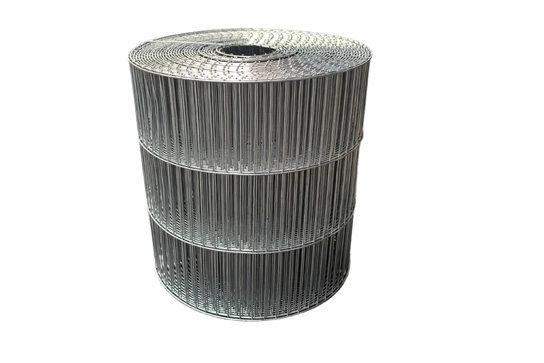
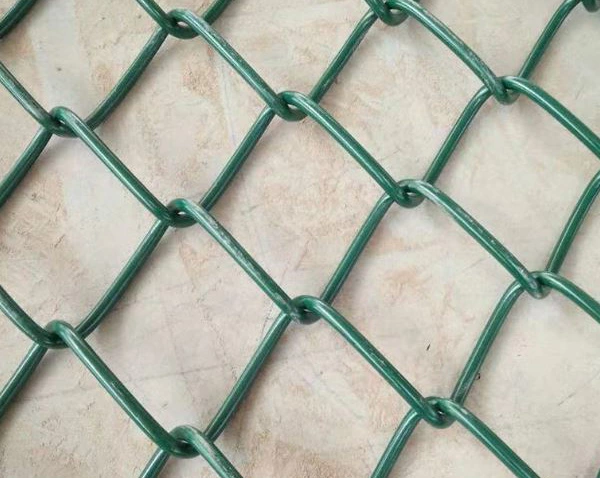
One of the primary reasons for incorporating steel mesh into construction barriers is to enhance the structural integrity of the barrier itself. Steel mesh, composed of interwoven or welded steel wires, provides a robust framework that significantly increases the tensile strength of the barrier. This added strength is particularly important in areas where the barrier may be subjected to high levels of stress, such as in highway medians, construction sites, or security perimeters.
The use of steel mesh in construction barriers helps to distribute loads more evenly across the structure, reducing the risk of localized failure. For example, in concrete barriers, the inclusion of steel mesh reinforces the concrete, making it more resistant to cracking and deformation. This is especially beneficial in regions with seismic activity, where the ability to withstand ground movements is critical.
Moreover, the flexibility of steel mesh allows it to absorb and dissipate energy from impacts, thereby reducing the likelihood of catastrophic failures. This characteristic makes steel mesh an ideal choice for temporary barriers used in roadwork zones, where the potential for vehicle collisions is high.
Another significant advantage of using steel mesh in construction barriers is the increased durability and longevity it offers. Steel, being a highly durable material, can withstand harsh environmental conditions, including exposure to UV radiation, extreme temperatures, and corrosive elements. When properly treated and coated, steel mesh can resist corrosion and maintain its structural integrity over extended periods.
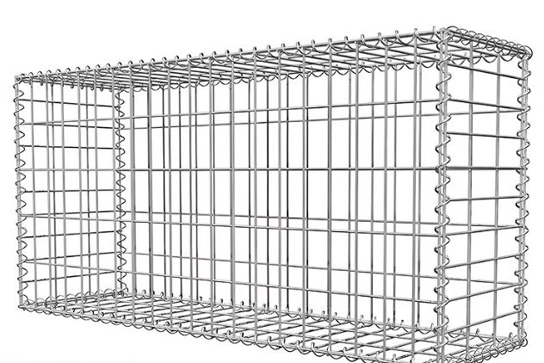
In addition to its inherent durability, steel mesh also contributes to the overall longevity of the barrier by providing a protective layer against wear and tear. For instance, in gabion walls, which are commonly used in erosion control and landscaping, the steel mesh acts as a containment system for rocks or other fill materials. The mesh prevents the fill from shifting or eroding, ensuring that the wall remains stable and effective over time.
Furthermore, the use of galvanized or stainless steel mesh can further enhance the barrier's resistance to corrosion, making it suitable for use in coastal areas or other environments where saltwater exposure is a concern. This not only extends the lifespan of the barrier but also reduces maintenance costs, as the need for frequent repairs or replacements is minimized.
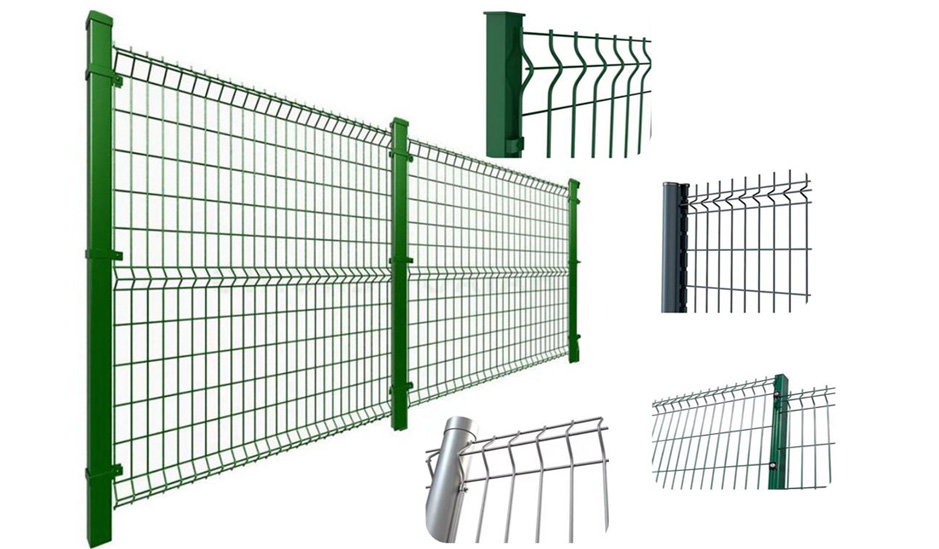
Safety and security are paramount in any construction project, and the use of steel mesh in construction barriers can significantly contribute to both. Steel mesh provides a physical barrier that is difficult to penetrate, making it an effective deterrent against unauthorized access, vandalism, and theft. This is particularly important in construction sites where valuable equipment and materials are stored.
In addition to its physical properties, steel mesh can also be integrated with other security features, such as surveillance systems, to create a comprehensive security solution. For example, in perimeter fencing, the steel mesh can be combined with sensors and cameras to monitor and alert security personnel to any breaches or suspicious activities. This integration enhances the overall security of the site and provides peace of mind to project managers and property owners.
Moreover, the visibility provided by steel mesh is another key factor in improving safety. Unlike solid barriers, which can obstruct sightlines and create blind spots, steel mesh allows for clear visibility, enabling better monitoring and communication between workers and security personnel. This is especially important in high-traffic areas or during nighttime operations, where visibility can be a critical factor in preventing accidents and ensuring the safety of all individuals on the site.
While the initial investment in steel mesh for construction barriers may be higher compared to some alternative materials, the long-term cost-effectiveness and sustainability of steel mesh make it a worthwhile investment. The durability and longevity of steel mesh mean that it requires less frequent replacement, resulting in lower maintenance and replacement costs over the life of the barrier.
Additionally, the use of recycled steel in the production of steel mesh contributes to its sustainability. Many manufacturers now use a significant percentage of recycled steel in their products, reducing the environmental impact associated with raw material extraction and processing. This not only aligns with growing environmental concerns but also supports the circular economy, where resources are reused and repurposed to minimize waste.
Furthermore, the ease of installation and adaptability of steel mesh can lead to cost savings in labor and time. Steel mesh can be easily cut, shaped, and installed, allowing for quick and efficient construction of barriers. This is particularly advantageous in large-scale projects or in situations where rapid deployment is necessary, such as in emergency response scenarios.
The incorporation of steel mesh in construction barriers offers numerous benefits, including enhanced structural integrity, increased durability and longevity, improved safety and security, and cost-effectiveness and sustainability. These advantages make steel mesh a valuable and versatile material in the construction industry, capable of addressing a wide range of needs and challenges. As the demand for more resilient and sustainable construction solutions continues to grow, the use of steel mesh in construction barriers is likely to become even more prevalent, contributing to the development of safer, more durable, and environmentally friendly infrastructure.


Leave a Reply