

 English
 China
China Thailand
 Malaysia
 Vietnam
 Laos
Laos Cambodia
 Pilipinas
 Indonesia
 Russian
 Portuguese
 Arabic
 Japanese
 Spanish
 Italian
 French
 German
News
- Home
- News
- Company News
A Comprehensive Guide on Selecting the Right Steel Mesh for Your Construction Barrier
When it comes to ensuring safety and security at a construction site, the right construction barrier with steel mesh is an essential element. A well-chosen steel mesh not only provides physical protection but also enhances visibility, durability, and overall project efficiency. This guide will walk you through the key considerations and criteria for selecting the most suitable steel mesh for your construction barrier.
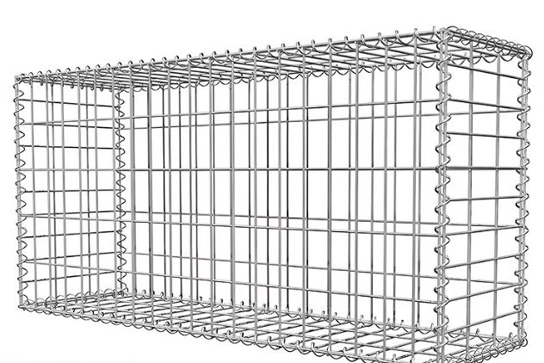
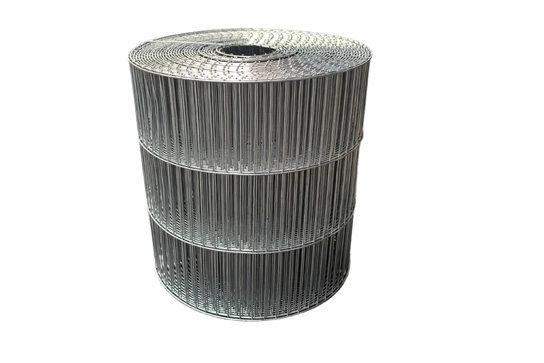
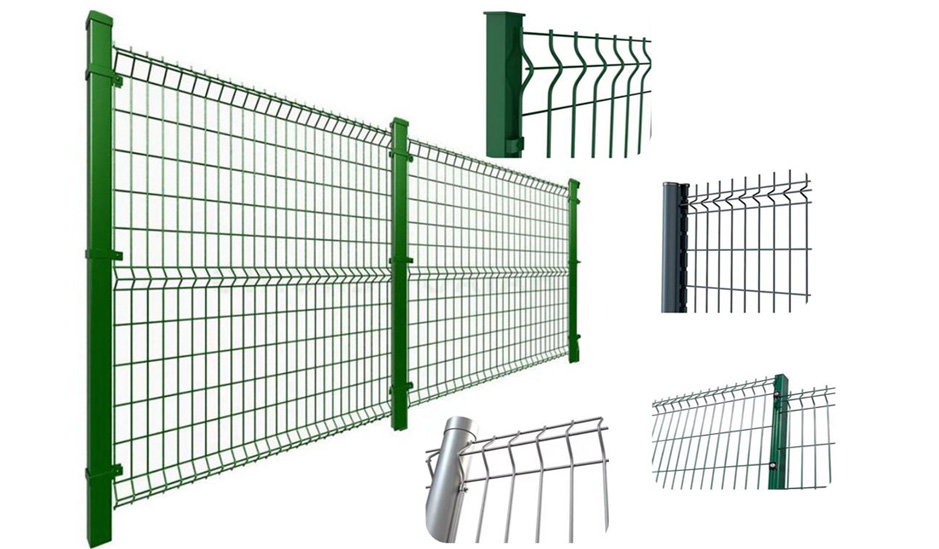
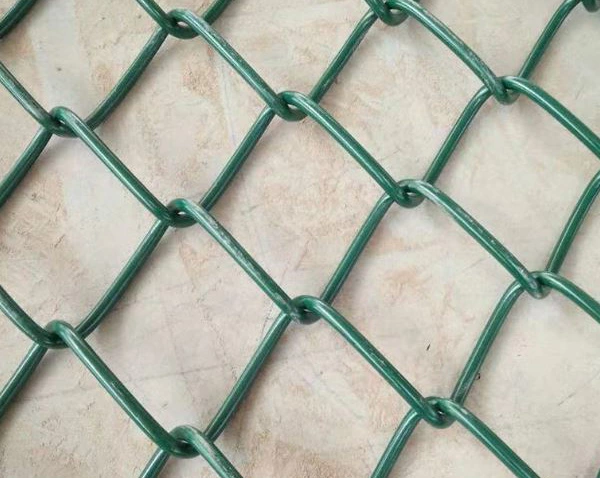
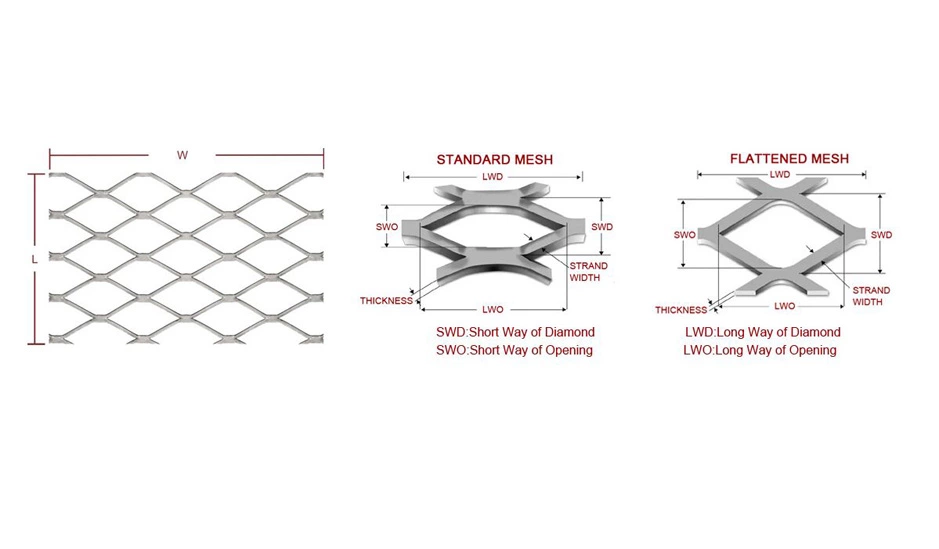
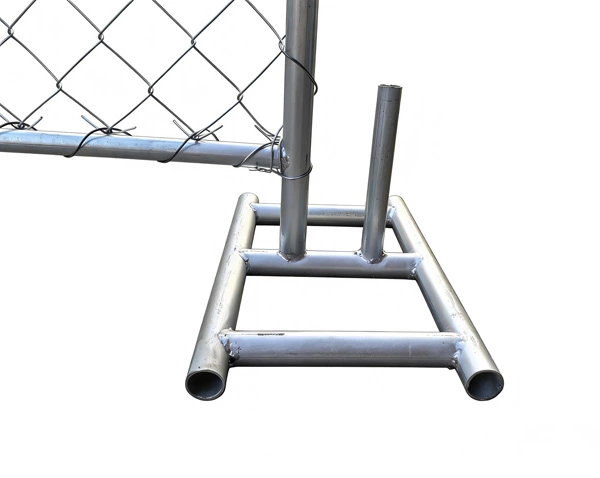
Steel mesh comes in various forms, each designed to meet specific needs. The primary types include welded wire mesh, chain link fencing, and expanded metal. Welded wire mesh is made by welding wires at their intersections, creating a strong and rigid structure. Chain link fencing, on the other hand, consists of intertwined wires that form a flexible yet durable barrier. Expanded metal is created by cutting and stretching a sheet of metal, resulting in a diamond-shaped pattern. Each type has its own advantages and is suited for different applications. For instance, welded wire mesh is ideal for high-security areas due to its robustness, while chain link fencing is more commonly used for general perimeter control. Understanding these differences is crucial for making an informed decision.
The strength and durability of the steel mesh are paramount, especially in construction environments where barriers are exposed to harsh conditions. Factors such as the gauge (thickness) of the wire, the quality of the steel, and the manufacturing process all contribute to the overall durability. High-gauge wire, typically 14 or 16, offers better resistance to impacts and wear. Additionally, galvanized or coated steel mesh can provide enhanced protection against corrosion, extending the lifespan of the barrier. It's important to assess the environmental conditions of the construction site, such as exposure to moisture, salt, and chemicals, to determine the appropriate level of protection needed. Regular maintenance and inspection can also help ensure the long-term integrity of the steel mesh.
While the primary function of a construction barrier with steel mesh is to provide security, visibility and aesthetics should not be overlooked. Clear visibility is crucial for maintaining a safe work environment, as it allows workers and supervisors to see potential hazards and monitor the site effectively. Steel mesh with larger openings, such as chain link fencing, generally offers better visibility compared to smaller, more tightly woven meshes. However, the trade-off is often reduced privacy and security. In terms of aesthetics, the appearance of the steel mesh can impact the overall look of the construction site. Some projects may require a more visually appealing solution, such as powder-coated or painted steel mesh, which can blend in with the surroundings or match the branding of the company. Balancing these factors is key to achieving a functional and visually pleasing construction barrier.
Budget constraints and ease of installation are critical factors when selecting the right steel mesh for your construction barrier. While some types of steel mesh may be more expensive upfront, they can offer significant cost savings over time due to their durability and low maintenance requirements. For example, high-quality, galvanized steel mesh may have a higher initial cost but can last longer and require fewer replacements. Additionally, the installation process should be straightforward and efficient to minimize downtime and labor costs. Welded wire mesh, for instance, is often easier to install than chain link fencing, as it does not require weaving and can be attached directly to posts. Pre-fabricated panels can further simplify the installation process, reducing the time and effort required. Evaluating these factors will help you choose a cost-effective and practical solution for your construction barrier.
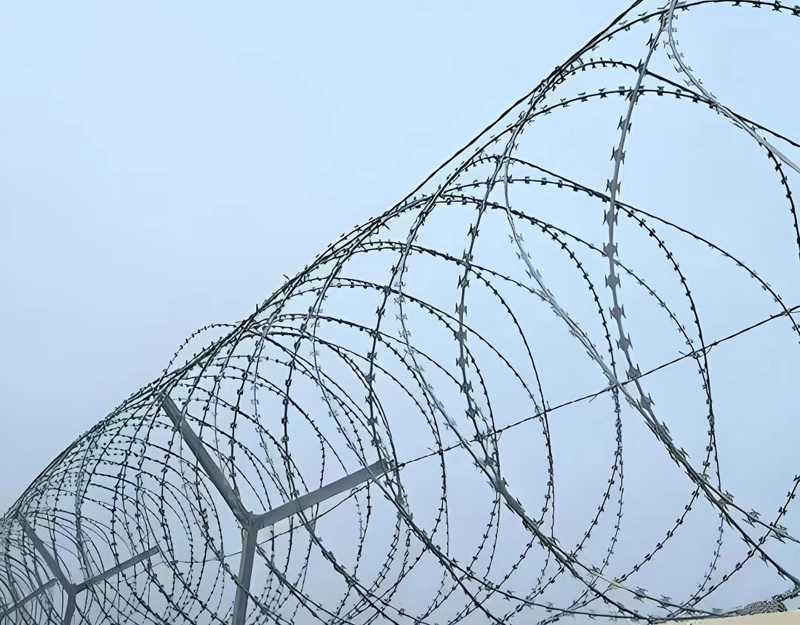
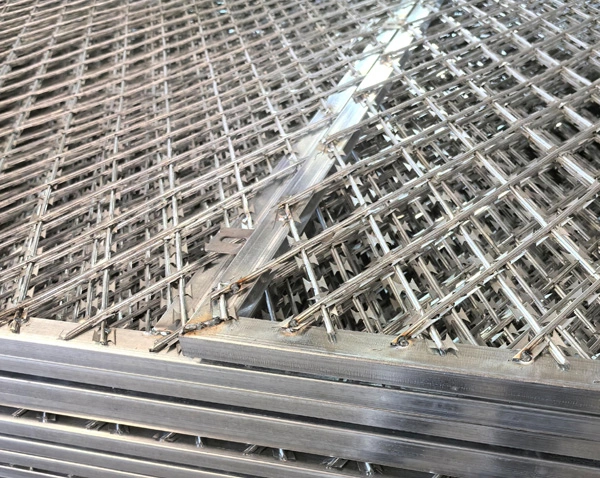
Ensuring that your construction barrier with steel mesh complies with relevant safety standards and regulations is non-negotiable. Different regions and industries have specific requirements that must be met to ensure the safety of workers and the public. For example, OSHA (Occupational Safety and Health Administration) in the United States sets guidelines for construction site safety, including the height and strength of barriers. It's important to consult local building codes and industry standards to ensure that your chosen steel mesh meets all necessary requirements. Additionally, some projects may require specialized barriers, such as those with anti-climb features or additional reinforcement, to comply with specific regulations. Working with a reputable supplier who understands these standards can help ensure that your construction barrier is both effective and compliant.
In conclusion, selecting the right steel mesh for your construction barrier involves a thorough evaluation of various factors, including the type of mesh, its strength and durability, visibility and aesthetics, cost-effectiveness, and compliance with safety standards. By carefully considering these aspects, you can ensure that your construction barrier provides the necessary security, functionality, and visual appeal, ultimately contributing to a safer and more efficient construction site.
Leave a Reply