

 English
 China
China Thailand
 Malaysia
 Vietnam
 Laos
Laos Cambodia
 Pilipinas
 Indonesia
 Russian
 Portuguese
 Arabic
 Japanese
 Spanish
 Italian
 French
 German
News
- Home
- News
- Company News
This technical report provides a comprehensive overview of traffic safety products, focusing on their importance in enhancing road safety. The document delves into various types of traffic safety measures, including the use of fine mesh for protective barriers, and explores how these products contribute to reducing accidents and saving lives. It also discusses the latest advancements in technology and materials used in the manufacturing of these safety products, emphasizing their durability and effectiveness. This guide is essential for anyone involved in traffic management, urban planning, or public safety, offering insights into the best practices and innovative solutions available in the market.
Traffic safety products play a crucial role in minimizing the risk of accidents on roads. These products, ranging from reflective vests to advanced traffic signal systems, are designed to improve visibility, manage traffic flow, and protect both pedestrians and drivers. By implementing these safety measures, communities can significantly reduce the number of accidents and fatalities on the roads.
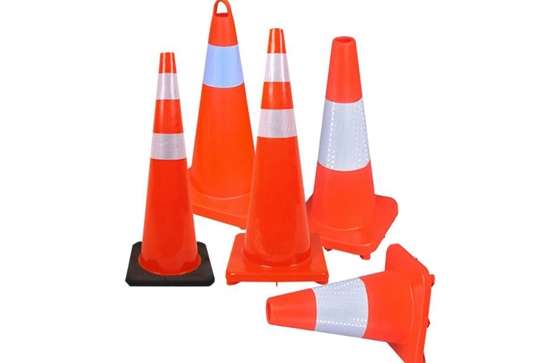
There is a wide array of traffic safety products available, each serving a specific purpose. Reflective cones, warning signs, and barriers are some of the most common types. Additionally, more sophisticated products like smart traffic lights and automated speed detection systems are becoming increasingly popular. Understanding the different types of traffic safety products and their applications is essential for effective road safety management.
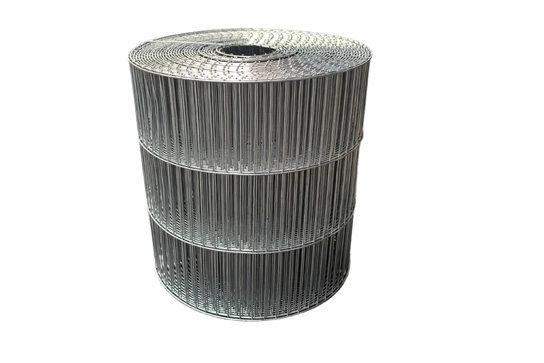
Recent advancements in material science have led to the development of more durable and resilient traffic safety products. For instance, the use of fine mesh in protective barriers has improved their ability to withstand harsh weather conditions and physical impacts. These materials not only enhance the longevity of the products but also ensure that they remain effective over time.
The integration of smart technologies, such as sensors and IoT (Internet of Things) devices, has revolutionized the field of traffic safety. These technologies enable real-time monitoring and data collection, allowing for better decision-making and quicker response times. For example, smart traffic lights can adjust their timing based on traffic flow, reducing congestion and improving overall safety.
Visibility is a critical factor in road safety, and reflective materials play a significant role in enhancing it. Reflective vests, signs, and markers are designed to reflect light back to its source, making them highly visible to drivers and pedestrians. This increased visibility helps to prevent accidents, especially in low-light conditions or areas with poor visibility.
High-visibility colors and patterns, such as fluorescent yellow and orange, are widely used in traffic safety products. These colors are easily noticeable and help to draw attention to potential hazards. Additionally, the use of contrasting patterns, such as stripes, further enhances visibility and helps to differentiate between different types of safety equipment.
Fine mesh is an innovative material used in the construction of protective barriers. These barriers are designed to absorb and dissipate the energy of impact, reducing the severity of collisions. The fine mesh structure allows for flexibility while maintaining strength, making it an ideal choice for high-impact areas such as highways and construction sites.
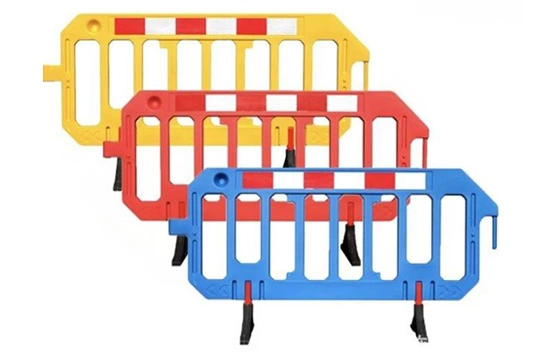
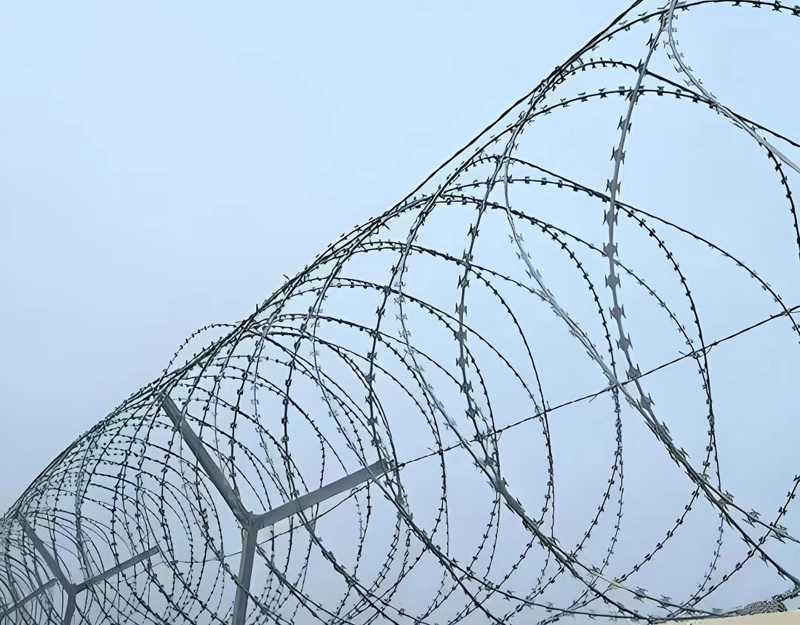
Aside from fine mesh barriers, there are several other types of barriers used in traffic safety. Concrete barriers, for example, are commonly used in urban areas to separate lanes and protect pedestrians. Water-filled barriers are another option, providing a flexible and portable solution for temporary road closures and work zones. Each type of barrier has its unique advantages and is chosen based on the specific needs of the environment.
The effectiveness of traffic safety products largely depends on their proper installation and regular maintenance. Ensuring that products are installed correctly and regularly inspected for wear and tear is crucial. This includes checking for any damage to reflective materials, ensuring that barriers are securely in place, and replacing any worn-out or damaged components promptly.
Training and education are key components of successful traffic safety product implementation. Providing training to road workers, law enforcement officers, and other relevant personnel on the proper use and maintenance of these products is essential. Additionally, educating the general public about the importance of traffic safety and the role of these products in protecting them can lead to greater awareness and compliance.


Leave a Reply