

 English
 China
China Thailand
 Malaysia
 Vietnam
 Laos
Laos Cambodia
 Pilipinas
 Indonesia
 Russian
 Portuguese
 Arabic
 Japanese
 Spanish
 Italian
 French
 German
News
- Home
- News
- Company News
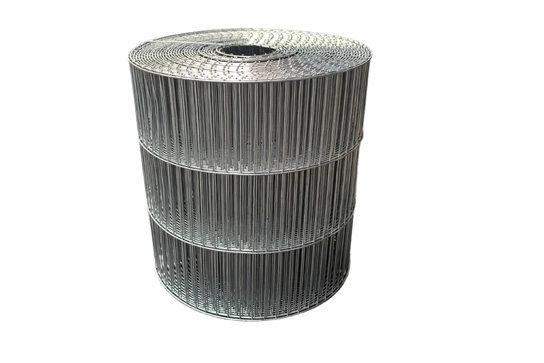
With the increasing demand for detailed protection in various industries, fine mesh solutions have become a crucial component in ensuring safety and efficiency. This technical report explores the application of fine mesh in different sectors, highlighting its benefits and the challenges it addresses. The report will delve into the importance of material selection, design considerations, and the integration of fine mesh with existing systems. Additionally, it will discuss the role of fine mesh in environmental protection and its impact on operational costs. By providing a comprehensive analysis, this report aims to offer valuable insights for professionals and decision-makers looking to implement fine mesh solutions.
When selecting materials for fine mesh, it is essential to understand the properties that each material offers. Common materials used in fine mesh include stainless steel, aluminum, and synthetic fibers. Stainless steel is known for its durability and resistance to corrosion, making it ideal for harsh environments. Aluminum, on the other hand, is lightweight and easy to work with, suitable for applications where weight is a concern. Synthetic fibers, such as nylon and polyester, are often used in filtration and separation processes due to their flexibility and chemical resistance. Each material has its unique characteristics, and the choice should be based on the specific requirements of the application.
The longevity and maintenance of fine mesh are critical factors to consider during the material selection process. High-quality materials, such as stainless steel, can withstand prolonged exposure to corrosive substances and extreme temperatures, extending the lifespan of the mesh. Regular maintenance, including cleaning and inspection, is also essential to ensure the continued effectiveness of the mesh. Proper maintenance can prevent clogging and damage, reducing the need for frequent replacements and lowering overall operational costs.
The size and distribution of pores in fine mesh play a significant role in its performance. The mesh size must be carefully selected to match the specific needs of the application. For example, in filtration systems, a smaller mesh size is required to capture finer particles, while a larger mesh size may be sufficient for applications that require coarser filtration. The uniformity of pore distribution is equally important, as it ensures consistent flow and prevents the formation of pressure drops. Advanced manufacturing techniques, such as laser cutting and electroforming, can be used to achieve precise and uniform pore sizes.
Ensuring the structural integrity and durability of fine mesh is crucial for its long-term performance. The mesh must be designed to withstand the mechanical stresses and environmental conditions it will be exposed to. Factors such as tensile strength, flexibility, and thermal stability should be considered. Additionally, the design should incorporate features that enhance durability, such as reinforced edges and robust mounting systems. These features can help prevent tearing, deformation, and other forms of damage, ensuring that the mesh remains effective over an extended period.
Integrating fine mesh into existing systems requires careful consideration of compatibility with the current infrastructure. The mesh must be designed to fit seamlessly into the system without requiring extensive modifications. This includes ensuring that the dimensions, connection points, and mounting mechanisms are compatible with the existing setup. Compatibility can be achieved through custom fabrication or by using standard components that can be easily adapted to the system. Proper integration ensures that the fine mesh solution can be implemented efficiently, minimizing downtime and reducing installation costs.
To optimize the performance and efficiency of fine mesh, it is essential to consider the overall system design. The mesh should be integrated in a way that maximizes its effectiveness while minimizing any potential negative impacts. For example, in air filtration systems, the placement of the mesh should be such that it provides optimal airflow and particle capture. In liquid filtration, the mesh should be positioned to ensure uniform flow and prevent clogging. Additionally, the use of advanced monitoring and control systems can help in real-time performance tracking and adjustment, further enhancing the efficiency of the fine mesh solution.
Fine mesh plays a vital role in reducing emissions and contaminants in various industrial processes. In air pollution control, fine mesh filters can capture particulate matter, volatile organic compounds (VOCs), and other harmful substances, preventing them from being released into the atmosphere. Similarly, in water treatment, fine mesh can be used to remove suspended solids, bacteria, and other contaminants, ensuring that the water meets regulatory standards. By effectively filtering out these pollutants, fine mesh helps in protecting the environment and promoting sustainable practices.
The use of fine mesh in environmental protection aligns with sustainable practices and compliance with environmental regulations. Many industries are subject to stringent emission and discharge limits, and fine mesh solutions can help in meeting these requirements. By implementing fine mesh, companies can demonstrate their commitment to environmental stewardship and corporate responsibility. Additionally, the use of fine mesh can lead to cost savings by reducing the need for additional treatment processes and minimizing the risk of fines and penalties associated with non-compliance. Sustainable practices not only benefit the environment but also contribute to the long-term success and reputation of the company.
One of the key benefits of fine mesh solutions is the potential for significant cost savings. Efficient filtration provided by fine mesh can reduce the need for frequent maintenance and replacement, leading to lower operational costs. For example, in HVAC systems, fine mesh filters can extend the life of the equipment by preventing the buildup of dust and debris, reducing the frequency of filter changes and system cleanings. In industrial processes, fine mesh can improve the quality of the final product by removing impurities, thereby reducing waste and rework. These cost savings can have a substantial impact on the overall profitability of the operation.
While the initial investment in fine mesh solutions may be higher compared to traditional methods, the long-term financial benefits often outweigh the upfront costs. The durability and longevity of fine mesh, combined with its ability to enhance system performance, can result in significant cost savings over time. Additionally, the reduction in maintenance and replacement costs, as well as the potential for increased productivity and reduced waste, can provide a strong return on investment. Companies that invest in high-quality fine mesh solutions are likely to see a positive impact on their bottom line, making it a worthwhile investment for both short-term and long-term financial planning.


Leave a Reply