

 English
 China
China Thailand
 Malaysia
 Vietnam
 Laos
Laos Cambodia
 Pilipinas
 Indonesia
 Russian
 Portuguese
 Arabic
 Japanese
 Spanish
 Italian
 French
 German
News
- Home
- News
- Company News
The selection of appropriate fencing material types is crucial for ensuring the longevity and aesthetic appeal of a fence. This technical report explores how different weather conditions impact various fencing material types. Understanding these effects can help homeowners and builders make informed decisions when choosing materials for their projects.
Fences serve multiple purposes, from providing security and privacy to enhancing the visual appeal of properties. The durability and maintenance requirements of fences are significantly influenced by the type of material used and the local climate. This section will introduce common fencing material types and discuss the general considerations for weather impact on these materials.
Wooden fences are popular due to their natural beauty and versatility. However, they are particularly susceptible to moisture and humidity. High levels of moisture can lead to warping, rotting, and the growth of mold and mildew. In humid climates, it is essential to choose wood species that are naturally resistant to decay, such as cedar or redwood. Additionally, regular maintenance, including sealing and staining, can help protect wooden fences from moisture damage.
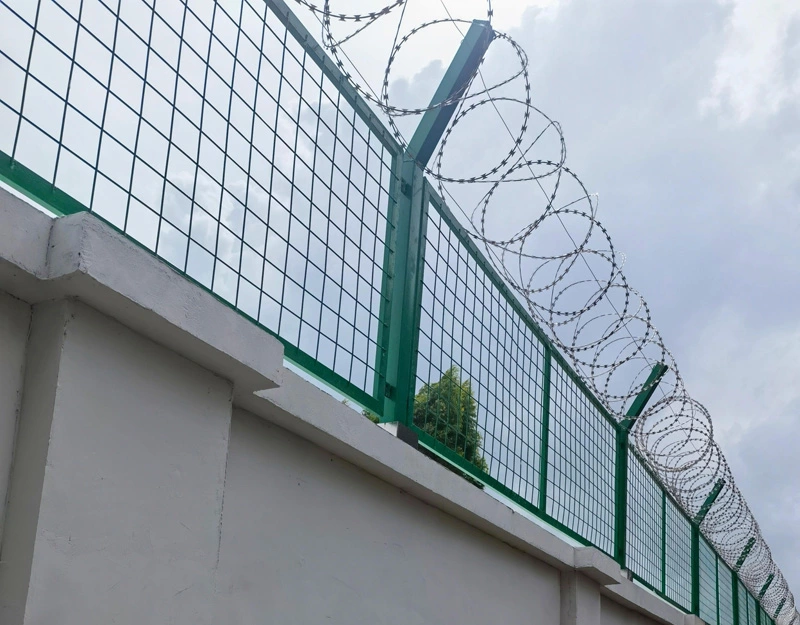
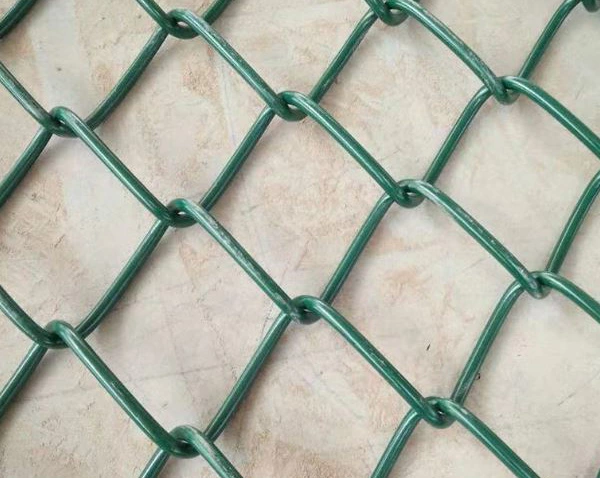
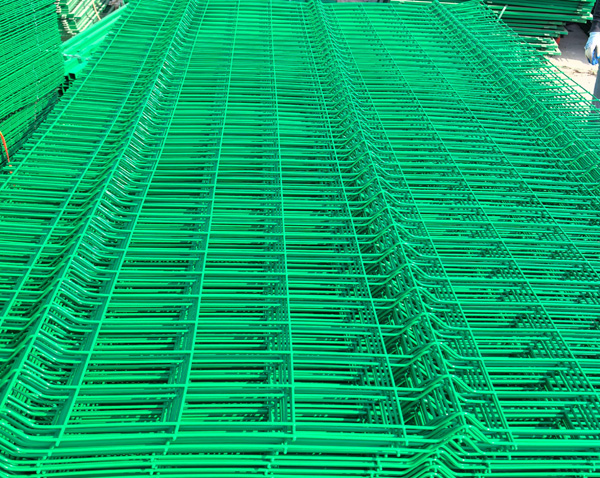
Metal fences, including those made from aluminum, steel, and wrought iron, are known for their strength and durability. However, temperature fluctuations can cause significant stress on metal structures. Extreme heat can cause metal to expand, while cold temperatures can lead to contraction. Over time, this expansion and contraction can result in structural weaknesses, such as cracks and warping. To mitigate these effects, it is important to select high-quality metals and ensure proper installation with adequate expansion joints.
Plastic fences, often made from PVC (polyvinyl chloride), are lightweight, low-maintenance, and resistant to many environmental factors. However, they are not immune to the effects of ultraviolet (UV) radiation. Prolonged exposure to UV rays can cause plastic to degrade, leading to discoloration, brittleness, and eventual failure. Manufacturers often add UV stabilizers to the plastic to enhance its resistance to sunlight. Regular inspections and timely replacements of damaged sections can help maintain the integrity of plastic fences.
Composite fences, which combine wood fibers with recycled plastics, offer a balance between the natural look of wood and the durability of synthetic materials. One of the key advantages of composite fencing is its resistance to wind and storms. The dense structure of composite materials makes them less likely to be damaged by strong winds compared to traditional wood fences. However, proper installation is crucial to ensure that the fence remains stable during severe weather conditions. Using sturdy posts and secure fasteners can significantly enhance the wind resistance of composite fences.
Choosing the right fencing material types involves considering the specific weather conditions of your region. Wooden fences require regular maintenance in humid areas, while metal fences need to be designed to withstand temperature fluctuations. Plastic fences benefit from UV stabilizers to combat the effects of sunlight, and composite fences offer excellent wind and storm resistance. By understanding the unique challenges posed by different weather conditions, homeowners and builders can select the most suitable fencing material for their needs, ensuring both functionality and longevity.
Leave a Reply