

 English
 China
China Thailand
 Malaysia
 Vietnam
 Laos
Laos Cambodia
 Pilipinas
 Indonesia
 Russian
 Portuguese
 Arabic
 Japanese
 Spanish
 Italian
 French
 German
News
- Home
- News
- Company News
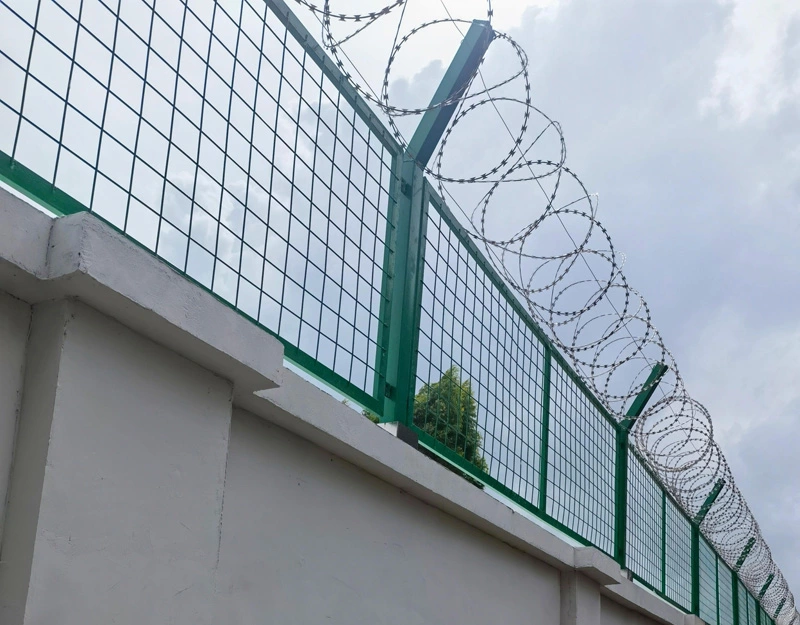
When it comes to enhancing the security, privacy, and aesthetic appeal of your property, choosing the right fencing material types is a crucial decision. The fencing material you select will not only define the boundaries of your space but also play a significant role in the overall look and functionality of your home's exterior. This technical report aims to guide homeowners through the process of selecting the most suitable fencing material for their specific needs.
The choice of fencing material can significantly impact the durability, maintenance, and cost of your fence. Different materials offer varying levels of resistance to weather, pests, and physical damage. Therefore, it is essential to evaluate your specific requirements and the environmental conditions of your area before making a decision. For instance, if you live in a coastal region, you may need a material that resists corrosion and saltwater damage. On the other hand, if you are in an area with high winds, a sturdy and robust material would be more appropriate.
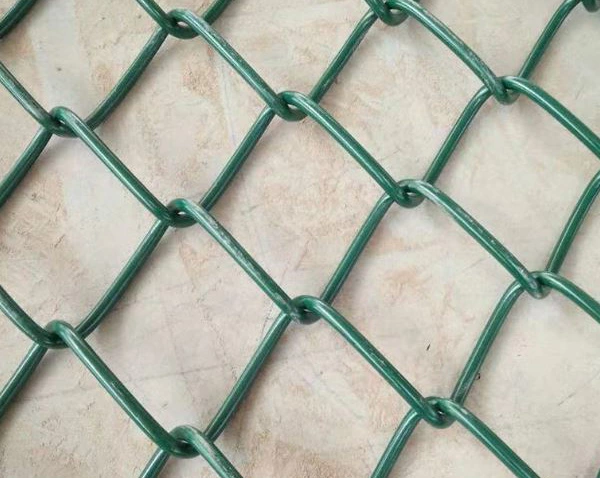
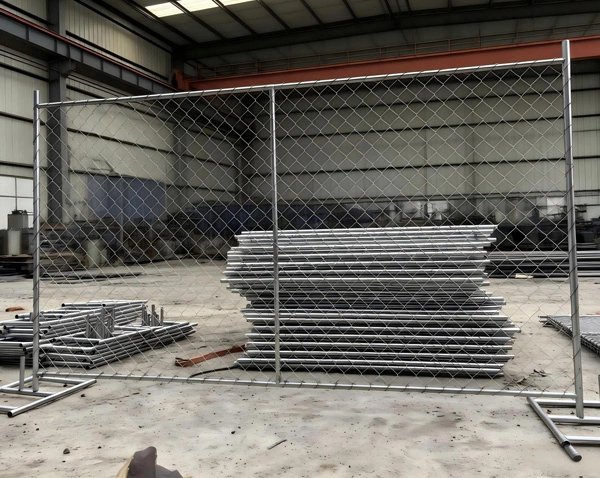
One of the primary considerations when choosing a fencing material is its appearance. The fence should complement the architectural style of your home and enhance the overall curb appeal. For example, a traditional wooden fence might be ideal for a classic or rustic home, while a sleek metal fence could be more fitting for a modern or contemporary design. Additionally, the functional needs of the fence should be taken into account. If privacy is a top priority, a solid fence with minimal gaps, such as a vinyl or composite fence, would be more effective. Conversely, if you prefer a more open and airy feel, a wrought iron or chain-link fence might be a better choice.
The initial cost of the fencing material is an important factor, but it is equally crucial to consider the long-term maintenance and replacement costs. Some materials, like wood, require regular painting or staining to prevent rot and decay, which can add to the overall cost over time. In contrast, materials like vinyl and aluminum are relatively low-maintenance and can last for many years without requiring significant upkeep. It is also worth considering the environmental impact of the material. Sustainable and eco-friendly options, such as bamboo or recycled plastic, can be a more responsible choice for environmentally conscious homeowners.
There are several common fencing material types available, each with its own set of advantages and disadvantages. Here, we will explore some of the most popular options:
In recent years, there has been a growing emphasis on sustainability and environmental responsibility. When choosing a fencing material, it is important to consider the environmental impact of the material. Some options, such as bamboo and recycled plastic, are more eco-friendly and sustainable. Bamboo is a fast-growing and renewable resource that is naturally resistant to pests and rot. Recycled plastic, or composite fencing, is made from a combination of recycled plastics and wood fibers, making it a durable and low-maintenance option. These materials not only reduce the demand for new resources but also help to minimize waste and pollution.
Selecting the right fencing material types for your home involves a careful consideration of various factors, including aesthetics, functionality, cost, and environmental impact. By understanding the unique characteristics and benefits of each material, you can make an informed decision that meets your specific needs and enhances the value and appeal of your property. Whether you opt for the classic charm of wood, the durability of vinyl, the elegance of wrought iron, or the sustainability of bamboo, the right fencing material will provide both security and beauty for years to come.

Leave a Reply