

 English
 China
China Thailand
 Malaysia
 Vietnam
 Laos
Laos Cambodia
 Pilipinas
 Indonesia
 Russian
 Portuguese
 Arabic
 Japanese
 Spanish
 Italian
 French
 German
News
- Home
- News
- Company News
wire mesh, a versatile and widely used material in various applications ranging from construction to agricultural purposes, is often selected based on its tensile strength. Tensile strength wire mesh design is crucial for ensuring that the product can withstand the forces it will encounter in its intended application. This article aims to guide you through the process of selecting the right tensile strength for your wire mesh needs, emphasizing key considerations and providing practical insights.
Tensile strength refers to the maximum amount of tensile (pulling or stretching) stress that a material can withstand before failure. In the context of wire mesh, this property is particularly important as it determines the mesh's ability to resist deformation under load. The tensile strength of wire mesh is influenced by several factors, including the type of metal used, the diameter of the wire, and the weaving pattern. A higher tensile strength indicates a more robust and durable mesh capable of withstanding greater loads without breaking or deforming.
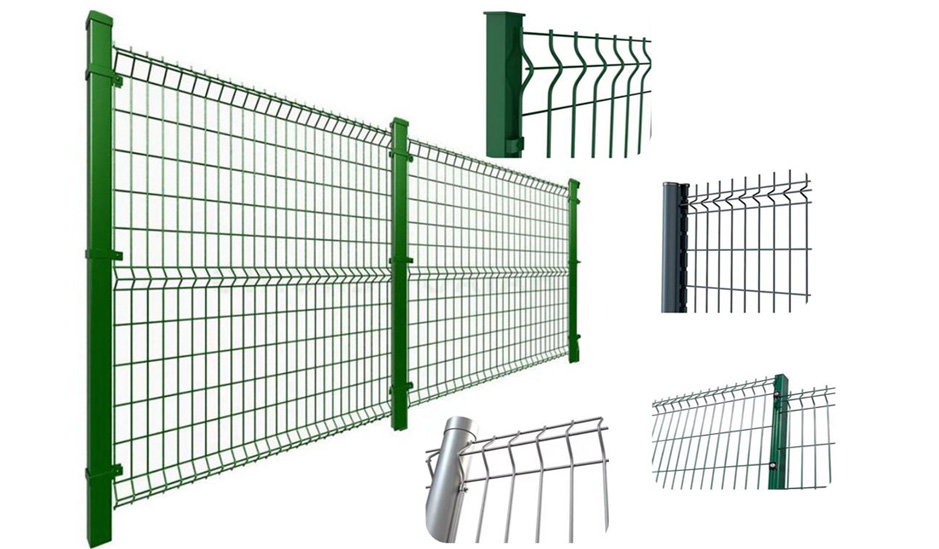
To select the appropriate tensile strength wire mesh design, it is essential first to understand the specific requirements of your application. Different uses demand different levels of tensile strength. For example, in fencing applications where security is paramount, a higher tensile strength is preferred to ensure the fence can resist attempts at breaching. Conversely, in decorative or architectural applications, the aesthetic quality may be prioritized over high tensile strength, allowing for a broader range of materials and designs. By clearly defining the purpose and expected stresses, one can narrow down the selection process significantly.
The choice of material plays a critical role in determining the overall tensile strength of the wire mesh. Common materials include steel, stainless steel, aluminum, and even non-metallic options like fiberglass. Each material has its unique properties that affect tensile strength. Steel, for instance, is known for its high tensile strength but may be prone to corrosion unless properly treated. Stainless steel, while offering excellent resistance to corrosion, might not match the tensile strength of regular steel. Aluminum, being lightweight and corrosion-resistant, is suitable for applications where weight is a concern, though it generally offers lower tensile strength compared to steel. Evaluating these trade-offs is crucial when choosing the right material for your wire mesh design.
Beyond material selection, the diameter of the wires and the weaving pattern also significantly impact the tensile strength of the wire mesh. Thicker wires inherently provide greater tensile strength than thinner ones, making them ideal for heavy-duty applications. However, thicker wires also increase the weight and cost of the mesh. On the other hand, the weaving pattern, such as plain weave, twill weave, or Dutch weave, affects how the wires interact with each other, influencing both the flexibility and strength of the final product. A well-chosen weaving pattern can enhance the mesh’s structural integrity, making it better suited for specific applications.
Once the wire mesh is designed and manufactured, it is essential to subject it to rigorous testing to ensure it meets the required tensile strength standards. Standardized tests, such as the tensile test, are commonly used to measure the breaking strength of the mesh. These tests help verify that the wire mesh will perform as expected under real-world conditions. Additionally, obtaining certifications from recognized bodies can provide further assurance of the product's quality and reliability. Certifications may vary depending on the industry and application, but they generally indicate that the wire mesh has been tested and approved according to specific standards.
Even with the correct tensile strength, the longevity of wire mesh depends on proper maintenance. Regular inspections and timely repairs can prevent minor issues from becoming major problems. For example, in outdoor applications, exposure to the elements can lead to corrosion, which can weaken the mesh over time. Applying protective coatings, such as galvanization or powder coating, can help extend the life of the wire mesh. Furthermore, following the manufacturer's guidelines for installation and use is crucial to ensure the mesh performs optimally and lasts as long as possible.
Selecting the right tensile strength for your wire mesh needs involves a thorough understanding of the application, material properties, and design considerations. By carefully assessing these factors and conducting appropriate testing, you can ensure that the wire mesh will meet the demands of its intended use. Proper maintenance and adherence to best practices will further enhance the performance and lifespan of the wire mesh, providing a reliable and durable solution for your project.


Leave a Reply