

 English
 China
China Thailand
 Malaysia
 Vietnam
 Laos
Laos Cambodia
 Pilipinas
 Indonesia
 Russian
 Portuguese
 Arabic
 Japanese
 Spanish
 Italian
 French
 German
News
- Home
- News
- Company News
Introduction
The tensile strength of wire mesh plays a critical role in determining the durability and longevity of its applications. Whether used for fencing, reinforcement, or industrial purposes, the selection of appropriate wire mesh based on its tensile strength is essential. This report delves into how tensile strength influences the longevity of wire mesh installations, providing insights into the factors that contribute to enhanced performance and extended service life.
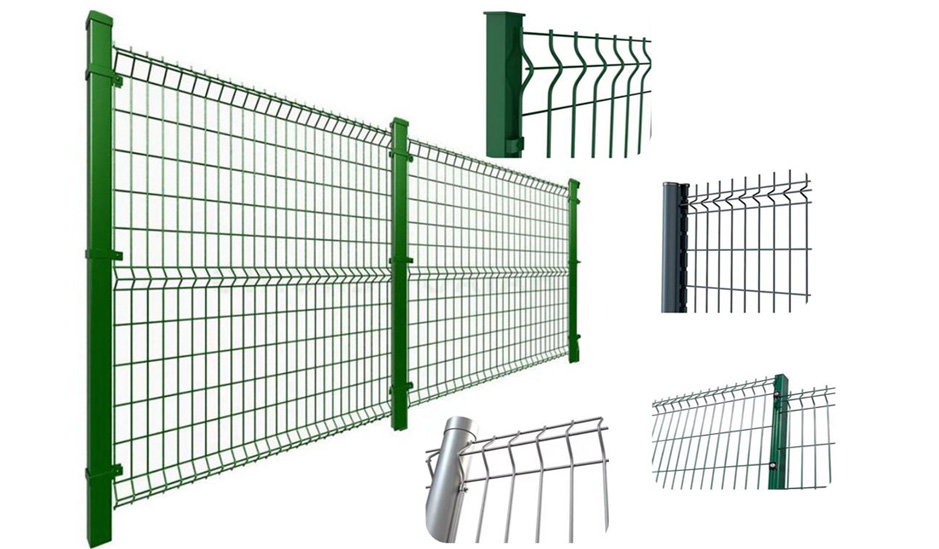
Tensile strength, defined as the maximum amount of tensile (pulling or stretching) stress that a material can withstand before failure, is a fundamental property that affects the overall performance of wire mesh. High tensile strength ensures that the wire mesh can resist deformation and breakage under various loads and environmental conditions. For instance, in fencing applications, wire mesh with higher tensile strength can better withstand impacts from wildlife, human activities, and severe weather, thereby extending its lifespan.
Additionally, the tensile strength of wire mesh is crucial in reinforcing applications such as concrete structures. Wire mesh with adequate tensile strength can effectively distribute stresses, preventing cracks and enhancing the structural integrity of the construction. This not only improves the safety and stability of the structure but also reduces maintenance and repair costs over time.
While tensile strength is a key factor in the initial quality of wire mesh, environmental factors can significantly impact its longevity. Exposure to harsh weather conditions, such as extreme temperatures, humidity, and UV radiation, can lead to degradation of the material. Corrosion, in particular, is a major concern for wire mesh, especially in coastal or high-humidity environments. The presence of corrosive agents, such as salt and chemicals, can weaken the tensile strength of the wire, leading to premature failure.
To mitigate these effects, it is essential to select wire mesh materials that are resistant to corrosion, such as galvanized steel or stainless steel. These materials have protective coatings or inherent properties that help them withstand environmental stressors, maintaining their tensile strength and prolonging the life of the installation. Regular inspections and maintenance, including cleaning and recoating, can also help in preserving the tensile strength and overall condition of the wire mesh.
The design of wire mesh is another critical aspect that influences its tensile strength and, consequently, its longevity. The wire diameter, mesh size, and pattern all play a role in determining the overall strength and flexibility of the mesh. Thicker wires generally provide higher tensile strength but may reduce the flexibility of the mesh, which can be important in certain applications. Conversely, finer wires offer greater flexibility but may compromise on tensile strength.
Mesh size and pattern are also important considerations. Smaller mesh openings can provide better protection against small objects and animals, but they may also increase the weight and cost of the wire mesh. The pattern, whether square, rectangular, or hexagonal, can affect the distribution of forces and the overall strength of the mesh. Engineers and designers must balance these factors to achieve the optimal combination of tensile strength, flexibility, and functionality for the specific application.
Furthermore, the manufacturing process, including the quality of raw materials and the techniques used for weaving or welding, can significantly impact the tensile strength of the final product. High-quality manufacturing processes ensure uniformity and consistency, which are essential for reliable performance. Advanced technologies, such as computer-aided design (CAD) and precision engineering, can help in creating wire mesh designs that meet the required tensile strength specifications while optimizing other performance parameters.
Regular maintenance and inspection are crucial for ensuring the long-term performance of wire mesh installations. Routine checks can help identify signs of wear, corrosion, or damage, allowing for timely repairs and replacements. This proactive approach can prevent minor issues from escalating into major failures, thus extending the lifespan of the wire mesh.
Inspection should include visual examinations, as well as more detailed assessments using non-destructive testing (NDT) methods such as ultrasonic testing or magnetic particle inspection. These techniques can detect internal flaws and weaknesses that may not be visible to the naked eye. Additionally, keeping records of maintenance and inspection activities can provide valuable data for trend analysis and predictive maintenance, helping to optimize the lifecycle management of the wire mesh.
Training and education for maintenance personnel are also essential. Proper training ensures that staff understand the importance of tensile strength and the best practices for maintaining and inspecting wire mesh. This knowledge can lead to more effective maintenance strategies and improved overall performance of the installations.
The tensile strength of wire mesh is a critical factor that influences its longevity and performance in various applications. By selecting the right material, designing for optimal tensile strength, and implementing regular maintenance and inspection, it is possible to extend the service life of wire mesh installations. Understanding the interplay between tensile strength and environmental factors, as well as the importance of design and manufacturing processes, is key to achieving durable and reliable wire mesh solutions.
As technology continues to advance, new materials and manufacturing techniques will likely further enhance the tensile strength and longevity of wire mesh. Staying informed about these developments and incorporating them into design and maintenance practices will be crucial for maximizing the benefits of wire mesh in a wide range of applications.


Leave a Reply