

 English
 China
China Thailand
 Malaysia
 Vietnam
 Laos
Laos Cambodia
 Pilipinas
 Indonesia
 Russian
 Portuguese
 Arabic
 Japanese
 Spanish
 Italian
 French
 German
News
- Home
- News
- Company News
Introduction
The installation of barbed wire is a crucial step in enhancing the security of your property. It not only deters potential intruders but also defines clear boundaries, thereby protecting both people and assets. This guide will provide you with expert barbed wire installation guides to ensure that your property remains secure and well-protected. By following these detailed instructions, you can achieve a professional setup that meets safety standards and legal requirements.
Barbed wire has long been recognized as an effective deterrent against unauthorized access. Its sharp points create a physical barrier that is difficult to breach without sustaining injury. Moreover, the presence of barbed wire often serves as a psychological deterrent, discouraging would-be trespassers from attempting to enter your property. When installed correctly, barbed wire can significantly enhance the overall security of your premises, making it a popular choice for residential, commercial, and industrial properties alike.
Additionally, barbed wire is cost-effective compared to other fencing options. It requires minimal maintenance once installed, which further reduces long-term costs. The durability of barbed wire also means that it can withstand harsh weather conditions and last for many years, providing consistent protection without the need for frequent replacements.
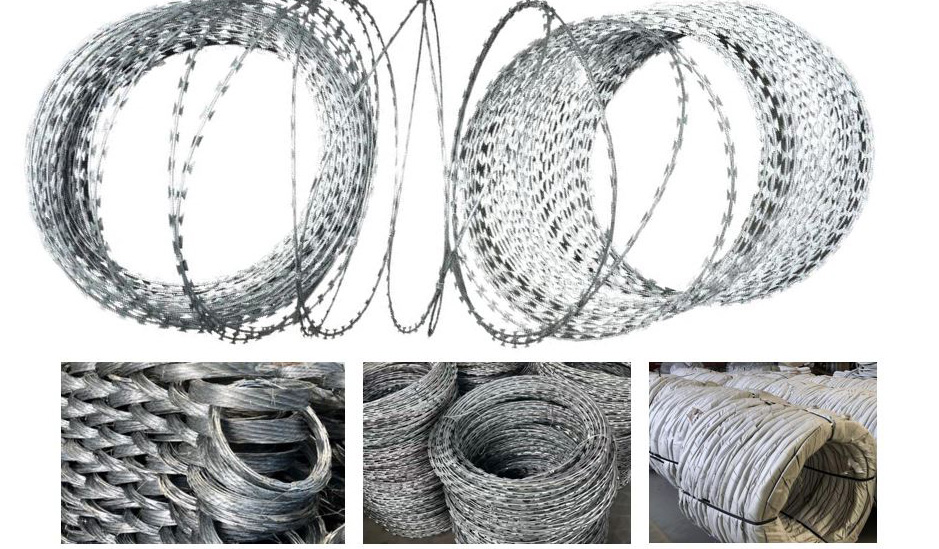
Choosing the appropriate type of barbed wire is essential for ensuring optimal security. There are several types available, each designed for specific purposes. Standard barbed wire consists of two or three strands of wire twisted together with barbs spaced at regular intervals. This type is suitable for most general security applications. For higher security needs, high-tensile barbed wire, which is stronger and more resistant to cutting, may be a better option.
It's also important to consider the gauge of the wire. Thicker gauges (lower numbers) offer greater strength and resistance to damage. For example, 12-gauge wire is thicker and stronger than 15-gauge wire. The choice of gauge should be based on the level of security required and the environmental conditions of the installation site.
Another factor to consider is the coating of the wire. Galvanized wire is coated with zinc to protect against rust and corrosion, making it ideal for areas with high humidity or exposure to saltwater. PVC-coated barbed wire provides additional protection and a more aesthetic appearance, although it may be slightly more expensive.
Before beginning the installation process, it is crucial to gather all the necessary tools and materials. The basic tools required include pliers, wire cutters, fence stretchers, and post hole diggers. You will also need T-posts or wooden posts, depending on the type of support you prefer. Ensure that the posts are sturdy and capable of supporting the tension of the barbed wire.
In addition to the tools, you will need the barbed wire itself, tensioning devices such as crimp sleeves and tension bands, and fasteners like staples or U-nails. If you are installing the wire on a concrete surface, you may need anchor bolts and concrete screws. Having all these materials ready will make the installation process smoother and more efficient.
It is also advisable to check local regulations and obtain any necessary permits before starting the installation. Some areas have specific guidelines regarding the height and placement of barbed wire, and failing to comply with these regulations could result in fines or the need to remove the installation.
Once you have all the necessary tools and materials, you can begin the installation process. Start by marking the perimeter of your property where the fence will be installed. Use stakes and string to create a straight line, ensuring that the fence will be aligned properly. Next, dig holes for the posts, spacing them according to the manufacturer’s recommendations, typically every 10 to 20 feet.
After setting the posts, attach the first strand of barbed wire to the end post using crimp sleeves or tension bands. Pull the wire taut using a fence stretcher, and then secure it to the intermediate posts. Repeat this process for each additional strand, ensuring that they are evenly spaced and taut. Finally, trim any excess wire and secure the ends to prevent them from unraveling.
For added security, you can install a top rail or additional strands of barbed wire. A top rail provides extra stability and makes it more difficult for intruders to climb over the fence. Additional strands can be added at different heights to create a more formidable barrier. Always ensure that the wire is properly tensioned and securely fastened to the posts to maintain its effectiveness.
Regular maintenance is essential to keep your Barbed Wire Fence in good condition. Inspect the fence periodically for any signs of damage, such as loose wires, rust, or broken posts. Replace any damaged components promptly to prevent further deterioration. Keeping the area around the fence clear of debris and vegetation will also help to prolong its lifespan.
Safety is another critical aspect of barbed wire installation. When working with barbed wire, always wear protective gloves and clothing to avoid injury. Ensure that the fence is clearly visible, especially in low-light conditions, to prevent accidental contact. If the fence is near public areas, consider adding warning signs to alert passersby to the presence of barbed wire.
Lastly, it is important to be aware of the potential risks associated with barbed wire. While it is an effective security measure, it can pose a hazard to both humans and animals if not installed and maintained properly. Always follow best practices and adhere to local regulations to minimize these risks and ensure the safe and effective use of barbed wire on your property.
Conclusion
By following these expert barbed wire installation guides, you can effectively secure your property and deter potential intruders. Understanding the benefits, selecting the right type of barbed wire, preparing with the necessary tools and materials, and following a step-by-step installation process are key to achieving a robust and reliable security solution. Regular maintenance and adherence to safety considerations will ensure that your barbed wire fence remains effective and safe for years to come.



Leave a Reply