

 English
 China
China Thailand
 Malaysia
 Vietnam
 Laos
Laos Cambodia
 Pilipinas
 Indonesia
 Russian
 Portuguese
 Arabic
 Japanese
 Spanish
 Italian
 French
 German
News
- Home
- News
- Company News
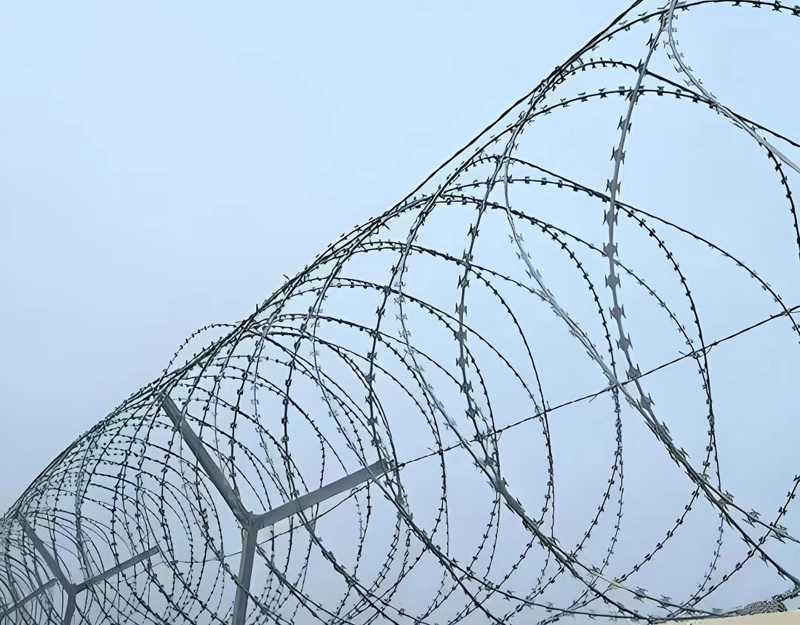
barbed wire, a popular choice for securing perimeters and delineating boundaries, requires careful installation to ensure both its effectiveness and the safety of those involved in the process. This comprehensive guide will walk you through the key considerations and steps needed to install barbed wire safely, ensuring that it serves its purpose without posing unnecessary risks.
Before delving into the specifics of how to install barbed wire, it is crucial to understand why following a detailed barbed wire installation guide is essential. Barbed wire can be dangerous if not installed correctly, potentially leading to injuries or even legal issues. A well-documented guide ensures that all necessary precautions are taken, reducing the risk of accidents. Moreover, proper installation extends the lifespan of the wire, making your investment more worthwhile. Understanding these points highlights the importance of adhering to professional standards throughout the installation process.
Not all barbed wires are created equal; choosing the right type is critical based on your specific requirements. Factors such as the area's security needs, environmental conditions (like weather and wildlife), and local regulations should influence your decision. For instance, in high-security areas, heavier gauge wires with more closely spaced barbs might be necessary. In contrast, lighter options may suffice for simple boundary demarcation. Additionally, considering corrosion-resistant materials like galvanized or PVC-coated wire can significantly enhance durability, especially in harsh climates. By selecting the appropriate type, you lay a solid foundation for a safe and effective installation.
Proper site preparation is another cornerstone of safe barbed wire installation. Clearing the area of debris, overgrowth, and other obstacles is the first step. Ensuring the ground is level where posts will be placed helps maintain structural integrity. It’s also important to mark out the exact path the fence will follow, using stakes and string lines, which aids in visualizing the project and maintaining straight lines. Furthermore, checking for underground utilities and obtaining any required permits before starting work prevents potential damage and legal complications. These preparatory measures set the stage for a smooth and secure installation process.
The strength and stability of a Barbed Wire Fence largely depend on its posts and tensioners. Properly setting up these components is crucial. Begin by digging holes for the posts, typically at intervals of 6 to 10 feet, depending on the terrain and the type of wire used. Each hole should be deep enough to provide firm support, usually about one-third the length of the post. After placing the posts, use concrete or tamped soil to secure them firmly in place. Installing tensioners between posts allows for adjusting the wire's tightness, preventing sagging and maintaining an even distribution of tension across the fence. Pay attention to the alignment of posts and the correct placement of tensioners, as these factors contribute significantly to the overall stability and longevity of the fence.
The final step in the installation process involves attaching and stretching the barbed wire. Start by unrolling the wire along the line of posts, ensuring it lies flat and straight. Attach the wire to the first post using staples or clips, then proceed to stretch it tightly towards the next post. Use a come-along tool or a winch to apply tension, being cautious not to overstretch, which could weaken the wire. Once the desired tension is achieved, secure the wire to each post, repeating this process for each strand. Typically, three to four strands are sufficient for most applications, but this can vary based on specific security needs. Throughout this step, wearing protective gear such as gloves and goggles is imperative to avoid injuries from the sharp barbs. Following these procedures carefully ensures a safe and effective installation.
Once the barbed wire is installed, regular maintenance and inspection are key to prolonging its life and maintaining its effectiveness. Periodically check for signs of wear, such as rust, broken strands, or loose tension. Addressing these issues promptly can prevent larger problems down the line. Additionally, keeping the area around the fence clear of vegetation and debris helps reduce the risk of damage. Regular cleaning, especially after severe weather events, can also help preserve the wire's condition. By incorporating a routine maintenance schedule, you ensure that your barbed wire fence remains a reliable and secure barrier for years to come.
In conclusion, installing barbed wire safely and effectively requires careful planning, the right materials, and adherence to best practices. By following a comprehensive barbed wire installation guide, you can create a robust and long-lasting perimeter solution that meets your security needs while minimizing risks. Remember, the key to a successful installation lies in thorough preparation, precise execution, and ongoing maintenance. With these elements in place, your barbed wire fence will serve its intended purpose efficiently and securely.


Leave a Reply