

 English
 China
China Thailand
 Malaysia
 Vietnam
 Laos
Laos Cambodia
 Pilipinas
 Indonesia
 Russian
 Portuguese
 Arabic
 Japanese
 Spanish
 Italian
 French
 German
News
- Home
- News
- Company News
The evolution of road safety and management has seen significant advancements, with the introduction of innovative materials and designs. One such development is the use of durable and reliable plastic road barriers, which have found applications far beyond their traditional roles. This report explores the versatile uses of these barriers, focusing on how they can be repurposed or utilized in new, inventive ways to address various challenges. The term "Panel fence," while not a direct reference to the primary subject, symbolizes the adaptability and flexibility of modular systems in diverse environments.
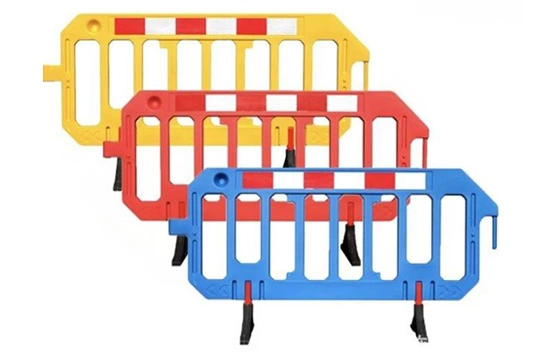
Plastic road barriers, designed initially for temporary traffic control and safety, have proven to be highly effective in managing vehicular and pedestrian flow. Their lightweight yet robust construction makes them easy to deploy and reposition as needed. In urban areas, where space is at a premium and traffic patterns are complex, these barriers can be strategically placed to create clear pathways, reduce congestion, and improve overall traffic efficiency. Additionally, their visibility, often enhanced by reflective strips or bright colors, significantly contributes to nighttime safety, making roads safer for all users. The ability to quickly set up and dismantle these barriers also allows for rapid response to changing conditions, such as during emergencies or special events, ensuring that safety measures are always in place without causing undue disruption.
One of the most compelling aspects of using plastic road barriers is their environmental sustainability. Many modern barriers are made from recycled plastics, reducing the demand for virgin materials and diverting waste from landfills. Moreover, these barriers are designed to be reusable, meaning that once a project or event is over, they can be easily collected, cleaned, and redeployed elsewhere. This cycle of reuse not only minimizes waste but also reduces the carbon footprint associated with manufacturing new products. Furthermore, the durability of these barriers ensures that they have a long lifespan, further contributing to their eco-friendliness. By choosing sustainable materials and practices, communities can enhance their infrastructure while also protecting the environment.
Plastic road barriers demonstrate exceptional adaptability in emergency situations and disaster relief efforts. During natural disasters like floods, earthquakes, or hurricanes, these barriers can be rapidly deployed to create safe zones, redirect traffic away from hazardous areas, and protect critical infrastructure. Their modular design allows for quick assembly and disassembly, making it possible to respond swiftly to changing circumstances. In addition, the barriers can be used to create temporary shelters or storage areas, providing essential support in the immediate aftermath of a disaster. The versatility of these barriers means that they can be adapted to meet a wide range of needs, from creating barriers around flooded areas to establishing checkpoints for rescue operations. This adaptability is crucial in ensuring that emergency responses are both effective and efficient, ultimately saving lives and minimizing damage.
Beyond their traditional roles in traffic management and safety, plastic road barriers have found innovative applications in urban planning and design. For example, they can be used to create temporary public spaces, such as pop-up parks or community gathering areas. These spaces can be set up in underutilized urban areas, providing residents with green spaces and recreational opportunities. The modular nature of the barriers allows for flexible configurations, enabling planners to experiment with different layouts and designs. Additionally, these barriers can be used to delineate bike lanes and pedestrian walkways, promoting active transportation and improving the overall livability of urban environments. By integrating these barriers into urban design, cities can create more dynamic and adaptable public spaces that respond to the needs of their communities.
From a financial perspective, plastic road barriers offer a cost-effective and efficient solution for various infrastructure projects. The initial investment in these barriers is often lower compared to traditional materials like concrete or metal, and their long-term durability means that they require minimal maintenance. This cost-effectiveness is particularly beneficial for municipalities and organizations with limited budgets. Furthermore, the ease of installation and reusability of these barriers can lead to significant savings in labor and material costs over time. By adopting these barriers, communities can achieve their infrastructure goals without incurring substantial expenses, making it a practical choice for both short-term and long-term projects.
In conclusion, the innovative uses of durable and reliable plastic road barriers extend far beyond their conventional roles. From enhancing safety and traffic management to providing sustainable and eco-friendly solutions, these barriers offer a versatile and adaptable tool for addressing a wide range of challenges. Their role in emergency response and disaster relief, as well as their potential in urban planning and design, underscores their value in creating resilient and responsive communities. As we continue to seek more efficient and sustainable infrastructure solutions, the plastic road barrier stands out as a prime example of how innovation can drive positive change.



Leave a Reply