

 English
 China
China Thailand
 Malaysia
 Vietnam
 Laos
Laos Cambodia
 Pilipinas
 Indonesia
 Russian
 Portuguese
 Arabic
 Japanese
 Spanish
 Italian
 French
 German
News
- Home
- News
- Company News
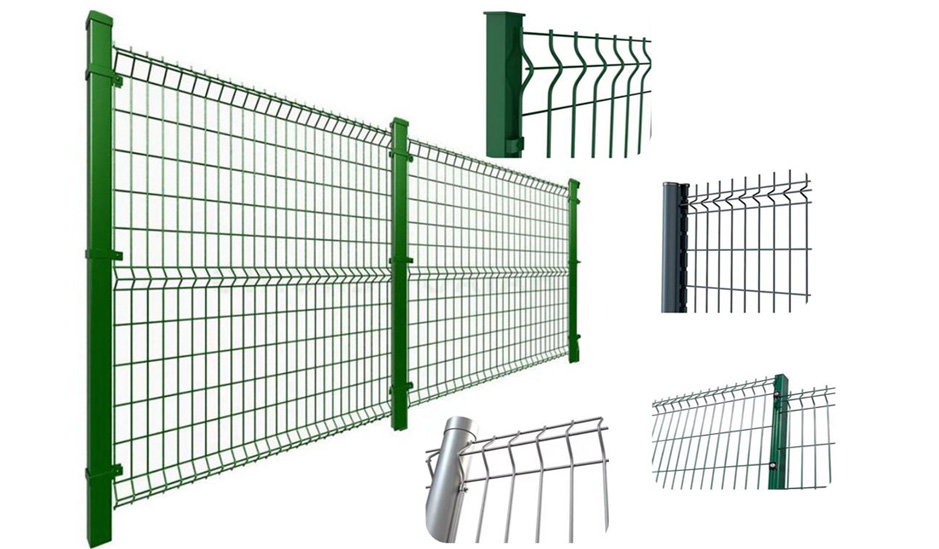
A Comprehensive Guide to Selecting Panel fence for Your Facility provides a detailed, technical overview of the key factors to consider when choosing the right Panel Fence. This guide is designed to help facility managers and property owners make informed decisions by evaluating material options, security needs, aesthetic preferences, installation requirements, maintenance considerations, and cost-effectiveness. Each section delves into specific aspects of panel fencing, ensuring that readers are well-equipped with the knowledge necessary to select the most suitable solution for their unique needs.
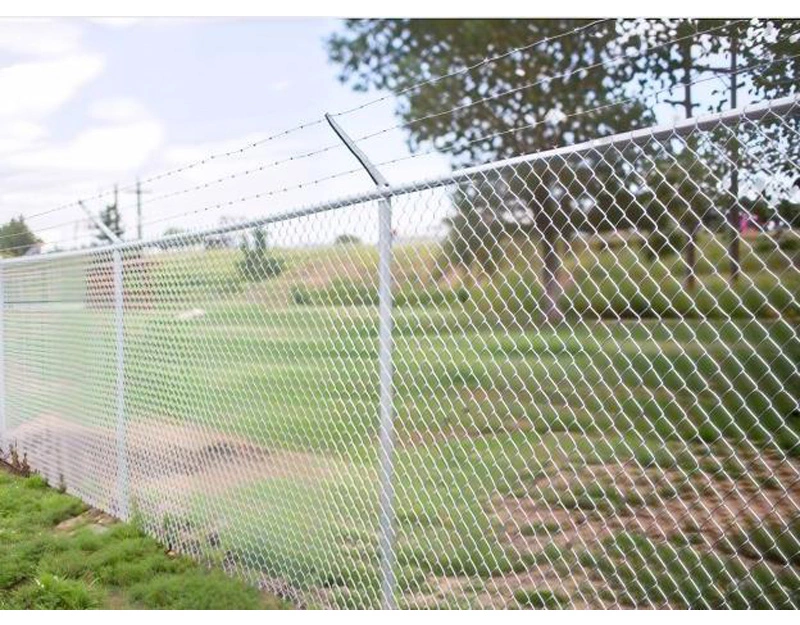
Panel fences, also known as privacy fences, are a popular choice for both residential and commercial properties due to their versatility and effectiveness in providing security and privacy. These fences are typically constructed from pre-fabricated panels that are installed between posts. The most common types of panel fences include wood, vinyl, aluminum, and chain-link. Each type offers different advantages in terms of durability, aesthetics, and maintenance. For instance, wood panel fences provide a natural, classic look but require regular maintenance, while vinyl panel fences are low-maintenance and resistant to weathering.
To better understand panel fences, it's essential to familiarize yourself with the key components and terminology. The main components of a panel fence include the posts, rails, and pickets. Posts are the vertical supports that hold the fence in place, while rails are the horizontal pieces that support the pickets. Pickets are the vertical slats that form the face of the fence. Other important terms include "fence height," which refers to the overall height of the fence, and "spacing," which refers to the distance between the pickets. Understanding these components and terms will help you communicate effectively with contractors and suppliers during the selection process.
Wood panel fences are a popular choice for their natural beauty and versatility. They can be stained or painted to match the aesthetic of your facility, and they offer a warm, inviting look. However, wood fences require regular maintenance to prevent rot, insect damage, and warping. This includes annual cleaning, sealing, and painting or staining. Cedar and redwood are popular choices for wood panel fences due to their natural resistance to decay and insects, but they come at a higher cost compared to other types of wood.
Vinyl panel fences are an excellent option for those seeking a low-maintenance solution. Vinyl is highly durable and resistant to weathering, making it ideal for areas with harsh climates. It does not require painting or staining and can be easily cleaned with soap and water. Additionally, vinyl fences come in a variety of styles and colors, allowing you to choose a design that complements your facility. While the initial cost of vinyl fences may be higher than wood, the long-term savings in maintenance and replacement costs often make them a more cost-effective choice.
When selecting a panel fence for your facility, one of the primary considerations should be the level of security required. The height of the fence is a critical factor in deterring intruders and maintaining privacy. In general, a fence height of 6 feet or higher is recommended for facilities that require a high level of security. However, it's important to check local regulations, as some areas have restrictions on fence heights. Additionally, the visibility of the fence can impact its effectiveness. Solid panel fences provide complete privacy and security, while semi-privacy fences allow for some visibility while still offering a degree of seclusion.
Another important aspect of security is the locking mechanisms and access control systems used with the panel fence. Gates should be equipped with sturdy, tamper-resistant locks to prevent unauthorized entry. Electronic access control systems, such as keypads or card readers, can further enhance security by allowing only authorized personnel to enter the facility. When selecting a gate, consider the material and construction quality to ensure it can withstand attempts at forced entry. Regular maintenance and inspections of the gates and locks are also crucial to maintaining the overall security of the fence.
The aesthetic appeal of a panel fence is an important consideration, as it can significantly impact the overall appearance of your facility. When choosing a fence, it's essential to consider how it will complement the existing architecture and landscaping. For example, a modern facility may benefit from a sleek, minimalist design, such as a black aluminum fence, while a traditional facility might be better suited to a classic wood or vinyl fence. Additionally, the color and style of the fence should harmonize with the building's exterior, creating a cohesive and visually appealing look.
Many manufacturers offer a wide range of customization options for panel fences, allowing you to create a unique and personalized design. These options may include different picket styles, post caps, and decorative elements. Some fences can even be customized with logos or other branding elements, making them a great way to enhance the identity of your facility. When considering customization, it's important to balance aesthetics with functionality. For example, decorative elements should not compromise the structural integrity or security of the fence. Consulting with a professional designer or contractor can help you achieve the perfect balance between form and function.
Proper site preparation is crucial for the successful installation of a panel fence. The first step is to clear the area of any debris, vegetation, or obstacles that may interfere with the installation. The ground should be leveled and compacted to provide a stable foundation for the fence. If the soil is soft or unstable, additional measures, such as concrete footings, may be necessary to ensure the fence remains secure. It's also important to mark the location of underground utilities, such as water, gas, and electrical lines, to avoid damaging them during the installation process.
While some property owners may choose to install a panel fence themselves, professional installation is often recommended for several reasons. Professional installers have the experience and expertise to ensure that the fence is installed correctly and securely. They can also handle any unexpected issues that may arise during the installation, such as uneven terrain or unforeseen obstacles. Additionally, many fence manufacturers offer warranties that are only valid if the fence is installed by a certified professional. If you do decide to install the fence yourself, it's important to follow the manufacturer's instructions carefully and use the appropriate tools and materials.
To ensure the longevity and performance of your panel fence, regular maintenance is essential. This includes periodic cleaning to remove dirt, grime, and mildew, which can accumulate over time and affect the appearance and integrity of the fence. For wood fences, this may involve pressure washing and reapplying a sealant or stain every few years. Vinyl and aluminum fences can be cleaned with soap and water, and any scratches or dents should be repaired promptly to prevent further damage. Regular inspections are also important to identify and address any issues, such as loose posts, damaged pickets, or rust, before they become more serious.
Even with proper maintenance, panel fences may require repairs or replacement over time. Common issues include broken or missing pickets, loose or damaged posts, and rust or corrosion. For minor repairs, such as replacing a single picket or tightening a loose post, a DIY approach may be sufficient. However, for more extensive repairs or full replacements, it's often best to consult a professional. When planning for the long-term care of your fence, it's a good idea to set aside a budget for maintenance and repairs. This can help you stay on top of any issues and ensure that your fence continues to provide the security and privacy you need.
When selecting a panel fence, it's important to consider both the initial costs and the long-term return on investment (ROI). The initial cost of a panel fence includes the price of the materials, labor, and any additional features, such as gates or customizations. While some materials, like vinyl and aluminum, may have a higher upfront cost, they often provide better ROI due to their durability and low maintenance requirements. Wood fences, on the other hand, may be less expensive initially but require more frequent maintenance and may need to be replaced sooner. To determine the best option for your budget, it's helpful to compare the total cost of ownership, including the initial purchase price and ongoing maintenance costs, over the expected lifespan of the fence.
For many facility managers and property owners, financing the cost of a new panel fence can be a significant consideration. Many fence companies offer financing options, such as installment plans or credit programs, to help spread the cost over time. Additionally, some government programs and grants may be available to help offset the cost of installing a fence, particularly for facilities that require enhanced security. When exploring financing options, it's important to review the terms and conditions, including interest rates and repayment schedules, to ensure that they align with your budget and financial goals. Consulting with a financial advisor or accountant can also help you make an informed decision and find the most cost-effective solution for your needs.
Leave a Reply