

 English
 China
China Thailand
 Malaysia
 Vietnam
 Laos
Laos Cambodia
 Pilipinas
 Indonesia
 Russian
 Portuguese
 Arabic
 Japanese
 Spanish
 Italian
 French
 German
News
- Home
- News
- Company News
The evolution of fencing solutions has been marked by a continuous quest for materials that offer durability, flexibility, and cost-effectiveness. Among the innovations in this field, panel fences have emerged as a versatile solution, capable of adapting to a wide array of environments and applications. This report explores the adaptability of Panel Fences, focusing on their structural integrity, environmental impact, and specific use cases such as the application of Plastic Highway Barriers, which showcase the material's potential beyond traditional fencing.
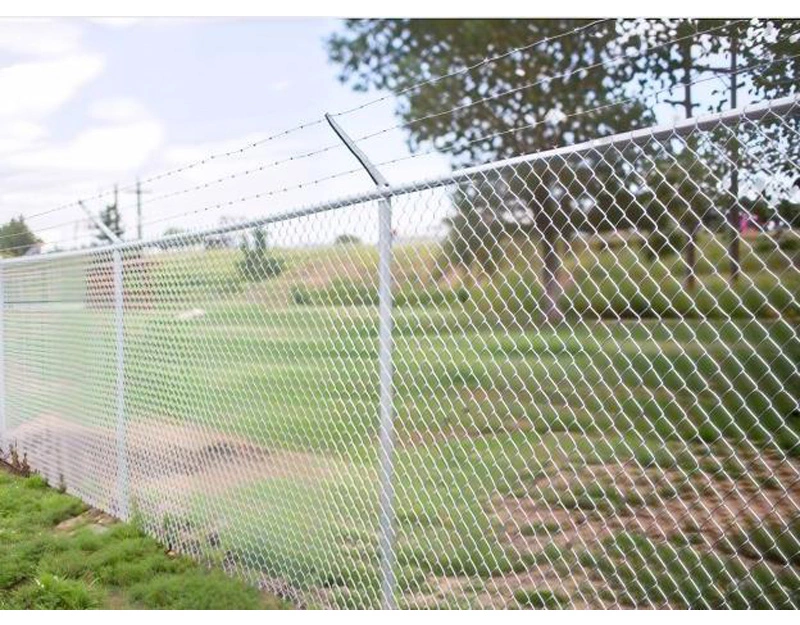
Panel fences, constructed from various materials including wood, metal, and more recently, composite plastics, are designed to provide robust security and aesthetic appeal. The development of new materials, particularly those with enhanced resistance to weathering and physical damage, has significantly improved the longevity and reliability of these structures. For instance, the introduction of reinforced plastic composites not only offers greater strength but also reduces maintenance needs, making them an attractive option for both residential and commercial settings. These advancements ensure that even in challenging climates or under heavy usage, panel fences maintain their form and function, effectively serving as a barrier against unauthorized access while enhancing the visual landscape.
As global awareness of environmental issues grows, so does the demand for sustainable building materials. Panel fences, when made from recycled or recyclable materials, can contribute positively to ecological goals. One notable example is the utilization of recycled plastics in the construction of fencing panels, which not only reduces landfill waste but also decreases the reliance on virgin resources. Moreover, during their lifecycle, these eco-friendly fences emit fewer greenhouse gases compared to conventional options, thereby lowering their overall carbon footprint. In addition, the production process for some modern synthetic materials used in fence manufacturing often involves less energy consumption and fewer emissions, further supporting green initiatives.
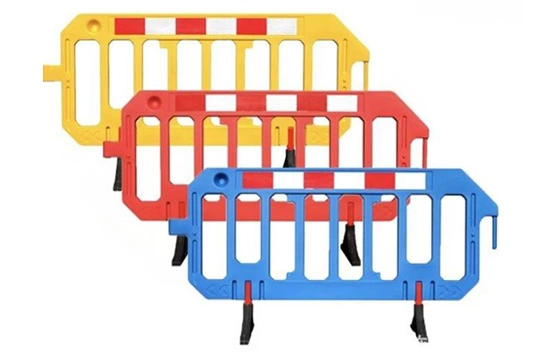
Beyond standard residential and commercial applications, panel fences, especially those made from durable, lightweight plastics, find utility in specialized scenarios. A prime illustration of this versatility is the Plastic Highway Barrier. Designed to withstand the rigors of high-speed traffic and harsh weather conditions, these barriers serve as a temporary or permanent solution for road safety, guiding vehicles and protecting work zones. Their modular design allows for easy installation and reconfiguration, providing flexibility in managing traffic flow and ensuring worker safety. Additionally, the use of color-coded panels enhances visibility, contributing to safer driving conditions. Such innovative applications highlight the potential of panel fences to address unique challenges across diverse industries, demonstrating their value far beyond conventional uses.
Conclusion, the versatility of panel fences, driven by ongoing technological advancements and a growing emphasis on sustainability, positions them as a valuable asset in numerous settings. From enhancing property security to promoting environmental responsibility and addressing specialized needs like highway management, panel fences continue to prove their worth through adaptability and innovation. As research and development in this area progress, it is anticipated that future iterations will further expand the capabilities and applications of these essential structures, reinforcing their role in shaping safer, more sustainable communities.

Leave a Reply