

 English
 China
China Thailand
 Malaysia
 Vietnam
 Laos
Laos Cambodia
 Pilipinas
 Indonesia
 Russian
 Portuguese
 Arabic
 Japanese
 Spanish
 Italian
 French
 German
News
- Home
- News
- Company News
With the rapid development of transportation infrastructure, ensuring the safety and efficiency of road networks has become a priority for many governments and transportation authorities. One key element in this endeavor is the use of Plastic Highway Barrier. These barriers not only enhance traffic management but also contribute to reducing the severity of accidents, thereby saving lives. This report delves into the benefits and applications of efficient plastic highway barrier solutions, exploring how they can be optimized to improve traffic management systems.
Traditional highway barriers, often made from concrete or steel, are known for their robustness. However, they come with significant drawbacks, such as high maintenance costs and susceptibility to weathering. In contrast, plastic highway barriers offer a more durable solution. Made from high-density polyethylene (HDPE) or other advanced polymers, these barriers can withstand harsh environmental conditions, including extreme temperatures, UV radiation, and chemical exposure, without degrading. The longevity of plastic barriers means that they require less frequent replacement, leading to substantial cost savings over time. Additionally, their lightweight nature facilitates easier installation and relocation, further reducing labor and operational expenses.
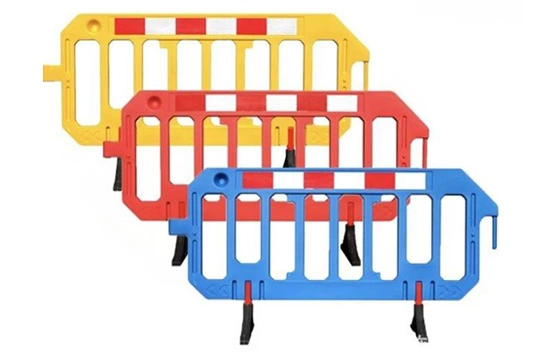
Safety is paramount in any discussion about highway infrastructure. Plastic highway barriers are designed with advanced safety features that significantly reduce the impact forces experienced during collisions. Unlike rigid materials, plastic barriers have a certain degree of flexibility, which allows them to absorb and dissipate energy upon impact. This characteristic is crucial in minimizing the risk of severe injuries to vehicle occupants. Furthermore, the smooth surface of plastic barriers reduces the likelihood of vehicles becoming entangled or overturned, providing a safer outcome in the event of an accident. Many modern designs also incorporate reflective elements and vibrant colors to enhance visibility, particularly in low-light conditions, thus alerting drivers and reducing the incidence of crashes.
In an era where environmental consciousness is increasingly important, the sustainability of construction materials cannot be overlooked. Plastic highway barriers stand out as an environmentally friendly option. Most plastic barriers are manufactured using recycled materials, contributing to the reduction of waste in landfills. Moreover, at the end of their service life, these barriers can be fully recycled, closing the loop on material usage. This recyclability not only minimizes environmental impact but also supports a circular economy. The production process for plastic barriers generally requires less energy compared to traditional materials, resulting in lower carbon emissions. By choosing plastic barriers, transportation authorities can demonstrate their commitment to sustainable practices and contribute to global efforts to combat climate change.
The integration of plastic highway barriers with smart traffic management systems represents a significant advancement in the field of transportation. Modern barriers can be equipped with sensors and communication technologies that provide real-time data on traffic flow, congestion, and potential hazards. This information can be transmitted to a central control system, enabling traffic managers to make informed decisions and implement dynamic traffic management strategies. For example, in the event of an accident, the barriers can automatically send alerts to emergency services, facilitating quicker response times. Additionally, the data collected can be used to optimize traffic signal timings, reroute traffic, and even predict future traffic patterns, all of which contribute to smoother and more efficient traffic flow.
The adoption of plastic highway barriers offers numerous advantages in enhancing traffic management. From improved durability and reduced maintenance costs to advanced safety features and environmental sustainability, these barriers represent a significant step forward in the evolution of highway infrastructure. As technology continues to advance, the integration of plastic barriers with smart traffic management systems will further enhance their effectiveness, making our roads safer and more efficient. Transportation authorities should consider these benefits and explore the implementation of plastic highway barriers to meet the growing demands of modern transportation systems.


Leave a Reply