

 English
 China
China Thailand
 Malaysia
 Vietnam
 Laos
Laos Cambodia
 Pilipinas
 Indonesia
 Russian
 Portuguese
 Arabic
 Japanese
 Spanish
 Italian
 French
 German
News
- Home
- News
- Company News
The galvanized wire grid system is a widely used solution across various industries, including construction, agriculture, and security. This technical report aims to explore the durability of galvanized wire in such systems, focusing on key factors that contribute to its longevity and performance. By examining the properties of galvanized wire, environmental impacts, and maintenance practices, this report will provide valuable insights into the reliability and effectiveness of galvanized wire grid systems.
Galvanization is a process where a protective zinc coating is applied to steel or iron to prevent rusting. In the context of a galvanized wire grid system, this coating plays a crucial role in enhancing the material's resistance to corrosion and wear. The zinc layer acts as a barrier, protecting the underlying metal from moisture, chemicals, and other corrosive elements. Additionally, zinc has a higher electrochemical potential than iron, which means it corrodes preferentially, sacrificing itself to protect the base metal. This sacrificial protection is one of the primary reasons why galvanized wire is highly durable and suitable for outdoor applications.
While galvanized wire is inherently durable, its performance can be influenced by various environmental factors. One of the most significant factors is exposure to saltwater, which can accelerate the corrosion process. In coastal areas, the high concentration of sodium chloride in the air and water can penetrate the zinc coating, leading to premature degradation. Similarly, exposure to acidic environments, such as industrial sites with high levels of sulfur dioxide, can also impact the lifespan of galvanized wire. Understanding these environmental challenges is essential for selecting the appropriate type of galvanized wire and implementing effective maintenance strategies.
To ensure the long-term durability of a galvanized wire grid system, regular maintenance is crucial. One of the most important practices is to inspect the wire regularly for any signs of damage or corrosion. Early detection of issues can prevent small problems from becoming major ones. Additionally, keeping the wire clean and free from debris can help maintain its integrity. In environments with high exposure to corrosive elements, applying a protective coating or sealant can further enhance the wire's resistance to corrosion. Proper installation is also critical; ensuring that the wire is tensioned correctly and securely fastened can minimize stress and prolong its lifespan.
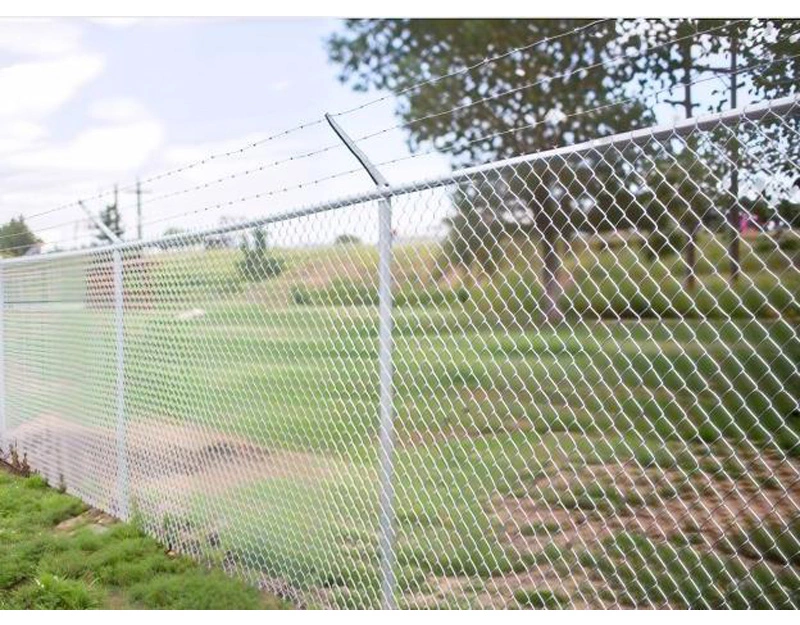
Several case studies have demonstrated the effectiveness of galvanized wire grid systems in various applications. For example, in agricultural settings, galvanized wire is commonly used for fencing and trellising. These systems have shown excellent durability, often lasting for decades with minimal maintenance. In construction, galvanized wire mesh is used for reinforcement in concrete structures, providing additional strength and stability. The ability of galvanized wire to withstand harsh conditions and resist corrosion makes it a preferred choice in these applications. By analyzing these real-world examples, we can gain a deeper understanding of the practical benefits and limitations of galvanized wire grid systems.
In conclusion, the durability of galvanized wire in grid systems is a result of the effective galvanization process, which provides a robust protective layer against corrosion. While environmental factors can pose challenges, proper maintenance and installation practices can significantly extend the lifespan of these systems. As technology continues to advance, new materials and coatings may further enhance the performance of galvanized wire, making it an even more reliable and versatile solution for a wide range of applications. By staying informed about the latest developments and best practices, professionals can ensure that their galvanized wire grid systems remain durable and effective for years to come.
Leave a Reply