

 English
 China
China Thailand
 Malaysia
 Vietnam
 Laos
Laos Cambodia
 Pilipinas
 Indonesia
 Russian
 Portuguese
 Arabic
 Japanese
 Spanish
 Italian
 French
 German
News
- Home
- News
- Company News
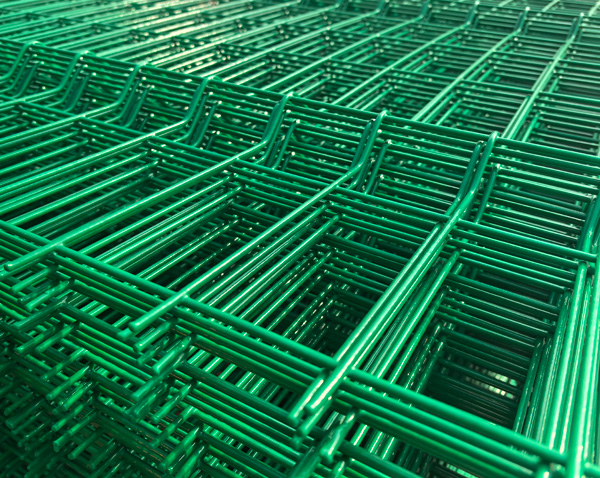
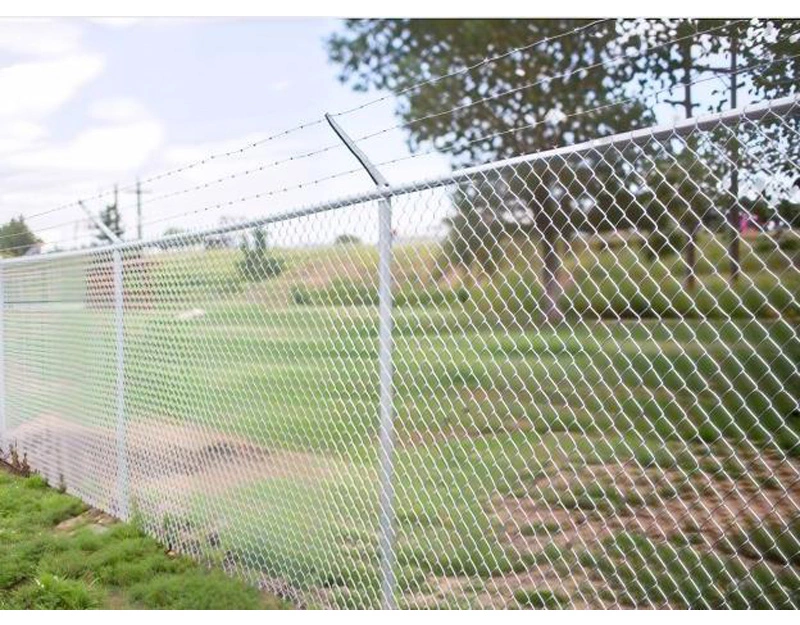
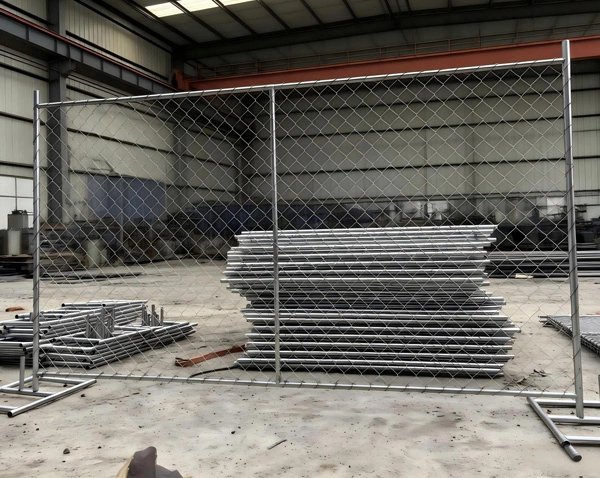
galvanized wire grid systems are widely used in various applications, from construction to agriculture, due to their durability and corrosion resistance. This comprehensive guide aims to provide detailed information on maintaining these structures effectively. Proper maintenance not only extends the lifespan of the galvanized wire grid but also ensures its optimal performance over time.
Galvanization is a process that involves applying a protective zinc coating to steel or iron, which acts as a barrier against corrosion. In the context of a galvanized wire grid system, this process is crucial for ensuring the long-term integrity of the structure. Zinc's sacrificial nature means it corrodes preferentially, protecting the underlying metal. Understanding the principles behind galvanization is the first step towards effective maintenance.
To maintain the quality of the galvanized coating, regular inspection is essential. Look for signs of damage such as scratches, dents, or areas where the zinc has worn off. These vulnerable spots can be treated with a touch-up paint specifically designed for galvanized surfaces. Additionally, avoid exposing the grid to harsh chemicals or abrasive materials, as they can accelerate the degradation of the zinc layer.
One of the most critical aspects of maintaining a galvanized wire grid system is regular cleaning. Dust, dirt, and other debris can accumulate on the surface, potentially leading to corrosion if left unchecked. It is recommended to clean the grid at least twice a year, or more frequently if the environment is particularly dusty or polluted.
For general cleaning, use a mild detergent and water solution. Apply the solution using a soft brush or cloth, being careful not to scratch the surface. After cleaning, rinse thoroughly with clean water and allow the grid to dry completely. For tougher stains or deposits, a pressure washer may be used, but it should be set to a low-pressure setting to avoid damaging the galvanized coating.
It is also important to note that while galvanized wire grids are resistant to rust, they are not immune. Regular cleaning helps prevent the accumulation of moisture, which can lead to the formation of rust. By keeping the grid clean, you can significantly extend its lifespan and maintain its structural integrity.
Regular inspections are vital for identifying any potential issues early on. Inspect the galvanized wire grid system for signs of wear and tear, loose connections, or any deformations. Pay special attention to areas that are subjected to high stress or frequent movement, as these are more prone to damage.
If minor damage is detected, such as small cracks or loose wires, it can often be repaired without the need for complete replacement. Use galvanized wire ties or clips to secure loose sections, and apply a touch-up paint to any exposed metal. For more significant damage, it may be necessary to replace the affected section of the grid. Always ensure that replacement parts are also galvanized to maintain the overall protection of the system.
In addition to visual inspections, consider using non-destructive testing methods such as ultrasonic testing or magnetic particle inspection. These methods can help identify internal defects that may not be visible to the naked eye, ensuring that the grid remains structurally sound.
The environment in which a galvanized wire grid system is installed can significantly impact its longevity. Factors such as humidity, temperature, and exposure to corrosive substances can all contribute to the degradation of the galvanized coating. To protect the grid, it is essential to take into account the specific environmental conditions and implement appropriate measures.
In high-humidity environments, it is advisable to install the grid in a way that allows for proper ventilation. This helps to prevent the buildup of moisture, which can lead to corrosion. If the grid is exposed to saltwater or other corrosive substances, consider applying an additional protective coating, such as a marine-grade epoxy, to enhance its resistance.
Temperature extremes can also affect the performance of the galvanized wire grid. In extremely cold temperatures, the grid may become brittle and more susceptible to cracking. Conversely, in hot climates, the zinc coating can soften and become more prone to damage. To mitigate these effects, ensure that the grid is installed in a manner that minimizes exposure to extreme temperatures, and consider using thermal insulation if necessary.
Maintaining a galvanized wire grid system requires a combination of regular cleaning, inspection, and repair, as well as consideration of the environmental factors that can impact its performance. By following the guidelines outlined in this comprehensive guide, you can ensure that your galvanized wire grid remains in optimal condition, providing reliable and durable service for years to come.
Remember that the key to effective maintenance is consistency. Regularly scheduled inspections and cleaning, along with prompt repairs, will help to prevent minor issues from becoming major problems. By taking a proactive approach to maintenance, you can maximize the lifespan and performance of your galvanized wire grid system.
Leave a Reply