

 English
 China
China Thailand
 Malaysia
 Vietnam
 Laos
Laos Cambodia
 Pilipinas
 Indonesia
 Russian
 Portuguese
 Arabic
 Japanese
 Spanish
 Italian
 French
 German
News
- Home
- News
- Company News
Chemical plants are environments where materials are put to the test, facing extreme conditions that range from high temperatures and pressures to corrosive substances. In such settings, selecting the right material for equipment and components is crucial not only for operational efficiency but also for safety. This report delves into the advantages of employing durable mesh material in chemical processing, focusing on its ability to enhance performance, longevity, and overall cost-effectiveness.
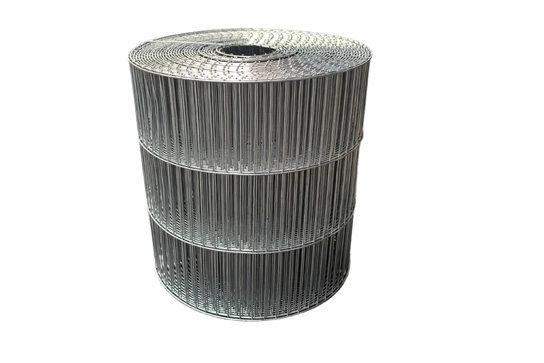
In chemical plants, the efficiency of operations can be significantly influenced by the quality of materials used in various processes. durable mesh material for chemical processing stands out due to its robustness and adaptability. These meshes, often made from metals like stainless steel or specialized alloys, offer a unique combination of strength and flexibility, which is essential for maintaining consistent operation under varying conditions. For instance, in filtration systems, the use of durable mesh ensures that even at high flow rates, the filter maintains its integrity, thereby preventing clogging and reducing downtime. This characteristic is particularly important in continuous production lines, where any interruption can lead to significant losses.
Beyond filtration, these materials also play a critical role in heat exchangers, where they facilitate efficient heat transfer while withstanding thermal stresses. The design of the mesh allows for a large surface area, enhancing the rate of heat exchange, thus improving energy efficiency. Furthermore, the corrosion-resistant properties of many durable mesh materials make them ideal for use in environments where exposure to aggressive chemicals is inevitable, ensuring long-term reliability without frequent replacements.
The longevity of equipment in chemical plants is another key factor that influences the total cost of ownership. Components made from durable mesh material for chemical processing are engineered to last, thanks to their resistance against wear and tear, as well as their inherent durability. This means that once installed, these parts require minimal maintenance, leading to substantial savings over time. Regular inspections and occasional cleaning are generally sufficient to keep the mesh in optimal condition, unlike other materials that may deteriorate rapidly under similar conditions, necessitating more frequent and costly interventions.
Moreover, the versatility of these meshes makes them suitable for a wide array of applications, including but not limited to, separation, distillation, and catalysis. In each of these processes, the material's resilience contributes to extended service life, thereby delaying the need for replacement. As a result, plant operators can plan for longer intervals between major overhauls, allowing for better resource allocation and potentially lower capital expenditures associated with new equipment purchases.
Safety is paramount in any industrial setting, especially in chemical plants where the risk of accidents can have severe consequences. The adoption of durable mesh material for chemical processing helps improve safety standards by providing reliable barriers against potential hazards. For example, in areas where there is a risk of explosion, using a mesh with controlled permeability can help mitigate this danger by limiting the spread of flammable gases or dust. Additionally, the non-reactive nature of many durable mesh materials minimizes the likelihood of unexpected chemical reactions, further safeguarding both personnel and facilities.
Compliance with industry regulations and standards is also easier when using high-quality, durable mesh materials. Regulatory bodies often set stringent requirements regarding the types of materials that can be used in certain applications within chemical plants, emphasizing the importance of choosing products that meet or exceed these criteria. By opting for certified durable mesh solutions, companies can ensure that their operations remain compliant, avoiding penalties and reputational damage that could arise from non-compliance. Furthermore, the transparency and traceability offered by reputable suppliers of such materials add an extra layer of assurance, facilitating audits and inspections.
As the chemical industry continues to evolve, the demand for innovative solutions that enhance productivity, reduce costs, and maintain high safety standards will only increase. Durable mesh material for chemical processing represents a strategic investment for chemical plants looking to future-proof their operations. By leveraging the unique benefits of these materials – from improved operational efficiency and increased longevity to enhanced safety and compliance – organizations can position themselves for sustained success in a challenging and competitive landscape. As technology advances and new challenges emerge, the adaptability and reliability of durable mesh materials will undoubtedly continue to play a pivotal role in shaping the future of chemical processing.

Leave a Reply