

 English
 China
China Thailand
 Malaysia
 Vietnam
 Laos
Laos Cambodia
 Pilipinas
 Indonesia
 Russian
 Portuguese
 Arabic
 Japanese
 Spanish
 Italian
 French
 German
News
- Home
- News
- Company News
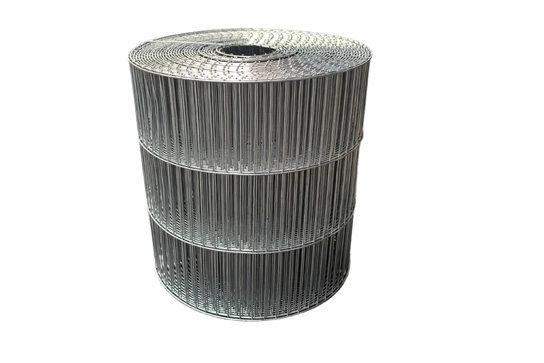
In the realm of chemical processing, the development and application of durable mesh materials have become increasingly important. These materials not only enhance the efficiency and sustainability of chemical processes but also contribute to the safety and cost-effectiveness of operations. This report explores the latest innovations in durable mesh material for chemical processing, highlighting their key features, applications, and the benefits they bring to modern industrial settings.
The foundation of any successful innovation in durable mesh material for chemical processing lies in the advancements made within the field of material science. Recent developments have led to the creation of meshes that are more resistant to corrosion, wear, and extreme temperatures than ever before. For instance, the incorporation of advanced alloys, such as nickel-based superalloys, has significantly improved the durability of these materials under harsh chemical environments. These alloys exhibit exceptional resistance to a wide range of chemicals, including acids, alkalis, and solvents, making them ideal for use in various stages of chemical processing.
Moreover, the integration of nanotechnology into the design of these meshes has opened up new possibilities for enhancing their performance. By manipulating the structure at the nanoscale, scientists can create surfaces with unique properties, such as self-cleaning capabilities or enhanced catalytic activity. Such innovations not only extend the lifespan of the mesh material but also improve its functionality, leading to more efficient and sustainable chemical processes.
One of the primary applications of durable mesh material for chemical processing is in filtration and separation systems. Traditional methods often suffer from clogging, reduced flow rates, and frequent maintenance, which can be costly and time-consuming. However, the introduction of advanced durable meshes has revolutionized this area by providing solutions that are both highly effective and long-lasting.
These innovative meshes feature optimized pore sizes and geometries, allowing for precise control over the separation process. As a result, they can achieve higher throughput rates while maintaining excellent particle retention, thereby increasing overall process efficiency. Additionally, some designs incorporate anti-fouling coatings or self-cleaning mechanisms, further reducing the need for manual intervention and extending operational uptime. This not only leads to cost savings but also enhances the environmental sustainability of chemical plants by minimizing waste and energy consumption.
As industries worldwide face growing pressure to adopt greener practices, the role of durable mesh material for chemical processing in promoting safety and environmental responsibility cannot be overstated. High-quality, durable meshes help prevent leaks and spills, which are common sources of contamination and pollution. By ensuring that containment systems remain intact even under challenging conditions, these materials play a crucial part in protecting both human health and the natural environment.
Furthermore, the longevity of durable meshes means that fewer replacements are required, leading to a reduction in waste generation. This aligns with the principles of circular economy, where resources are used more efficiently and sustainably. In addition, many of the latest mesh materials are designed to be recyclable, further contributing to the goal of minimizing the environmental footprint of chemical processing operations. As such, investing in high-performance, durable mesh solutions is not just a matter of improving operational efficiency; it is also an essential step towards achieving greater sustainability in the industry.
Beyond their technical advantages, the adoption of durable mesh material for chemical processing also offers significant economic benefits. Although the initial investment may be higher compared to conventional options, the long-term savings associated with reduced maintenance, lower replacement costs, and increased productivity make these materials a financially sound choice. Companies that have integrated advanced durable meshes into their processes have reported substantial reductions in operational expenses, enabling them to allocate resources to other critical areas of their business.
Moreover, the enhanced performance of these materials can lead to better product quality, which in turn can boost market competitiveness and customer satisfaction. For example, in the production of fine chemicals, the use of precision-engineered meshes ensures that impurities are effectively removed, resulting in purer end products. This not only meets regulatory standards but also positions companies as leaders in their respective markets. Thus, the strategic implementation of durable mesh solutions represents a win-win scenario, combining financial prudence with technological excellence.
The continuous evolution of durable mesh material for chemical processing reflects the ongoing commitment of the scientific and industrial communities to address the challenges faced by the sector. From enhancing process efficiency through improved filtration and separation to promoting safety and environmental sustainability, these innovations offer a multitude of benefits. As we move forward, it is clear that the development of even more advanced and versatile mesh materials will be pivotal in shaping the future of chemical processing, driving both economic growth and ecological responsibility.

Leave a Reply