

 English
 China
China Thailand
 Malaysia
 Vietnam
 Laos
Laos Cambodia
 Pilipinas
 Indonesia
 Russian
 Portuguese
 Arabic
 Japanese
 Spanish
 Italian
 French
 German
News
- Home
- News
- Company News
wire mesh installation is a common requirement in various construction and industrial projects, from fencing to reinforcement. However, even with the availability of wire mesh installation guides, mistakes can still occur, leading to suboptimal results or even safety hazards. This report aims to highlight some of the most frequent errors made during wire mesh installations and provide guidance on how to avoid them, ensuring that your project meets its intended standards.
One of the first and most crucial steps in any wire mesh installation process is surface preparation. An inadequately prepared surface can lead to poor adhesion, which compromises the integrity of the entire structure. Before installing wire mesh, it's essential to ensure that the surface is clean, free of debris, and properly leveled. For concrete applications, this may involve removing loose particles, oil, or other contaminants using high-pressure water jets or mechanical methods. In addition, any existing cracks or imperfections should be repaired to prevent further damage after the mesh is installed. By taking these preparatory steps seriously, you set a solid foundation for the rest of the installation, significantly reducing the likelihood of future issues.
Selecting an inappropriate type or size of wire mesh is another common mistake. The choice of wire mesh depends largely on the specific application and the requirements of the project. For instance, in structural reinforcement, the strength and gauge of the mesh are critical factors. On the other hand, for fencing, considerations such as visibility, aesthetics, and security come into play. It’s important to consult wire mesh installation guides or seek professional advice to determine the best option for your needs. Factors like the load-bearing capacity, environmental conditions, and expected lifespan should all be taken into account. Choosing the right type and size not only ensures the effectiveness of the installation but also contributes to cost-efficiency by avoiding unnecessary replacements or reinforcements down the line.
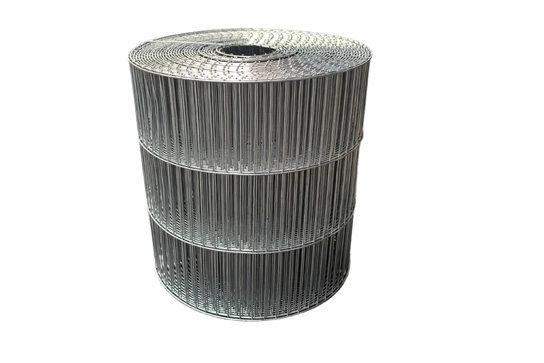
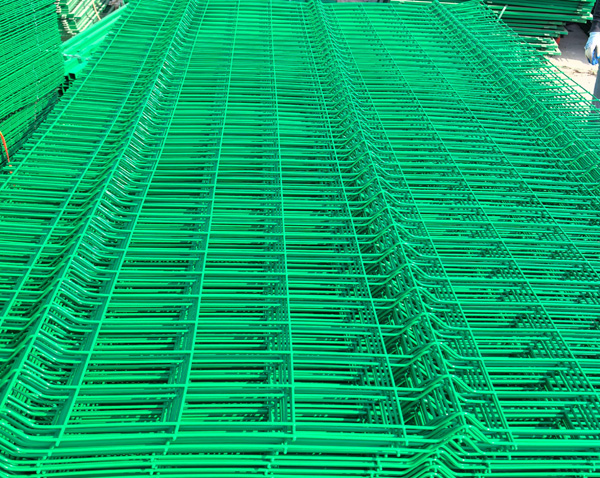
Improper handling and storage of wire mesh can lead to damage, which in turn affects its performance and longevity. Wire mesh should be stored in a dry, well-ventilated area to prevent corrosion and rust. It’s also important to handle the mesh carefully to avoid bending or kinking, as these can weaken the structure and reduce its effectiveness. When transporting wire mesh, use appropriate equipment and secure it properly to prevent shifting or falling. Additionally, if the mesh arrives in rolls, it should be unrolled carefully to maintain its shape and integrity. Proper handling and storage practices help ensure that the wire mesh remains in optimal condition until it is ready for installation, thereby enhancing the overall quality of the project.
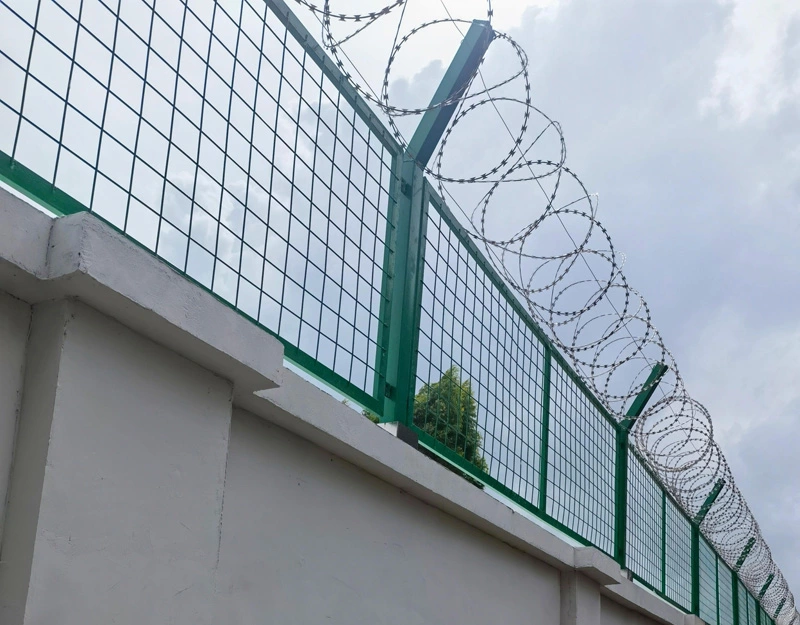
Once the wire mesh is ready for installation, proper fixation and alignment are key to achieving a successful outcome. Incorrect placement or inadequate securing can lead to gaps, misalignment, or even structural failures. Whether you’re using staples, ties, or other fastening methods, make sure they are strong enough to hold the mesh in place under the expected loads. It’s also important to check for uniformity in the spacing and tension of the mesh to ensure consistent support across the entire area. Regular inspections during the installation process can help identify and correct any issues early on, preventing more significant problems later. By paying close attention to these details, you can ensure that the wire mesh is installed correctly and will perform as intended.
The final step in a successful wire mesh installation is ongoing maintenance and inspection. Even with the best initial installation, external factors such as weather, wear, and tear can affect the mesh over time. Regular inspections can help identify any signs of damage, corrosion, or loosening, allowing for timely repairs. Maintenance tasks may include cleaning the mesh, applying protective coatings, and replacing any damaged sections. By establishing a routine maintenance schedule, you can extend the life of the wire mesh and ensure that it continues to provide the necessary support and protection. This proactive approach not only enhances the durability of the installation but also helps in maintaining the safety and functionality of the structure.
In conclusion, while wire mesh installation can seem straightforward, there are several potential pitfalls that can compromise the quality and effectiveness of the project. By avoiding inadequate surface preparation, choosing the right type and size of wire mesh, handling and storing it properly, ensuring proper fixation and alignment, and maintaining regular inspections, you can achieve a successful and long-lasting installation. Consulting wire mesh installation guides and following best practices will help you navigate these challenges and ensure that your project meets the highest standards.
Leave a Reply