

 English
 China
China Thailand
 Malaysia
 Vietnam
 Laos
Laos Cambodia
 Pilipinas
 Indonesia
 Russian
 Portuguese
 Arabic
 Japanese
 Spanish
 Italian
 French
 German
News
- Home
- News
- Company News
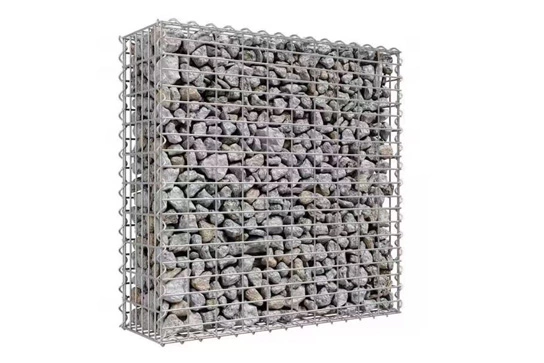
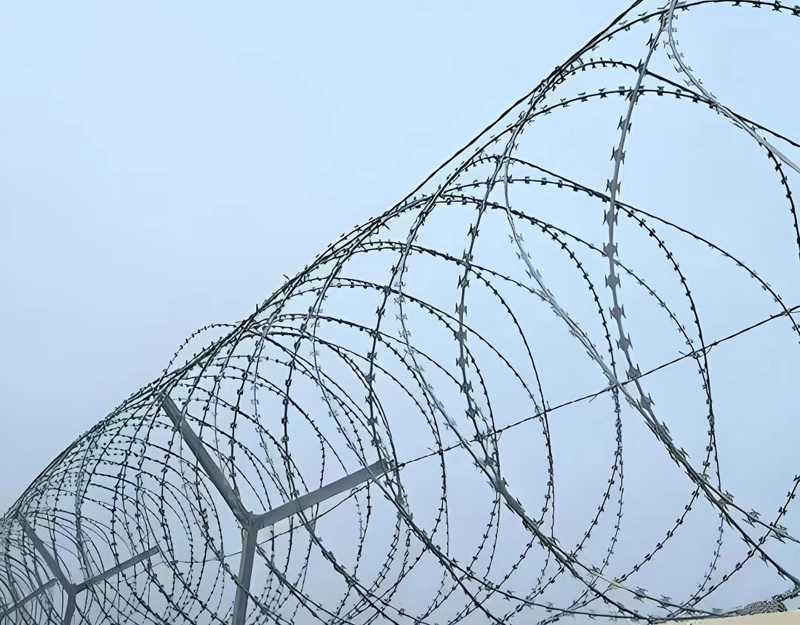
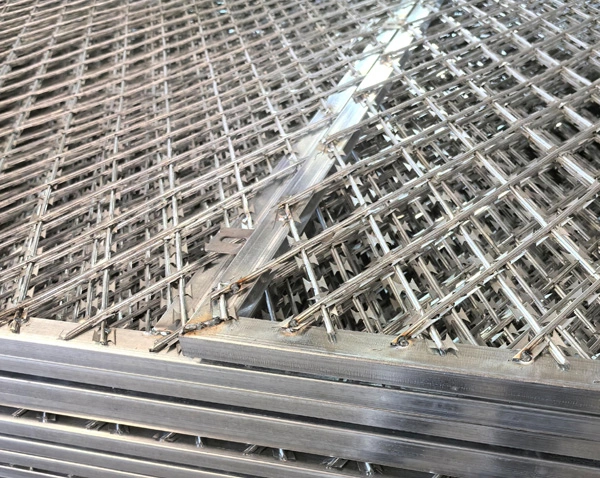
wire mesh, a versatile material known for its strength and durability, is widely used across various industries including construction, agriculture, and even in artistic applications. However, the key to maximizing its benefits lies in proper installation. This report delves into advanced techniques for secure wire mesh installation, offering insights that go beyond basic guidelines. These methods are designed to enhance the structural integrity of projects while ensuring longevity and safety.
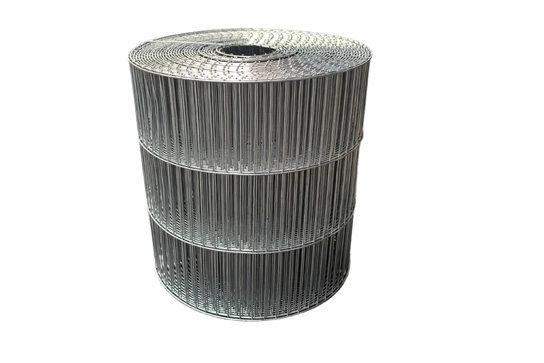
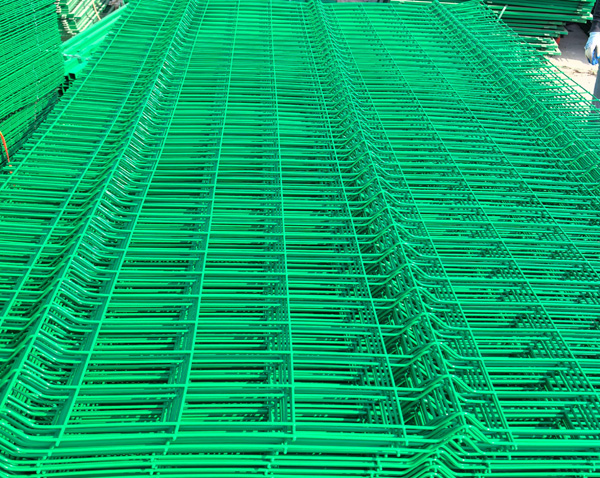
Before diving into advanced techniques, it is crucial to understand the basics of wire mesh and its intended application. Wire mesh comes in different forms, such as welded or woven, each suitable for specific uses. For instance, welded wire mesh, characterized by its rigidity and uniformity, is ideal for fencing and reinforcement, whereas woven wire mesh, more flexible, finds its place in filtration and sieving. Familiarity with these fundamentals allows for better decision-making regarding which type of wire mesh best fits the project's requirements. Moreover, knowing how to properly handle and prepare the wire mesh, such as unrolling it carefully to avoid damage or distortion, sets the stage for a successful installation. By mastering these basics, one lays the groundwork for applying more sophisticated installation strategies, thereby enhancing overall project outcomes.
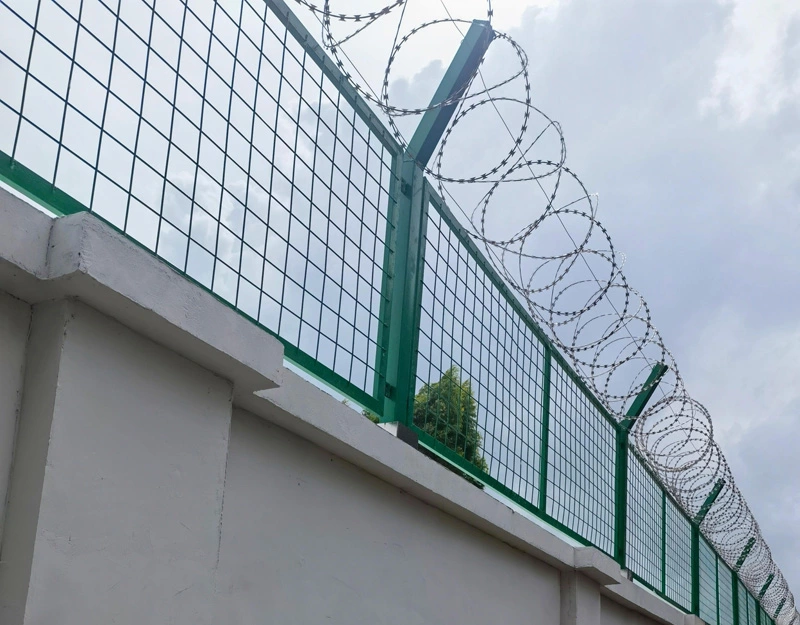
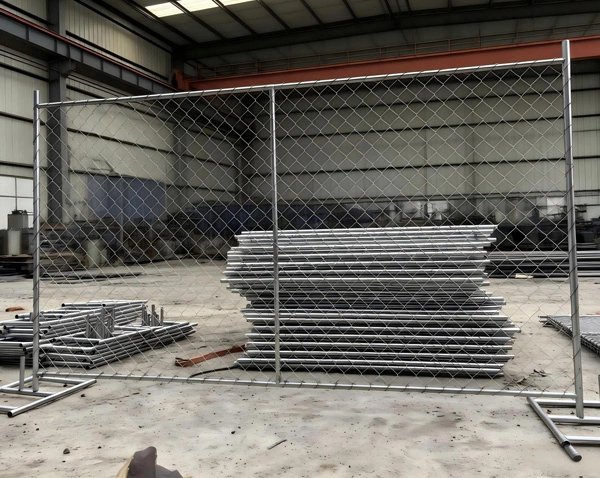
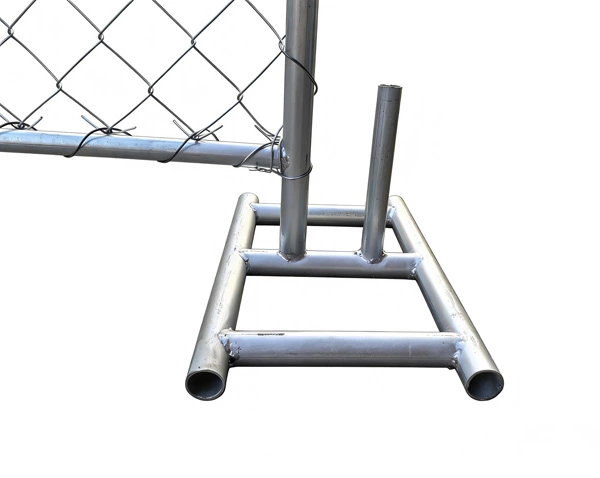
A critical aspect of securing wire mesh installations involves the use of appropriate anchoring methods. Different environments and applications may require varied approaches to ensure the mesh remains firmly in place. In construction, for example, when using wire mesh as concrete reinforcement, employing tie wires or specialized clips at regular intervals ensures the mesh does not shift during the pouring process, thus maintaining the design’s structural integrity. Additionally, for outdoor applications like fencing, choosing the right posts and fasteners, based on factors such as soil type and expected load, significantly impacts the fence's stability and lifespan. Understanding and implementing these optimized anchoring techniques can dramatically improve the security and durability of wire mesh installations, making them capable of withstanding harsh conditions and prolonged use.
Tensioning plays a pivotal role in achieving a stable and secure wire mesh installation. Proper tension not only enhances the aesthetic appeal but also improves the functional performance of the mesh. When installing wire mesh fences, for instance, applying adequate tension helps prevent sagging, which could otherwise compromise security and lead to premature wear. Specialized tools, such as tension bars or cable pullers, facilitate this process, allowing for precise control over the amount of tension applied. It's essential to follow manufacturer guidelines regarding the recommended tension levels, as excessive force can cause damage to the mesh or its supports. Furthermore, regular inspections and adjustments help maintain the desired level of tension throughout the mesh's lifetime, contributing to a longer-lasting and more effective installation. By incorporating these tensioning practices, installers can significantly boost the effectiveness and reliability of their wire mesh projects.
Addressing the unique challenges posed by certain environments requires innovative solutions. Coastal areas, for example, present particular difficulties due to saltwater corrosion. In such cases, selecting stainless steel or galvanized wire mesh can offer enhanced resistance against rust and degradation. Similarly, in high-traffic or industrial settings where physical impact is likely, reinforced wire meshes, possibly combined with additional protective coatings, provide an extra layer of defense. Innovative installation techniques, such as integrating shock absorbers or flexible joints, can further mitigate potential damage from external forces. These advanced solutions not only address environmental and situational challenges but also contribute to the overall resilience and functionality of the installation. By adopting these cutting-edge approaches, professionals can ensure that their wire mesh installations remain robust and efficient, even under the most demanding conditions.
To achieve long-term success with wire mesh installations, regular maintenance is indispensable. A well-maintained wire mesh not only looks better but also performs more effectively over time. Inspection routines should be established to identify any signs of wear, damage, or loosening. Promptly addressing issues such as rust, broken wires, or loose connections prevents minor problems from escalating into major failures. Cleaning the mesh regularly, especially in dusty or corrosive environments, helps preserve its appearance and functionality. Protective treatments, such as anti-corrosion sprays or sealants, can be applied to extend the life of the mesh. By adhering to these maintenance best practices, users can significantly prolong the lifespan of their wire mesh installations, ensuring they continue to serve their purpose efficiently and reliably.
In conclusion, mastering the wire mesh installation guides and employing advanced techniques is crucial for achieving secure and durable installations. From understanding the basics and optimizing anchoring to leveraging tensioning and adopting innovative solutions, each step contributes to the overall success of the project. Regular maintenance further ensures that the installation remains in top condition, providing reliable service for years to come. By following these advanced techniques, professionals can elevate the quality and longevity of their wire mesh installations, meeting the highest standards of safety and performance.
Leave a Reply