

 English
 China
China Thailand
 Malaysia
 Vietnam
 Laos
Laos Cambodia
 Pilipinas
 Indonesia
 Russian
 Portuguese
 Arabic
 Japanese
 Spanish
 Italian
 French
 German
News
- Home
- News
- Company News
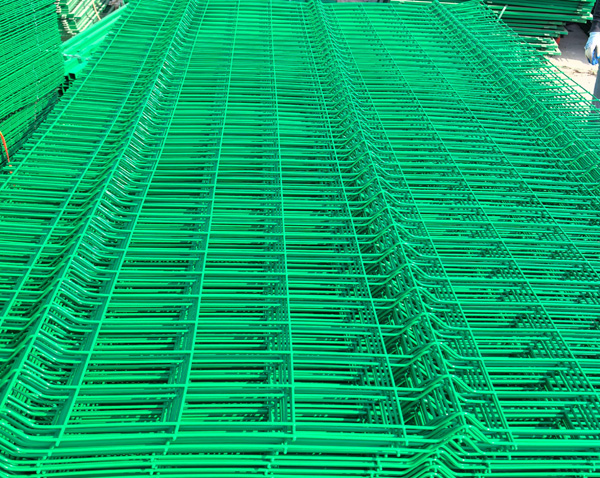
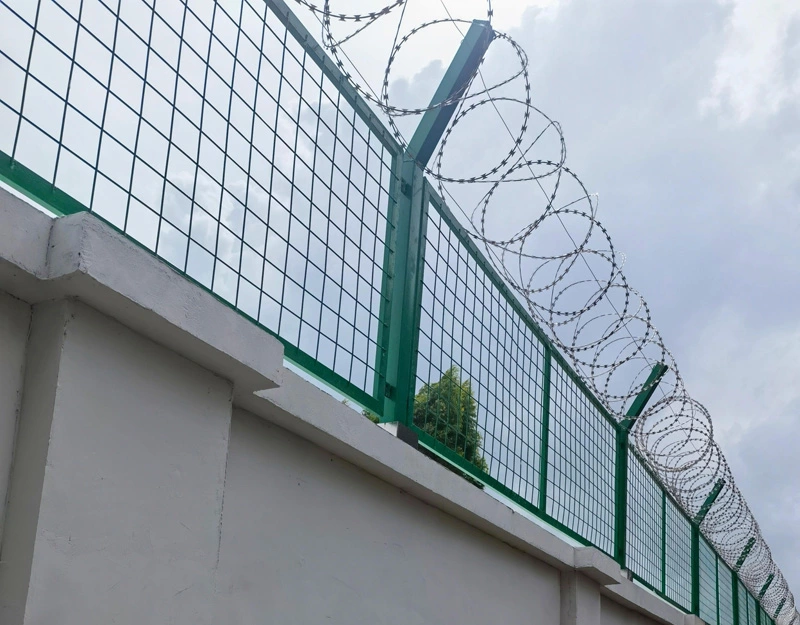
The construction and event management industries in China have seen a significant rise in the use of temporary fence panels, primarily due to their versatility, ease of installation, and cost-effectiveness. This technical report aims to provide an in-depth analysis of the materials commonly used in manufacturing these structures, emphasizing the characteristics, advantages, and potential drawbacks associated with each. Understanding the material composition is crucial for stakeholders to make informed decisions regarding safety, durability, and sustainability.
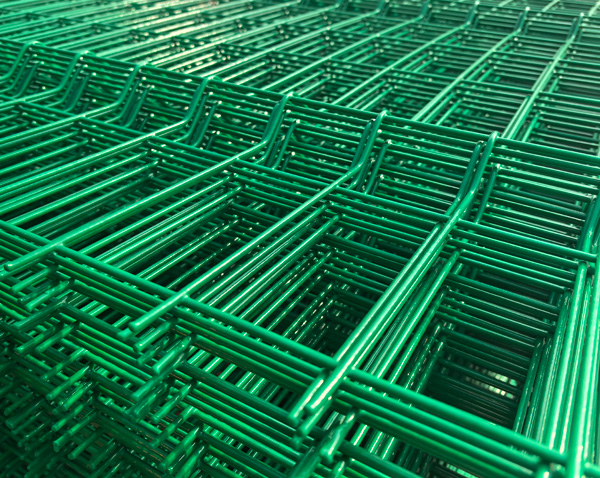
Steel has long been a preferred choice for constructing temporary fence panels in China. Its strength and resistance to deformation under physical stress make it an ideal candidate for environments where security is paramount. Galvanized steel, in particular, is widely utilized due to its superior corrosion resistance, which is achieved by coating the base metal with a layer of zinc. This process not only extends the lifespan of the fence but also reduces maintenance costs over time. However, one must consider that while steel offers excellent structural integrity, it is heavier than other materials, potentially increasing transportation and setup costs. Additionally, despite its protective coatings, exposure to highly corrosive environments can still lead to degradation, necessitating regular inspections and possible replacements.
For applications requiring a more lightweight yet robust solution, aluminum emerges as a popular alternative to steel. Aluminum temporary Fence panels are significantly lighter, making them easier to transport and install. This feature is particularly beneficial for short-term projects or events where quick assembly and disassembly are required. Moreover, aluminum's natural oxide layer provides a degree of protection against rust, although additional treatments such as powder coating can further enhance its resistance to environmental factors. Nevertheless, the initial cost of aluminum fencing tends to be higher compared to steel, and its mechanical properties may not match those of steel in terms of sheer strength, which could limit its suitability for high-security areas.
PVC has gained traction as a material for temporary fence panels due to its affordability and adaptability. It is easy to mold into various shapes and sizes, allowing manufacturers to produce customized designs that meet specific project requirements. PVC fences are also resistant to moisture, rot, and pests, making them suitable for both indoor and outdoor settings. The colorfast nature of PVC ensures that the panels maintain their appearance over extended periods without fading. On the downside, PVC is less durable than metal options; it can become brittle and crack when exposed to extreme temperatures or heavy impacts. Furthermore, concerns about the environmental impact of PVC, including issues related to recyclability and the release of harmful chemicals during production, have led some to question its long-term viability as a sustainable building material.
Recent advancements in material science have given rise to composite materials that blend the benefits of traditional components, offering a new dimension in the realm of Temporary Fencing. Composite panels, often made from a mixture of plastic and fiber, aim to deliver enhanced performance characteristics such as increased flexibility, reduced weight, and improved resistance to weathering. These composites can be engineered to mimic the look and feel of wood or metal, providing aesthetic versatility alongside functional improvements. While they present exciting possibilities, the technology behind composite materials is still evolving, and there remains a need for further research to address challenges related to production scalability and cost efficiency. As the market continues to evolve, it will be interesting to see how these innovative solutions shape the future of temporary fence panel manufacturing in China.
In conclusion, the selection of materials for temporary fence panels in China depends on a variety of factors, including the intended application, budget constraints, and environmental conditions. By carefully evaluating the unique attributes of steel, aluminum, PVC, and emerging composite technologies, industry professionals can select the most appropriate option to meet their needs. Whether prioritizing durability, mobility, cost-effectiveness, or sustainability, understanding the material landscape is key to ensuring successful outcomes in diverse project scenarios.
Leave a Reply