

 English
 China
China Thailand
 Malaysia
 Vietnam
 Laos
Laos Cambodia
 Pilipinas
 Indonesia
 Russian
 Portuguese
 Arabic
 Japanese
 Spanish
 Italian
 French
 German
News
- Home
- News
- Company News
Temporary fence panels are an essential component in many construction sites, public events, and areas requiring temporary security measures across China. These structures not only provide safety but also help in maintaining order and demarcating restricted zones. Understanding the installation process of temporary fence panels China is crucial for ensuring their effectiveness and compliance with local regulations. This report aims to delve into the key aspects of installing these panels, from planning through to final setup, highlighting best practices and common challenges encountered in Chinese projects.
The first step towards successfully setting up temporary Fence panels in any Chinese project is a thorough site assessment. During this phase, it's important to identify the specific requirements of the area where the fences will be installed. Factors such as the size of the site, its layout, existing structures, and the duration for which the fencing is needed all play critical roles. Additionally, understanding the purpose of the fence - whether it's for crowd control, protecting hazardous areas, or securing a construction zone - is vital for choosing the right type of panel and determining the necessary length and height.
Planning also involves considering the legal and regulatory framework governing the use of Temporary Fencing in China. Local authorities may have specific guidelines regarding the materials, dimensions, and even the color of the fences. It’s imperative to consult relevant laws and obtain necessary permits before proceeding with the installation. By conducting a detailed site assessment and planning stage, project managers can ensure that the temporary fence panels are both effective and compliant with local standards.
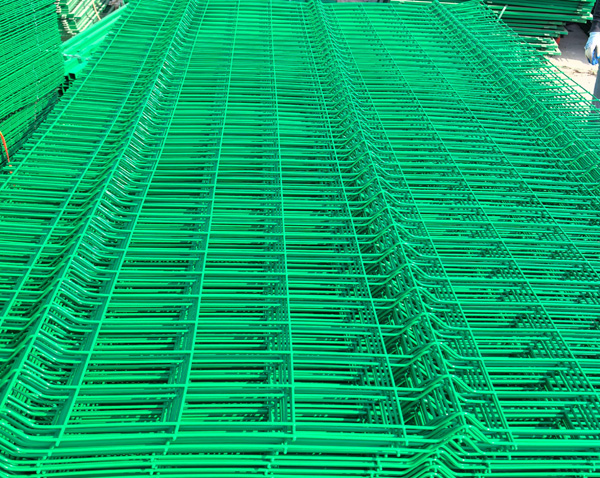
Once the preliminary assessments are complete, the next step is selecting the appropriate type of temporary fence panels and accessories. In China, there are several options available, each designed to meet different needs. For instance, some panels come with anti-climb features, making them ideal for high-security applications. Others might be more lightweight and portable, suitable for short-term events or situations where frequent repositioning is expected.
Besides the basic panels, various accessories are also integral to the installation process. These include posts, bases, clamps, and gates. The choice of these components should align with the overall design and functionality required by the project. Stability is a key concern, especially in areas prone to strong winds or heavy pedestrian traffic. Therefore, selecting sturdy posts and secure bases is paramount. Moreover, considering the ease of assembly and disassembly can significantly impact the efficiency of the setup and teardown processes, which is particularly important for temporary installations.
It's worth noting that while cost is always a factor, compromising on quality can lead to issues down the line, such as premature wear, structural failures, or non-compliance with safety standards. Thus, investing in high-quality materials and reputable suppliers is a wise decision that pays off in terms of durability and reliability.
With the right materials selected, attention turns to the actual installation of the temporary fence panels. Proper installation techniques are crucial for ensuring the stability and longevity of the fencing. One of the most common methods involves using metal or plastic posts anchored into the ground. The depth at which these posts are set depends on the soil type and the expected load; generally, a deeper placement provides greater stability.
Another technique often employed, especially in urban environments where digging might not be feasible, is the use of weighted bases. These bases are filled with water or sand to provide the necessary weight to keep the fence upright. This method is particularly useful for creating barriers on hard surfaces like concrete or asphalt without causing damage.
During the installation, it’s important to follow manufacturer instructions closely. This includes proper alignment of the panels, correct spacing between posts, and secure attachment of all components. Regular inspections during and after the setup are recommended to identify and address any potential weaknesses or misalignments. Furthermore, if the fence is being used in a high-traffic area, additional measures such as warning signs or reflective markers may be necessary to enhance visibility and safety.
Lastly, it’s crucial to train the installation team on the best practices and safety protocols. This ensures that the work is carried out efficiently and safely, minimizing the risk of accidents or damage to the fencing. By adhering to these installation techniques and best practices, project managers can ensure that the temporary fence panels China are installed correctly and effectively serve their intended purpose.
After the installation, the maintenance of temporary fence panels is equally important to ensure their continued effectiveness and safety. Regular inspections should be conducted to check for any signs of wear, damage, or instability. This is particularly crucial in areas with harsh weather conditions or high levels of activity. Any issues identified should be addressed promptly to prevent further damage or potential hazards.
Maintenance tasks may include tightening loose fittings, replacing damaged panels, and ensuring that the fence remains securely anchored. Additionally, keeping the area around the fence clear of debris and obstructions can help maintain its integrity and appearance.
When the need for the temporary fence ends, the removal process should be planned and executed carefully. This involves dismantling the fence in a systematic manner, starting from the top and working downwards. All components should be handled with care to avoid damage, and any reusable parts should be cleaned and stored properly for future use. If the fence was installed using ground anchors, it’s important to fill in the holes to restore the site to its original condition.
Proper disposal of non-reusable materials must also be considered. In China, there are specific regulations regarding the disposal of construction waste, and it’s essential to follow these guidelines to avoid environmental harm and potential fines. By following a well-structured maintenance and removal plan, project managers can ensure that the temporary fence panels are managed responsibly throughout their lifecycle.
The installation of temporary fence panels China is a multifaceted process that requires careful planning, selection of appropriate materials, adherence to best practices, and ongoing maintenance. By conducting a thorough site assessment, choosing the right panels and accessories, and following proper installation techniques, project managers can create effective and compliant temporary fencing solutions. Regular maintenance and a well-planned removal process are also essential to ensure the longevity and responsible management of these structures. With these considerations in mind, temporary fence panels can play a vital role in enhancing safety and order in a wide range of Chinese projects.
Leave a Reply