

 English
 China
China Thailand
 Malaysia
 Vietnam
 Laos
Laos Cambodia
 Pilipinas
 Indonesia
 Russian
 Portuguese
 Arabic
 Japanese
 Spanish
 Italian
 French
 German
News
- Home
- News
- Company News
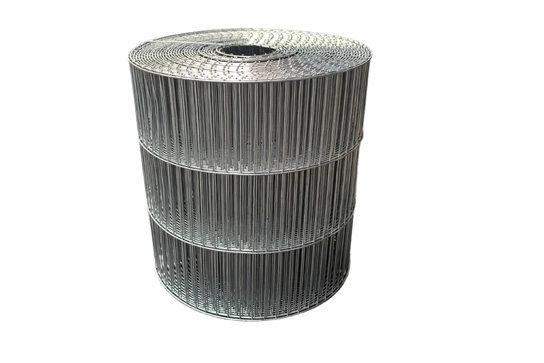
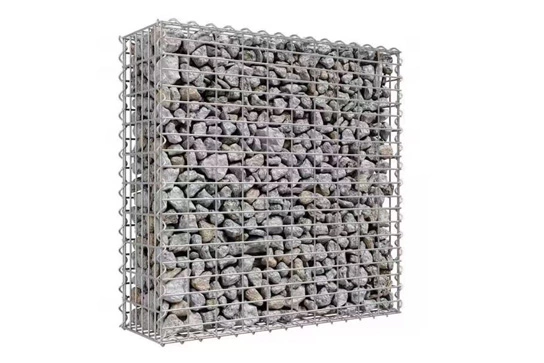
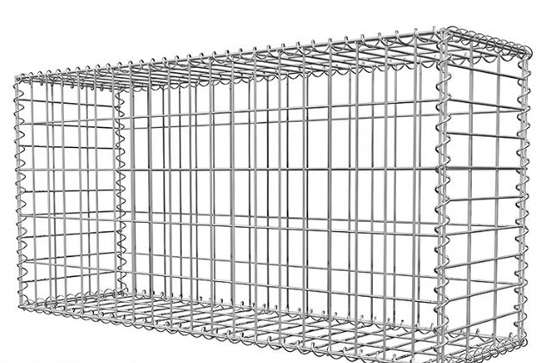
welded wire fencing panels are a popular choice for home security due to their durability, versatility, and cost-effectiveness. These fences consist of wires that are welded at each intersection, creating a strong and stable structure. This section will explore the fundamental aspects of welded wire fencing panels, including their construction, materials, and common applications.
The creation of welded wire fencing panels involves a series of steps designed to ensure strength and reliability. The process begins with selecting high-quality steel or galvanized wire, which is then cut to the desired length. These wires are arranged in a grid pattern and welded together at every intersection. This welding process ensures that the fence remains intact even under significant stress.
Typically, welded wire fencing panels are made from either plain steel or galvanized steel. Plain steel is more affordable but may require additional treatment to prevent rust. Galvanized steel, on the other hand, is coated with a layer of zinc, which provides excellent corrosion resistance. Both materials offer robust protection and can be customized to fit various aesthetic and functional requirements.
Welded wire fencing panels find extensive use in both residential and commercial settings. In homes, they serve as effective barriers against intruders and provide a secure environment for pets and children. In commercial applications, these panels are used to delineate property boundaries, protect valuable assets, and enhance overall security. Their flexibility and ease of installation make them a preferred choice for many property owners.
When it comes to securing your home, welded wire fencing panels offer several advantages over traditional fencing options. This section will delve into the key benefits, including enhanced security, low maintenance, and cost-effectiveness.
One of the primary reasons homeowners choose welded wire fencing panels is their superior security features. The tight grid pattern and strong welds make it difficult for intruders to breach the fence. Additionally, the visibility provided by the open design allows for easy monitoring of the perimeter, deterring potential threats and ensuring a safe environment.
Welded wire fencing panels are known for their low maintenance requirements. Unlike wooden fences, which need regular painting and sealing, these panels require minimal upkeep. A simple cleaning with water and mild soap is usually sufficient to keep them looking new. This makes them an ideal choice for busy homeowners who want a secure and low-maintenance solution.
Another significant advantage of welded wire fencing panels is their cost-effectiveness. They are generally more affordable than other types of fencing, such as chain-link or wrought iron. Additionally, their long lifespan and durability mean that they do not need frequent replacement, further reducing long-term costs. This makes them a budget-friendly option for those looking to enhance their home's security without breaking the bank.
Proper installation and customization are crucial for maximizing the effectiveness of welded wire fencing panels. This section will cover the key considerations for installation, including site preparation, mounting techniques, and customization options.
Before installing welded wire fencing panels, it is essential to prepare the site properly. This includes clearing the area of any debris, marking the fence line, and ensuring the ground is level. Proper site preparation ensures that the fence is installed correctly and remains stable over time. It also helps to prevent any issues that may arise from uneven terrain or obstructions.
There are several methods for mounting welded wire fencing panels, including using posts, brackets, and fasteners. Posts should be securely anchored into the ground, and the panels should be attached to the posts using appropriate hardware. Brackets and fasteners help to ensure that the panels are tightly secured and do not wobble or shift. Following the manufacturer's instructions and using the right tools and materials is essential for a successful installation.
Welded wire fencing panels offer a range of customization options to suit different needs and preferences. These include varying heights, wire gauges, and colors. Height adjustments can be made to meet specific security requirements, while different wire gauges provide varying levels of strength and visibility. Additionally, powder coating or painting the panels can enhance their appearance and match the aesthetic of the surrounding environment. Customizing the fence to fit your specific needs ensures that you get the most out of your investment.

Leave a Reply