

 English
 China
China Thailand
 Malaysia
 Vietnam
 Laos
Laos Cambodia
 Pilipinas
 Indonesia
 Russian
 Portuguese
 Arabic
 Japanese
 Spanish
 Italian
 French
 German
News
- Home
- News
- Company News
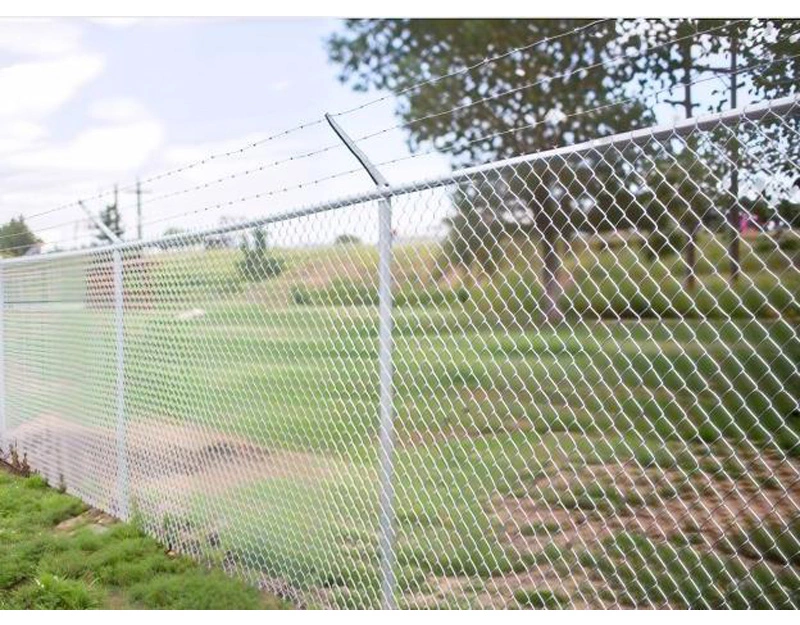
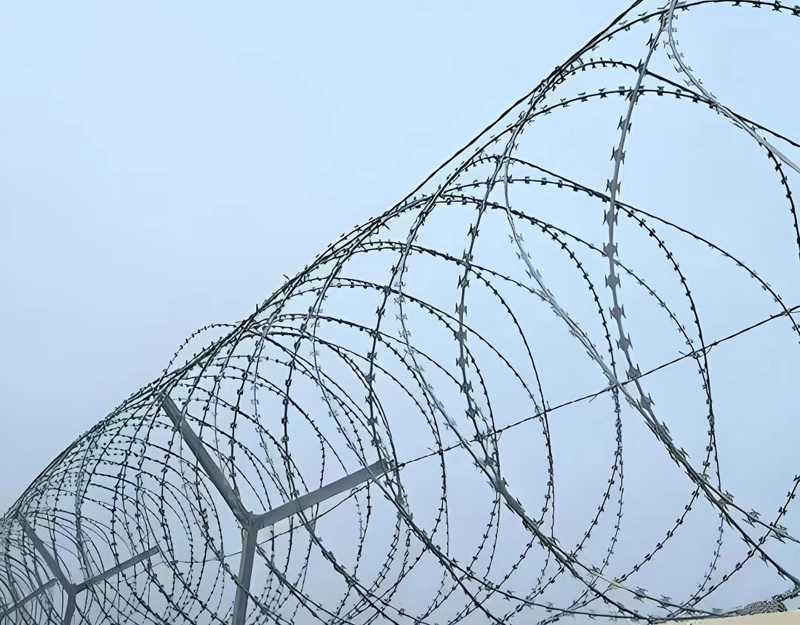
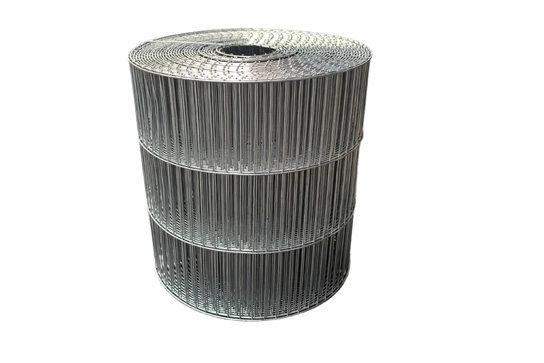
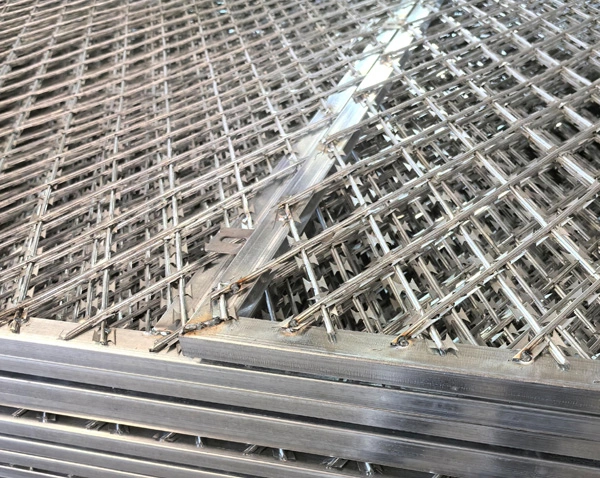
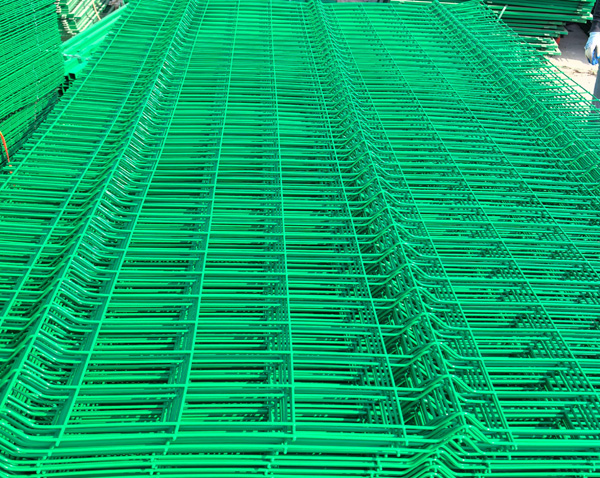
In the realm of perimeter security and architectural design, China wire mesh fence factory has emerged as a pivotal player, delivering innovative and robust solutions. This report delves into the unique offerings and advancements from a renowned China wire mesh fence producer, focusing on their commitment to durability, customization, and environmental sustainability. We will explore how these manufacturers have integrated advanced technologies and materials to create wire mesh fences that not only enhance security but also contribute to aesthetic and functional improvements in various settings. The analysis will cover key aspects such as manufacturing processes, quality control, and the integration of sustainable practices, providing insights into the future of this industry.
The adoption of automation and precision engineering has significantly enhanced the production capabilities of China wire mesh fence factories. Advanced machinery and software solutions enable precise cutting, welding, and finishing, ensuring consistent quality across large volumes of output. This not only improves efficiency but also reduces human error, leading to higher product reliability.
Leading producers are continuously exploring new materials and coatings to improve the durability and longevity of their products. High-strength alloys and anti-corrosive treatments are being developed to withstand harsh weather conditions and resist wear and tear, extending the lifespan of wire mesh fences.
One of the key strengths of top China wire mesh fence manufacturers is their ability to offer customized solutions. Whether it's for residential, commercial, or industrial use, these factories can tailor their designs to meet specific requirements, including height, color, and pattern. This flexibility ensures that the final product perfectly fits the client's needs and preferences.
Beyond functionality, modern wire mesh fences are designed to complement the overall aesthetics of a property. Manufacturers work closely with architects and designers to create visually appealing solutions that blend seamlessly with the surrounding environment. This attention to detail enhances the overall appeal of the installation site.
Top-tier China wire mesh fence producers implement stringent quality control measures at every stage of the manufacturing process. From raw material selection to final inspection, each step is meticulously monitored to ensure compliance with international standards. Regular testing and certification by third-party organizations further validate the quality and safety of the products.
Feedback from customers is a critical component of the quality assurance process. Producers actively seek input from clients and use this information to refine their products and services. This continuous improvement cycle helps maintain high standards and ensures that the latest customer needs are met.
Environmental sustainability is a growing concern in the manufacturing industry. Leading China wire mesh fence factories are increasingly adopting eco-friendly materials and processes to reduce their carbon footprint. Recyclable materials and energy-efficient production methods are being implemented to minimize environmental impact.
Efforts to reduce waste and promote recycling are integral to the operations of these factories. Waste management programs are in place to collect and recycle scrap materials, while initiatives to reuse water and reduce energy consumption are also being pursued. These practices not only benefit the environment but also contribute to cost savings and operational efficiency.
The future of wire mesh fencing lies in the integration of smart technologies. Manufacturers are exploring the use of sensors, IoT (Internet of Things) devices, and other advanced technologies to create intelligent fencing systems. These systems can provide real-time monitoring, intrusion detection, and remote management, enhancing security and convenience.
To stay at the forefront of innovation, leading China wire mesh fence producers are engaging in collaborative research and development efforts. Partnerships with universities, research institutions, and technology companies are driving the development of new materials, designs, and applications. This collaborative approach ensures that the industry remains dynamic and responsive to emerging trends and challenges.
Leave a Reply