

 English
 China
China Thailand
 Malaysia
 Vietnam
 Laos
Laos Cambodia
 Pilipinas
 Indonesia
 Russian
 Portuguese
 Arabic
 Japanese
 Spanish
 Italian
 French
 German
News
- Home
- News
- Company News
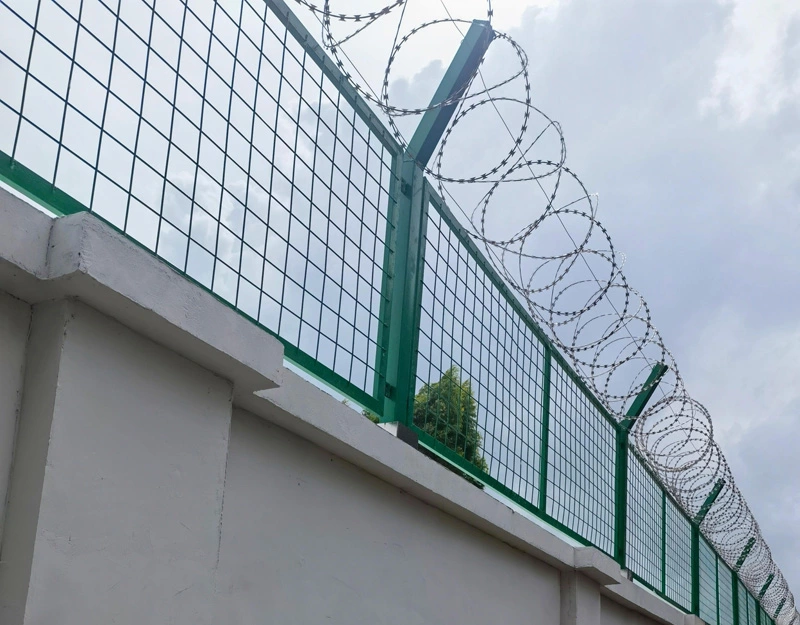
Anti-climb fences play a critical role in enhancing security measures across various settings, from industrial sites to residential areas. The CE certification is a European standard that ensures products meet the necessary safety, health, and environmental protection requirements. This article delves into the standards behind CE certified anti climb fence, providing insights into their design, testing, and implementation.
CE (Conformité Européenne) certification is a mandatory conformity marking for certain products sold within the European Economic Area (EEA). For an anti-climb fence to be CE certified, it must comply with the relevant European Directives and Standards. These include the Construction Products Regulation (CPR), which sets out harmonized technical specifications for construction products. The CE mark indicates that the product has been assessed and meets the required performance criteria, ensuring that it is safe and fit for its intended use. This is particularly important for anti-climb fences, as they are often installed in high-security environments where reliability and durability are paramount.
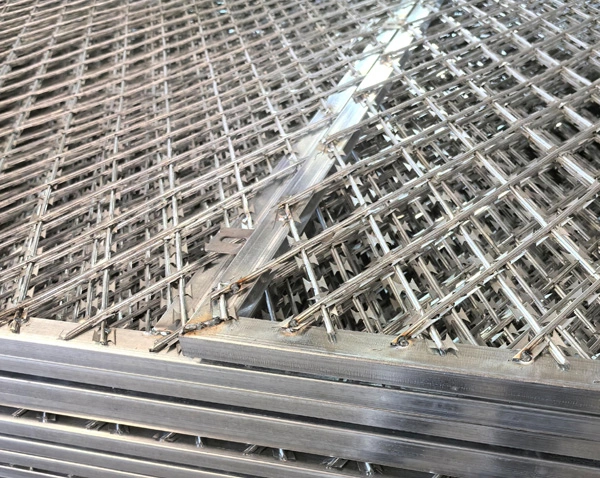
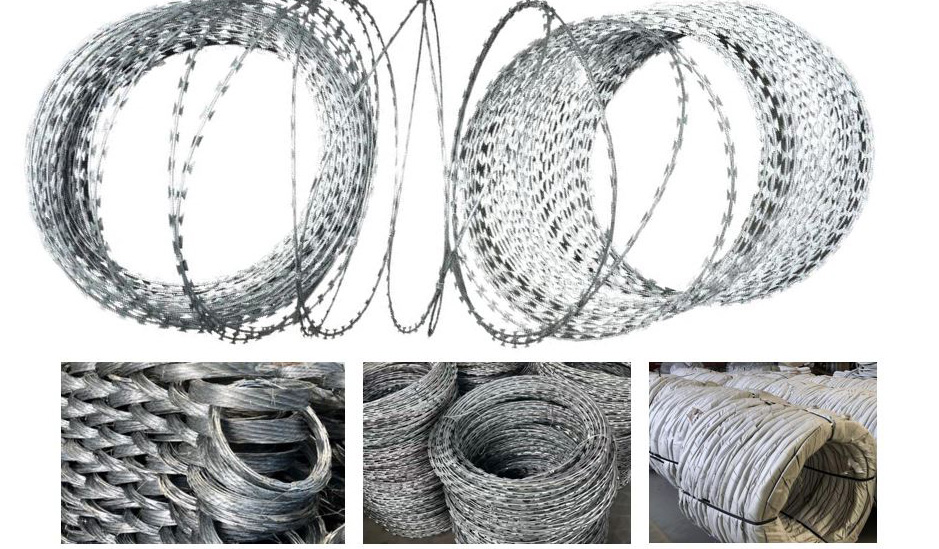
The design of a CE certified anti-climb fence is meticulously planned to prevent unauthorized access. Key features typically include:
Manufacturers must ensure that the design and materials used in the fence meet the specific requirements outlined in the relevant European standards. This includes not only the physical properties of the fence but also its installation and maintenance guidelines.
To achieve CE certification, anti-climb fences must undergo rigorous testing to verify their performance and compliance with the specified standards. These tests include:
Once the fence passes all the required tests, it can be awarded the CE mark, indicating that it meets the necessary safety and performance standards. Manufacturers must also provide a Declaration of Performance (DoP), which outlines the product's characteristics and test results, along with a user manual and installation instructions.
Proper installation and maintenance are essential to ensure the long-term effectiveness of a CE certified anti-climb fence. Installation should be carried out by trained professionals who follow the manufacturer's guidelines. Key considerations include:
Maintenance tasks may include cleaning, repainting, and replacing damaged components. Following these guidelines helps to extend the lifespan of the fence and ensures it continues to provide the necessary security.
CE certified anti-climb fences are designed and tested to meet stringent European standards, ensuring they provide reliable and effective security. By understanding the importance of CE certification, the design and material specifications, testing and compliance procedures, and installation and maintenance guidelines, users can make informed decisions about the selection and implementation of these fences. Whether for industrial, commercial, or residential applications, a CE certified anti-climb fence offers peace of mind and enhanced security, making it a valuable investment in any security strategy.


Leave a Reply