

 English
 China
China Thailand
 Malaysia
 Vietnam
 Laos
Laos Cambodia
 Pilipinas
 Indonesia
 Russian
 Portuguese
 Arabic
 Japanese
 Spanish
 Italian
 French
 German
News
- Home
- News
- Company News
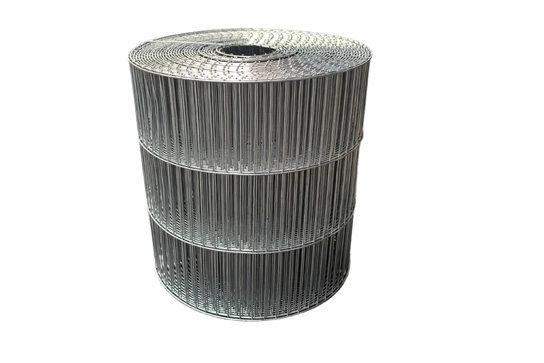
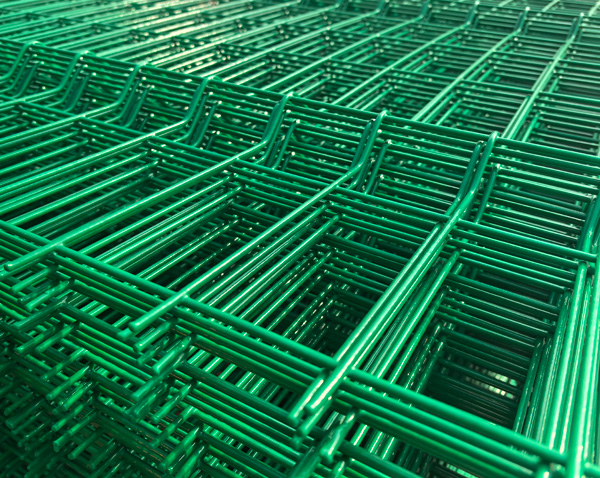
welded wire mesh for fencing is a versatile and widely used material in both residential and commercial settings. Its popularity stems from its durability, cost-effectiveness, and ease of installation. This report aims to provide a comprehensive understanding of the durability aspects of welded wire mesh for fencing, focusing on the key factors that contribute to its longevity and performance.
The durability of any fencing material, including welded wire mesh for fencing, is significantly influenced by its material composition and quality. Welded wire mesh is typically made from galvanized steel, which offers excellent resistance to corrosion and rust. The galvanization process involves coating the Steel Wires with a layer of zinc, which acts as a protective barrier against moisture and other environmental elements. High-quality galvanized steel ensures that the wire mesh remains robust and resistant to wear and tear over time. Additionally, some manufacturers offer stainless steel options, which provide even greater corrosion resistance and are suitable for more demanding environments.
The manufacturing process plays a crucial role in determining the overall durability of Welded Wire Mesh for Fencing. The primary method of production involves welding individual wires at their intersections to form a rigid and stable structure. This welding process must be performed with precision to ensure that each joint is strong and secure. Modern manufacturing techniques, such as electric resistance welding (ERW), are commonly used to achieve consistent and high-quality welds. ERW uses an electric current to heat the wires to a molten state, allowing them to fuse together seamlessly. The result is a mesh that is not only durable but also uniform in appearance and strength. Furthermore, the use of advanced machinery and quality control measures during the manufacturing process helps to minimize defects and inconsistencies, further enhancing the product's longevity.
The durability of welded wire mesh for fencing can also be affected by environmental factors and the level of maintenance it receives. Exposure to harsh weather conditions, such as heavy rain, snow, and extreme temperatures, can accelerate the degradation of the material. However, the galvanized or stainless steel construction of the mesh provides a significant level of protection against these elements. Regular maintenance, such as cleaning and inspection, can help to identify and address any potential issues before they become more serious. For example, removing debris and applying a protective coating or sealant can further enhance the mesh's resistance to corrosion and extend its lifespan. It is also important to ensure that the fence is properly installed and supported, as improper installation can lead to structural weaknesses and premature failure.
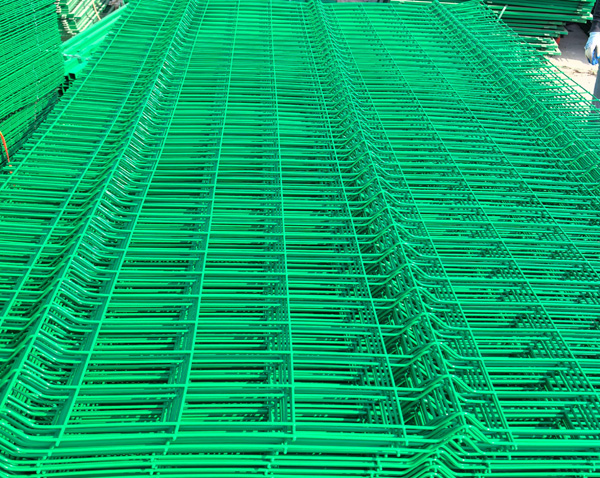
Understanding the specific applications and use cases of welded wire mesh for fencing is essential for maximizing its durability. This type of fencing is commonly used in a variety of settings, including agricultural, industrial, and residential areas. In agricultural settings, welded wire mesh is often used to create enclosures for livestock, providing a secure and durable boundary. In industrial settings, it is frequently employed for security purposes, such as perimeter fencing around warehouses and factories. For residential use, welded wire mesh is a popular choice for garden fences, pet enclosures, and decorative barriers. Each application may have unique requirements and challenges, and the durability of the mesh can be optimized by selecting the appropriate gauge, size, and finish. For example, a heavier gauge wire may be more suitable for high-traffic or high-security areas, while a lighter gauge may be sufficient for less demanding applications.
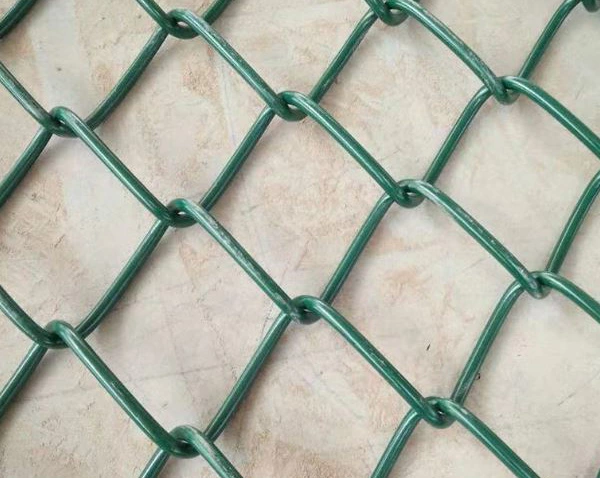
When evaluating the durability of welded wire mesh for fencing, it is useful to compare it with other common fencing materials. Traditional wooden fences, for instance, are prone to rot, insect damage, and warping, especially in humid or wet climates. Vinyl fences, while resistant to rot and insects, can become brittle and crack over time due to exposure to UV radiation. Chain-link fences, another popular option, are durable but may lack the aesthetic appeal and security features of welded wire mesh. In comparison, welded wire mesh offers a balance of strength, durability, and versatility. Its ability to withstand harsh environmental conditions, combined with its low maintenance requirements, makes it a preferred choice for many applications. Moreover, the customizable nature of welded wire mesh allows for a wide range of design options, making it a flexible solution for various fencing needs.
In conclusion, the durability of welded wire mesh for fencing is a result of several key factors, including the material composition, manufacturing process, environmental factors, and maintenance. By understanding these aspects, users can make informed decisions about the selection and care of their fencing, ensuring that it remains functional and aesthetically pleasing for years to come. Whether used in agricultural, industrial, or residential settings, welded wire mesh offers a reliable and long-lasting solution for a wide range of fencing needs.
Leave a Reply