

 English
 China
China Thailand
 Malaysia
 Vietnam
 Laos
Laos Cambodia
 Pilipinas
 Indonesia
 Russian
 Portuguese
 Arabic
 Japanese
 Spanish
 Italian
 French
 German
News
- Home
- News
- Company News
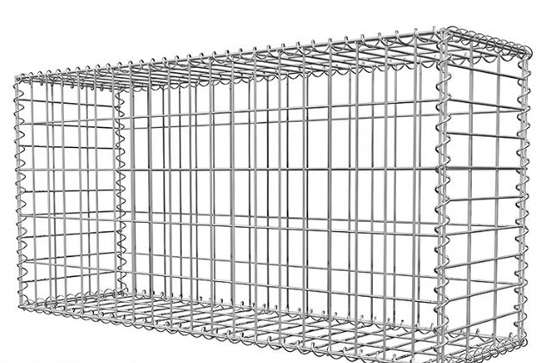
Hot-dip galvanized gabions have become a popular choice in civil engineering projects due to their durability, versatility, and cost-effectiveness. This report delves into the benefits of using hot-dip galvanized gabions, exploring their role in erosion control, structural stability, and environmental sustainability. Additionally, we will discuss how these gabions can be enhanced with fine stainless steel filter mesh for improved performance. By understanding the advantages and applications of hot-dip galvanized gabions, engineers and project managers can make informed decisions that lead to more resilient and sustainable infrastructure.
One of the primary benefits of hot-dip galvanized gabions is their superior resistance to corrosion. The galvanization process involves immersing the gabion wire in molten zinc, which forms a protective layer on the surface. This zinc coating acts as a barrier, preventing moisture and other corrosive elements from reaching the underlying steel. As a result, hot-dip galvanized gabions can withstand harsh environmental conditions, including exposure to saltwater, acidic soils, and extreme temperatures, making them ideal for coastal and marine projects.
The corrosion-resistant properties of hot-dip galvanized gabions significantly extend their lifespan compared to uncoated or painted alternatives. A well-galvanized gabion can last up to 50 years or more, depending on the environmental conditions. This longevity not only reduces maintenance costs but also ensures that the structure remains stable and functional over an extended period. For critical infrastructure projects, such as retaining walls and bridge abutments, the long-term durability of hot-dip galvanized gabions is a crucial factor in ensuring safety and reliability.
Hot-dip galvanized gabions are highly flexible and adaptable, making them suitable for a wide range of civil engineering applications. The wire mesh structure allows the gabions to conform to the natural contours of the terrain, providing a seamless integration with the surrounding environment. This flexibility is particularly beneficial in areas with uneven or sloping ground, where traditional rigid structures may be less effective. Additionally, the ability to stack and interlock gabions enables the creation of complex and robust structures, such as retaining walls, revetments, and channel linings.
Another key advantage of hot-dip galvanized gabions is their ability to distribute loads evenly and stabilize soil. The open structure of the gabions allows for the free flow of water, reducing hydrostatic pressure and minimizing the risk of erosion. When filled with stone or other aggregate materials, the gabions provide a stable and permeable foundation that can support significant loads. This makes them ideal for stabilizing slopes, preventing landslides, and reinforcing embankments. The use of Fine Stainless Steel Filter Mesh can further enhance the effectiveness of gabions by preventing the loss of fine particles and maintaining the integrity of the fill material.
While the initial investment in hot-dip galvanized gabions may be slightly higher than that of uncoated alternatives, the long-term cost savings are substantial. The reduced need for maintenance and replacement over the life of the structure translates into lower overall costs. Additionally, the ease of installation and the ability to use locally sourced fill materials can further reduce project expenses. The combination of durability, low maintenance, and efficient installation makes hot-dip galvanized gabions a cost-effective solution for many civil engineering projects.
Once installed, hot-dip galvanized gabions require minimal maintenance. The zinc coating provides a self-healing effect, where any small scratches or damage to the surface are protected by the sacrificial nature of the zinc. This means that even if the coating is partially damaged, the remaining zinc will continue to protect the underlying steel. Regular inspections and minor repairs, such as replacing loose stones or repairing minor damage to the wire mesh, are typically sufficient to maintain the integrity of the structure. This low-maintenance requirement is particularly advantageous in remote or hard-to-reach locations, where regular maintenance can be challenging and costly.
Hot-dip galvanized gabions offer several environmental benefits, making them a sustainable choice for civil engineering projects. The use of recycled steel and the potential for local sourcing of fill materials reduces the carbon footprint associated with transportation and manufacturing. Additionally, the permeable nature of the gabions promotes natural drainage and supports the growth of vegetation, enhancing the ecological value of the site. The incorporation of fine stainless steel filter mesh can further improve the environmental performance by preventing soil erosion and promoting the establishment of plant roots.
Beyond their functional benefits, hot-dip galvanized gabions can also contribute to the aesthetic appeal of a project. The natural stone fill used in gabions can blend seamlessly with the surrounding landscape, creating a visually pleasing and harmonious appearance. In urban settings, gabions can be designed to incorporate various types of decorative stones or even colored aggregates, adding a touch of creativity and uniqueness to the project. The ability to customize the appearance of gabions makes them a versatile and attractive option for both rural and urban environments.
Leave a Reply