

 English
 China
China Thailand
 Malaysia
 Vietnam
 Laos
Laos Cambodia
 Pilipinas
 Indonesia
 Russian
 Portuguese
 Arabic
 Japanese
 Spanish
 Italian
 French
 German
News
- Home
- News
- Company News
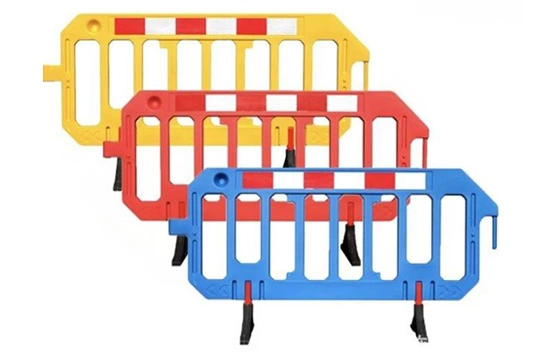
In recent years, the evolution of traffic control devices has seen significant advancements, particularly in the realm of plastic traffic barriers and traffic cones. These innovations are not only enhancing road safety but also improving the efficiency of traffic management. This report explores several key developments in traffic cone technology that contribute to safer roads, with a focus on the role of plastic traffic barriers.
One of the primary challenges in traffic management is ensuring that drivers can clearly see and understand the placement of barriers and cones, especially under low-light conditions. Recent advancements in reflective materials have significantly improved the visibility of plastic traffic barriers. These materials, often integrated into the surface of the cones, reflect light from vehicle headlights, making them highly visible even in the dark. The use of high-visibility colors, such as fluorescent orange and yellow, further enhances their detectability. This increased visibility is crucial for alerting drivers to potential hazards or changes in traffic patterns, thereby reducing the risk of accidents.
Another critical aspect of modern traffic cones is their durability. Traditional cones, often made of rubber or other less robust materials, were prone to damage and wear, leading to frequent replacements and higher maintenance costs. In contrast, plastic traffic barriers are designed to withstand harsh weather conditions, heavy vehicular traffic, and prolonged exposure to UV rays. The use of high-density polyethylene (HDPE) and other advanced plastics ensures that these barriers remain intact and functional over extended periods. This durability not only reduces the need for frequent replacements but also contributes to more sustainable and cost-effective traffic management solutions.
The flexibility and adaptability of plastic traffic barriers are another significant innovation. Many modern designs feature modular components that can be easily connected and reconfigured to suit various traffic control needs. This modularity allows for quick and efficient setup and teardown, which is particularly beneficial in dynamic environments such as construction sites, where traffic patterns may change frequently. Additionally, the ability to customize the height and configuration of the barriers enables traffic managers to create more effective and targeted safety measures. For example, taller barriers can be used in areas with higher-speed traffic, while shorter ones can be employed in pedestrian zones or lower-speed areas.
Advancements in smart technologies are also being integrated into traffic cones, including plastic traffic barriers. Some modern cones are equipped with sensors and communication devices that can monitor and relay real-time data about traffic flow, weather conditions, and other relevant information. This data can be transmitted to central traffic management systems, allowing for more informed decision-making and proactive adjustments to traffic control strategies. For instance, if a sensor detects an increase in traffic congestion, the system can automatically adjust signal timings or deploy additional barriers to manage the flow more effectively. This integration of smart technologies not only enhances the functionality of traffic cones but also contributes to a more responsive and efficient traffic management system.
Finally, the ergonomic design of plastic traffic barriers is an important consideration. Traditional cones were often cumbersome and difficult to handle, which could lead to inefficiencies during deployment and retrieval. Modern designs, however, are lightweight and easy to carry, with features such as handles and stackable bases. These user-friendly features make it easier for traffic management personnel to set up and remove barriers quickly and safely. Additionally, the stability of these barriers is enhanced by their wide base and low center of gravity, reducing the risk of tipping over in windy conditions or when struck by vehicles. This combination of ease of use and stability makes plastic traffic barriers a preferred choice for many traffic control applications.
In conclusion, the continuous innovation in traffic cone technology, particularly in the area of plastic traffic barriers, is playing a vital role in improving road safety. Enhanced visibility, durability, modular design, integration with smart technologies, and ergonomic features are all contributing to more effective and efficient traffic management. As these technologies continue to evolve, they will undoubtedly play an even more significant role in creating safer and more manageable roadways.

Leave a Reply