

 English
 China
China Thailand
 Malaysia
 Vietnam
 Laos
Laos Cambodia
 Pilipinas
 Indonesia
 Russian
 Portuguese
 Arabic
 Japanese
 Spanish
 Italian
 French
 German
News
- Home
- News
- Company News
welded wire mesh, a versatile and durable material, has found its place in numerous applications across the construction industry. Its unique properties, such as strength, flexibility, and ease of installation, make it an ideal choice for various projects. This report explores how welded wire mesh is utilized in modern construction, from reinforcing concrete structures to enhancing security with fences. Through a detailed analysis, we will uncover the benefits, applications, and future prospects of this essential building component.
The strength and durability of welded wire mesh are primarily attributed to its high-quality steel composition. The manufacturing process involves electric resistance welding, which fuses intersecting wires at their cross points, creating a rigid yet flexible structure. This method ensures that the mesh can withstand significant loads without deforming or breaking, making it suitable for heavy-duty applications such as reinforcement in concrete slabs and walls.
One of the key advantages of welded wire mesh is its resistance to corrosion and environmental factors. Many manufacturers offer galvanized or coated versions, which provide additional protection against rust and other forms of degradation. This makes the material particularly useful in coastal areas or regions with high humidity, where traditional materials may deteriorate quickly. Additionally, the mesh's open structure allows for air circulation, reducing the risk of moisture accumulation and further enhancing its longevity.
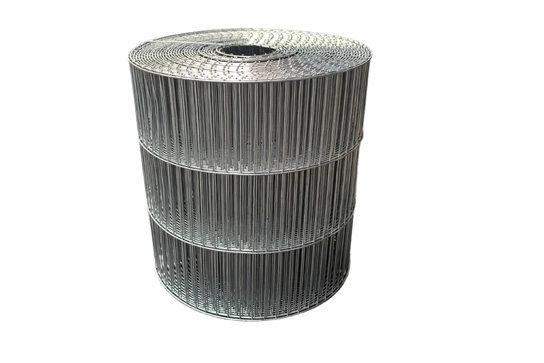
Welded wire mesh is widely used as a reinforcement material in concrete structures. It provides uniform support and distributes stresses evenly, thereby enhancing the overall structural integrity of the building. Unlike traditional rebar, which requires manual tying and placement, welded wire mesh can be easily rolled out and positioned, significantly reducing labor costs and installation time. This efficiency is particularly beneficial in large-scale projects where speed and cost-effectiveness are crucial.
The versatility of welded wire mesh extends to various components of a building, including slabs, walls, and columns. In slabs, it helps prevent cracking and provides a stable base for flooring. For walls, the mesh reinforces the structure, making it more resistant to lateral forces and improving its load-bearing capacity. In columns, it enhances the tensile strength, ensuring that the vertical supports can withstand the weight of the entire structure. These applications demonstrate the material's adaptability and effectiveness in different parts of a building.
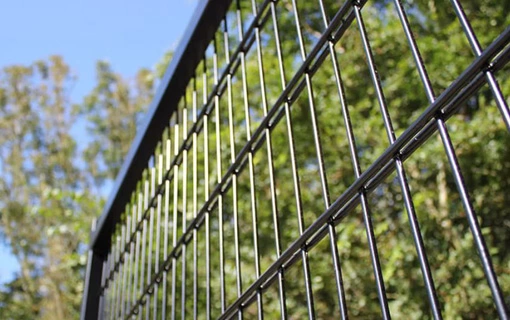
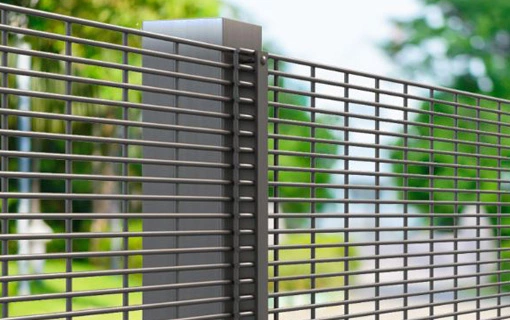
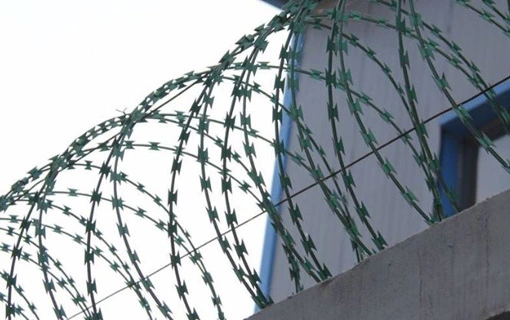
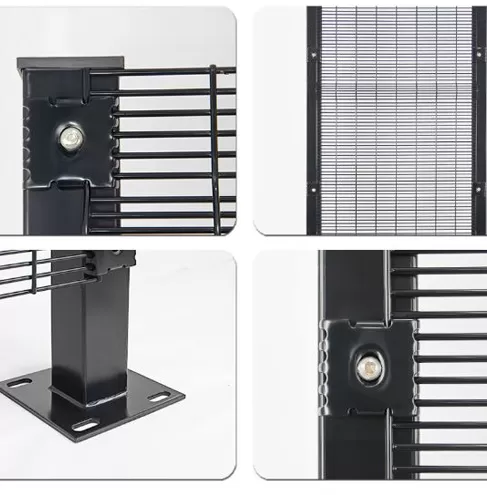
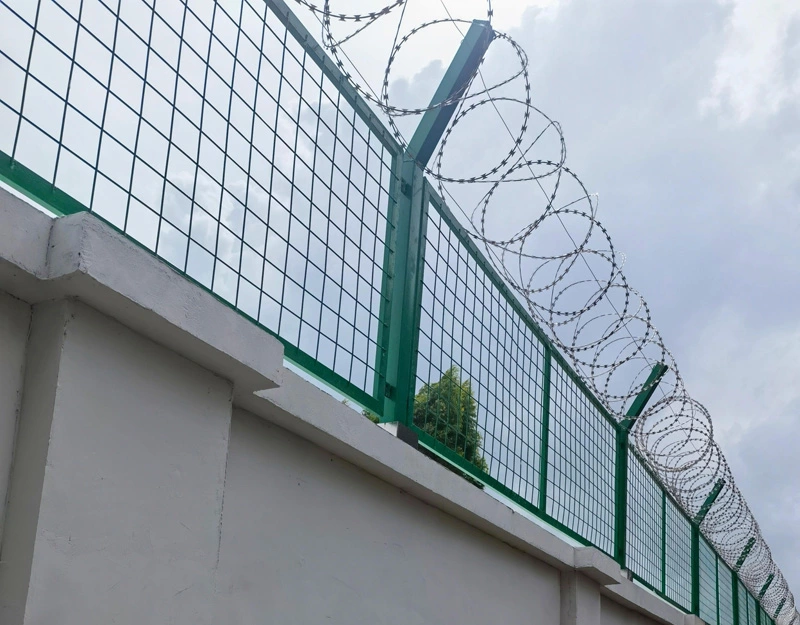
Welded wire mesh is also a popular choice for security fencing due to its robust nature. The tight grid pattern and strong welds make it difficult for intruders to breach, providing a high level of security for residential, commercial, and industrial properties. Moreover, the material's visibility allows for clear sightlines, making it easier to monitor the perimeter and detect any potential threats. This combination of strength and transparency makes welded wire mesh an excellent option for secure fencing solutions.
While security is a primary concern, aesthetics also play a significant role in the selection of fencing materials. Welded wire mesh offers a clean and modern appearance, which can complement various architectural styles. Additionally, it can be customized with different colors and finishes to match the surrounding environment or specific design requirements. This flexibility in design allows for the creation of functional and visually appealing fences that enhance the overall look of a property.
Welded wire mesh is an eco-friendly and sustainable building material. The steel used in its production is recyclable, and many manufacturers use recycled steel to reduce the environmental impact. This closed-loop recycling process minimizes waste and conserves natural resources, making it a more sustainable choice compared to non-recyclable alternatives. Furthermore, the long lifespan of the material reduces the need for frequent replacements, contributing to a lower carbon footprint over time.
The use of welded wire mesh in construction can also contribute to energy efficiency. When used as a reinforcement in concrete, it helps create a more efficient and durable structure, reducing the need for maintenance and repairs. Additionally, the material's open structure allows for better air circulation, which can help regulate temperature and improve indoor comfort. This, in turn, can lead to reduced energy consumption for heating and cooling, making buildings more energy-efficient and cost-effective to operate.
One of the most significant advantages of welded wire mesh is its cost-effectiveness and ease of installation. Compared to traditional rebar, which requires extensive cutting, bending, and tying, welded wire mesh can be easily unrolled and placed in position. This streamlined process significantly reduces labor costs and installation time, making it a more economical choice for construction projects. The material's uniformity also ensures consistent quality, eliminating the risk of human error and improving the overall efficiency of the construction process.
In addition to initial cost savings, welded wire mesh offers long-term cost benefits. Its durability and resistance to corrosion mean that it requires minimal maintenance over its lifespan, reducing the need for costly repairs and replacements. This longevity translates into lower long-term costs for building owners and operators. Furthermore, the material's ability to enhance the structural integrity and energy efficiency of a building can lead to additional cost savings through reduced maintenance and energy expenses.
As material science continues to advance, new innovations in welded wire mesh are on the horizon. Researchers are exploring ways to further enhance the material's properties, such as increasing its strength, flexibility, and resistance to environmental factors. These advancements could lead to even more versatile and durable applications, expanding the material's use in various construction projects. For example, the development of self-healing coatings and advanced alloys could make the mesh more resistant to corrosion and extend its lifespan even further.
Another area of potential growth for welded wire mesh is its integration with smart building technologies. As the construction industry increasingly adopts digital and IoT (Internet of Things) solutions, there is an opportunity to incorporate sensors and other monitoring devices into the mesh. This could enable real-time monitoring of structural health, environmental conditions, and security, providing valuable data for maintenance and operational decision-making. Such integration could transform welded wire mesh into a smart, connected building component, enhancing its functionality and value in modern construction.
Leave a Reply