

 English
 China
China Thailand
 Malaysia
 Vietnam
 Laos
Laos Cambodia
 Pilipinas
 Indonesia
 Russian
 Portuguese
 Arabic
 Japanese
 Spanish
 Italian
 French
 German
News
- Home
- News
- Company News
The increasing demand for effective perimeter security solutions has led to the development and implementation of various technologies designed to deter, detect, and delay unauthorized access. Among these, sharp edge barrier systems have emerged as a critical component in enhancing the overall security posture of facilities ranging from industrial complexes to residential areas. This report delves into the role of sharp edge barriers within the broader context of perimeter security, examining their effectiveness, application, and the considerations that go into their deployment.
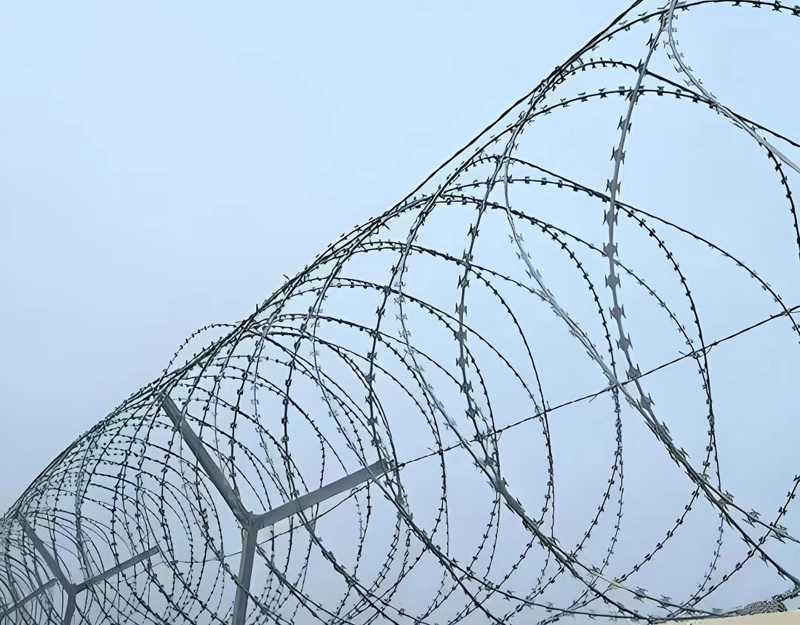
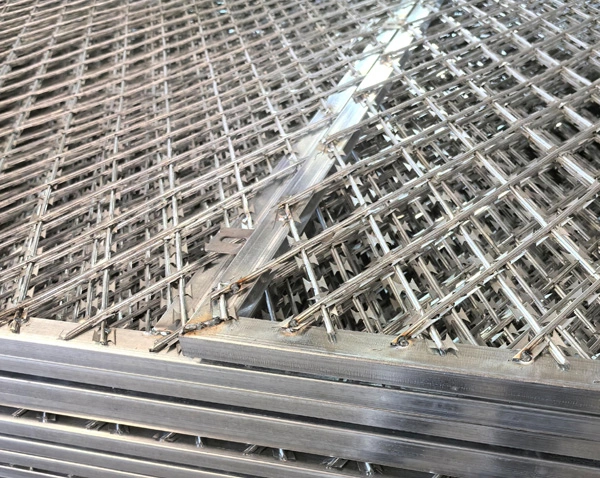
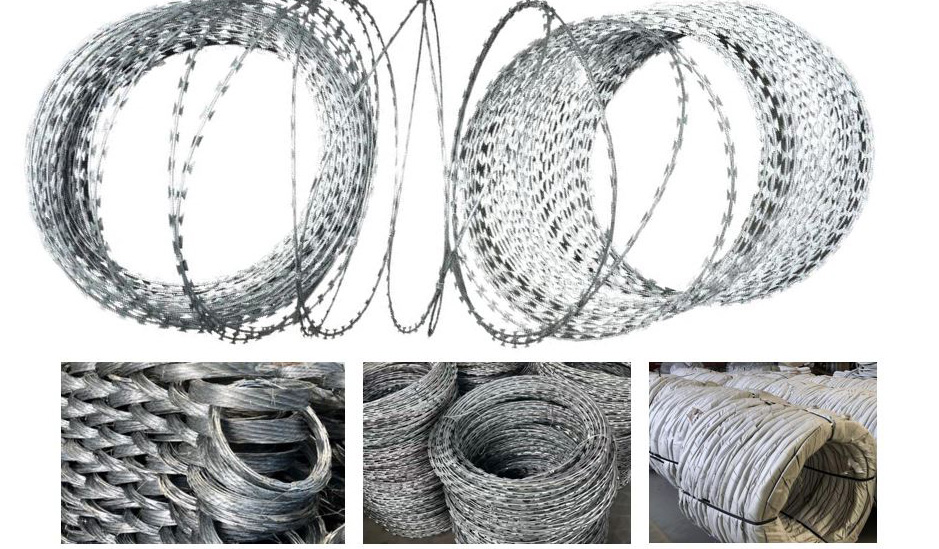
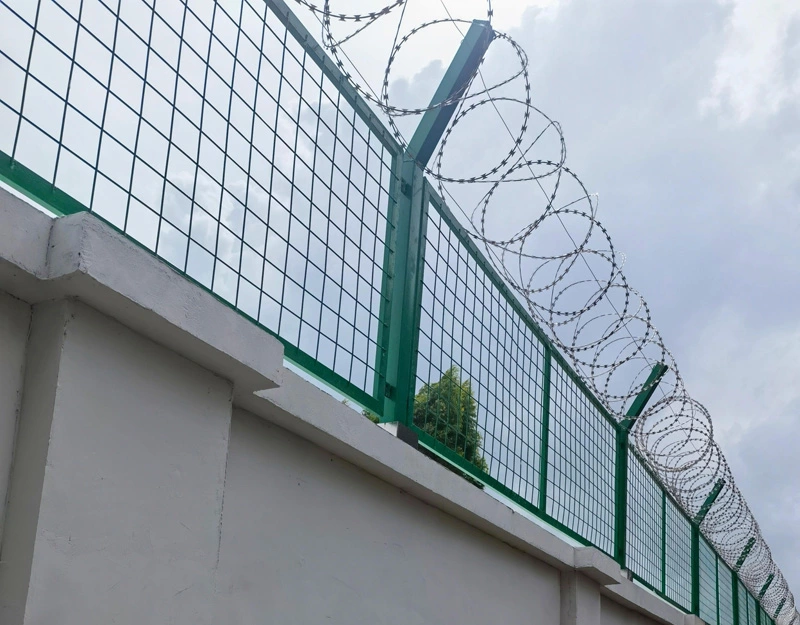
Sharp edge barriers, often referred to as anti-climb barriers or razor wire, are physical deterrents designed to prevent individuals from scaling fences or walls. These systems typically consist of high-tensile Steel Wires with sharp edges, which can be installed in various configurations such as coils, flat strips, or concertina rolls. The primary purpose of these barriers is to create a formidable obstacle that deters would-be intruders by increasing the difficulty and risk associated with attempting to breach a perimeter.
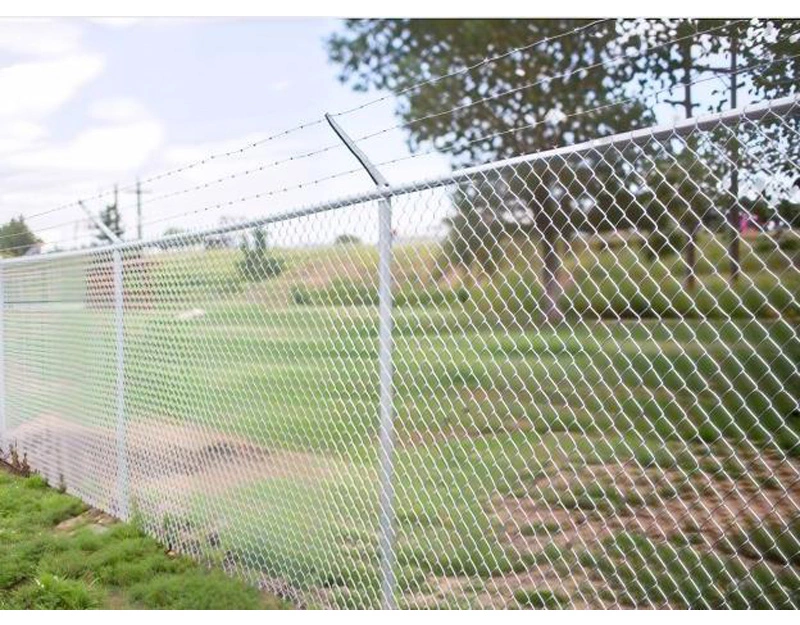
One of the key advantages of sharp edge barrier systems is their versatility. They can be easily integrated with existing fence structures or used as standalone barriers. Additionally, they offer a cost-effective solution compared to more technologically advanced options like electronic surveillance or biometric access control systems. However, it is important to note that while these barriers are highly effective at deterring casual intruders, they may not provide an absolute barrier against determined and well-equipped adversaries.
Deterrence is one of the most fundamental principles in perimeter security. The presence of a sharp edge barrier system serves as a visual and physical deterrent, making potential intruders think twice before attempting to breach a secured area. The psychological impact of seeing a line of razor-sharp wires can be significant, as it signals that the area is protected and that any attempt to enter will likely result in injury.
Moreover, the physical characteristics of these barriers—such as their sharpness and the way they are configured—make them difficult to climb or cut without specialized tools. This adds another layer of complexity for intruders, as they must not only overcome the barrier but also do so without causing harm to themselves. In many cases, this level of difficulty is enough to dissuade all but the most determined individuals.
It is worth noting that the effectiveness of deterrence can vary depending on the specific environment and the perceived value of the target. For example, a sharp edge barrier system may be highly effective in deterring casual trespassers in a residential area, but may be less effective in a high-security industrial facility where the potential rewards for breaching the perimeter are much higher. Therefore, it is essential to consider the specific threat landscape and tailor the security measures accordingly.
While sharp edge barrier systems are powerful tools in their own right, their true potential is realized when they are integrated with other security measures. A multi-layered approach to perimeter security involves combining physical barriers with electronic surveillance, access control, and human monitoring. This comprehensive strategy ensures that if one layer is breached, others remain in place to provide additional protection.
For instance, a sharp edge barrier system can be combined with CCTV cameras to monitor the perimeter continuously. If an intruder attempts to breach the barrier, the cameras can capture the incident and alert security personnel in real-time. Additionally, the use of intrusion detection systems, such as motion sensors or vibration detectors, can further enhance the security by providing immediate alerts when the barrier is disturbed.
Access control systems, such as gates and turnstiles, can also be integrated with sharp edge barriers to create controlled entry points. This ensures that only authorized personnel can enter the secured area, while the barrier system provides an additional layer of protection against unauthorized access. By combining these different elements, organizations can create a robust and resilient perimeter security system that is capable of addressing a wide range of threats.
Deploying a sharp edge barrier system requires careful planning and consideration of several factors. First and foremost, it is essential to assess the specific security needs and risks of the facility. This includes evaluating the type of potential intruders, the nature of the assets being protected, and the surrounding environment. Based on this assessment, the appropriate configuration and placement of the barrier system can be determined.
Additionally, it is crucial to ensure that the installation complies with local regulations and safety standards. Some jurisdictions have specific requirements regarding the use of sharp edge barriers, particularly in public areas where there is a risk of accidental injury to bystanders. It is also important to consider the aesthetic impact of the barrier system, as it may affect the overall appearance of the facility. In some cases, alternative designs or materials may be used to mitigate this concern.
Maintenance is another critical aspect of deploying a sharp edge barrier system. Over time, the wires may become damaged or corroded, reducing their effectiveness. Regular inspections and maintenance are necessary to ensure that the barrier remains in good condition and continues to provide the desired level of protection. This may include replacing damaged sections, tightening loose connections, and applying protective coatings to prevent corrosion. By maintaining the barrier system, organizations can ensure its long-term effectiveness and reliability.
Sharp edge barrier systems play a vital role in enhancing perimeter security by providing a physical and psychological deterrent to potential intruders. When integrated with other security measures, these barriers form a critical part of a multi-layered defense strategy. However, their deployment requires careful planning, compliance with regulations, and ongoing maintenance to ensure their effectiveness. By understanding the capabilities and limitations of sharp edge barrier systems, organizations can make informed decisions about their use and create a more secure and resilient perimeter.

Leave a Reply